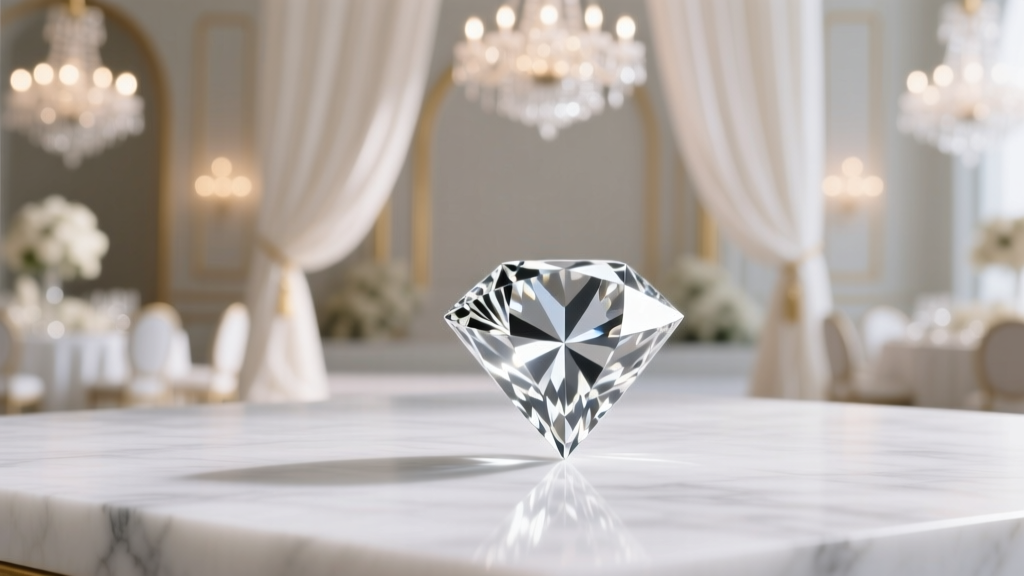
Trillion Cut Triangular Diamond Brilliance
The trillion cut diamond is one of the most eye-catching shapes in modern bridal jewelry. With its crisp triangular outline and razor-sharp sparkle, it delivers a look that feels both contemporary and timeless—especially when it’s paired with a classic round or oval center stone, or showcased as the star of the ring on its own.
For couples shopping for engagement rings and wedding bands, the trillion cut offers a unique advantage: it can make a ring appear larger and brighter for the carat weight, while adding clean geometry that photographs beautifully. If you love a sleek silhouette, strong lines, and a diamond that “pops” from across the room, the trillion cut deserves a serious look.
This guide breaks down how trillion cut triangular diamonds perform, what to look for in quality, which settings and metals flatter the shape best, and how to shop confidently—whether you’re choosing a dazzling three-stone engagement ring, a modern toi et moi design, or a refined wedding band with trillion accents.
What Is a Trillion Cut Diamond?
A trillion cut diamond (also written “trilliant”) is a triangular gemstone cut designed for maximum brilliance. Most trillion diamonds have three sides of equal length and either pointed corners or softly clipped tips. You’ll typically see them in two roles:
- Accent stones beside a center diamond (popular with round, oval, emerald, and cushion cuts)
- Center stones in modern engagement rings where the triangle shape becomes the main statement
Because the shape has a wide face-up spread, a well-cut trillion can look substantial even at modest carat weights. The tradeoff is that the corners are more exposed than on many shapes, so setting choice and craftsmanship matter.
Why Trillion Cut Diamonds Look So Brilliant
Light Return and “Edge-to-Edge” Sparkle
Trillion cuts are engineered to bounce light across broad, flat facets. When the cut is done well, you’ll notice sparkle that travels all the way to the corners—creating a bright, crisp look rather than a softer glow.
Face-Up Size: More Presence Per Carat
Triangular diamonds often appear larger than rounds of the same carat weight because of their spread. This makes them a smart choice for couples balancing budget and visual impact.
A Modern Shape That Still Feels Bridal
Geometric engagement rings are a major trend right now—especially clean solitaires, east-west settings, and mixed-shape stacks. Trillion diamonds fit right in, yet they’ve been used as classic side stones for decades, so they don’t feel “trendy-only.”
Trillion Cut vs Other Popular Diamond Shapes
Trillion vs Princess Cut
Both read as angular and modern, but a princess cut is square and tends to emphasize a structured, grid-like sparkle. Trillion cuts feel more directional and sleek, often making the finger look longer—especially when set with the point facing outward.
Trillion vs Pear Shape
Pears offer a soft teardrop silhouette with one point. Trillions have three corners, which gives a sharper, architectural look. If you love the idea of a point but want something less common than a pear engagement ring, trillion is a strong alternative.
Trillion as Side Stones vs Tapered Baguettes
Tapered baguettes are the go-to for understated elegance and “quiet luxury.” Trillion side stones add more brilliance and a bolder, more modern profile—excellent for couples who want sparkle and shape definition without going overly ornate.
Quality Factors: How to Choose a Great Trillion Diamond
Cut: Symmetry Is Everything
Cut quality is the biggest driver of brilliance in trillion diamonds. Look for:
- Even sides (balanced triangular outline)
- Sharp facet pattern that looks organized, not “mushy”
- Bright corners rather than dark, dead zones
- Excellent symmetry listed on a grading report when available
Because fancy shapes don’t receive the same universal cut grades as round brilliant diamonds, compare stones visually (videos help) and work with a jeweler who can show performance images or clear, consistent lighting.
Clarity: Choose Smart for a Sparkly Shape
Trillion cuts can hide small inclusions thanks to their faceting, but the broad top surface may show certain features near the center. As a practical sweet spot:
- Side stones: SI1–VS2 often looks clean in real life
- Center stones: VS2–VVS2 if you’re sensitive to inclusions, or SI1 if it’s confirmed eye-clean
Color: Match the Metal and the Center Stone
For a bright, icy look in platinum or white gold, many couples choose G–H color or higher, especially for center stones. If you’re pairing trillion side stones with a warmer center diamond (I–J) or using yellow/rose gold, you can often go slightly lower in color without noticing warmth.
Carat Weight and Proportions
Trillion diamonds are measured by carat and by millimeter size. Always compare millimeters, not just carat. A well-spread trillion can look larger than expected. Avoid overly shallow stones that can look glassy, and overly deep stones that hide weight without giving you face-up size.
Best Settings for Trillion Cut Diamonds
Three-Stone Engagement Rings
A classic pairing is a round brilliant center with two trillion side stones. The trillions act like “wings,” boosting sparkle and making the center look bigger. This style works beautifully as a timeless engagement ring, especially in platinum with clean prongs.
Trillion Solitaire: Modern and Minimal
A solitaire trillion engagement ring feels architectural and bold. Choose a setting that protects the corners—double claw prongs or a partial bezel can keep the look sleek while adding security.
Halo and Hidden Halo Styles
For extra sparkle, a halo can outline the triangle dramatically. A hidden halo is a current trend that keeps the top view clean while adding diamond detail under the center stone—great for couples who want modern glamour without an overly busy face.
Bezel and Half-Bezel for Protection
Trillion corners are vulnerable to chipping if left too exposed. A bezel (full or partial) is one of the most protective choices, ideal for active lifestyles or anyone who’s hard on their hands.
Metal Choices: What Complements the Triangle Shape?
- Platinum: Durable, naturally white, and excellent for securing sharp corners. A top pick for heirloom-quality engagement rings.
- 14K White Gold: Bright and popular, usually rhodium plated for extra whiteness. Great value, but plan for periodic replating.
- 18K Yellow Gold: Warm and classic; creates a beautiful contrast with a bright diamond. A timeless choice that also suits vintage-inspired settings.
- Rose Gold: Romantic and on-trend; pairs especially well with minimalist trillion solitaires or mixed-shape stacks.
If your ring includes trillion side stones, ask your jeweler to match metalwork and prong style to the overall design. Clean, precise craftsmanship is what makes geometric cuts look intentional rather than harsh.
Wedding Bands That Pair Beautifully with Trillion Engagement Rings
Because the trillion silhouette can be wide at the top, band pairing deserves a little planning. Popular options include:
- Contoured wedding band: Curves around the engagement ring for a flush fit
- Chevron (V-shaped) band: Mirrors the triangular geometry and looks modern
- Simple polished band: A timeless classic that keeps attention on the center diamond
- Pavé diamond band: Adds sparkle, but ensure it doesn’t rub prongs or corners
If you want a perfectly seamless stack, consider buying the engagement ring and wedding band together or confirming measurements with the same jeweler.
Practical Buying Tips for Trillion Cut Diamonds
- Prioritize corner protection: Ask specifically how the setting shields the three tips.
- Inspect for symmetry: Uneven sides or misaligned points are noticeable in a triangle.
- Compare stones in motion: Video reveals dark bow-tie-like zones and corner brightness.
- Ask about certification: For center stones, a reputable grading report (like GIA) adds confidence. For side stones, matching and calibration are key.
- Match side stones carefully: In a three-stone ring, the trillions should match in size, color, and sparkle pattern.
Care and Maintenance: Keeping Trillion Diamonds Brilliant
Cleaning at Home
For routine cleaning, use warm water, mild dish soap, and a soft toothbrush. Gently brush under the stone and around prongs where lotion and soap residue collect, then rinse and pat dry with a lint-free cloth.
Professional Checkups
Have a jeweler check prongs and corner security every 6–12 months. This is especially wise for trillion cuts because corners can snag, and prongs can loosen with daily wear.
Smart Wearing Habits
- Remove your ring for heavy lifting, gym workouts, gardening, and cleaning chemicals.
- Store it in a fabric-lined box or separate pouch to prevent the corners from scratching other jewelry.
Price Range and Value Tips
Trillion cut diamond pricing varies widely based on whether the stone is a center diamond or accent stones, and on the 4Cs (cut, color, clarity, carat). As a general guide:
- Trillion side stones: Often priced as part of the setting; matched pairs and fine calibration can raise cost.
- Trillion center stones: Typically cost less per carat than round brilliants, which can stretch your budget.
Value-focused strategies that still look luxurious:
- Choose the best cut/symmetry you can, then compromise slightly on color (especially in yellow or rose gold).
- Look for eye-clean clarity rather than paying for ultra-high grades you won’t see.
- Consider 14K gold for an excellent balance of durability and price, or platinum if you prioritize longevity and prong strength.
Common Mistakes to Avoid
- Ignoring corner security: A beautiful trillion can chip if corners aren’t protected by prongs or a bezel.
- Buying by carat weight alone: Always compare millimeter dimensions for true visual size.
- Mismatched side stones: In three-stone rings, slight differences in color or shape jump out quickly.
- Overly delicate prongs: Minimal metal can look elegant, but it must be structurally sound for daily wear.
- Forgetting band pairing: Some trillion settings need a contoured band; plan your wedding band stack early.
FAQ: Trillion Cut Triangular Diamonds
Are trillion cut diamonds good for engagement rings?
Yes. They’re striking, brilliant, and feel modern while still reading as classic bridal jewelry. The key is choosing a setting that protects the corners and a stone with strong symmetry and light performance.
Do trillion diamonds chip easily?
Any diamond can chip if struck at a vulnerable point. Trillion cuts have three corners that deserve protection. A well-made setting with secure prongs or a bezel greatly reduces risk for everyday wear.
What wedding band works best with a trillion engagement ring?
Many couples love chevron (V-shaped) bands, contoured bands for a flush fit, or a simple classic band for a clean, timeless stack. The best choice depends on how wide the engagement ring is at the base and whether the center sits low or high.
Is a trillion cut more affordable than a round diamond?
Often, yes—especially as a center stone—because round brilliants typically command the highest price per carat. Trillion cuts can offer excellent visual size and sparkle for the budget, depending on quality and demand.
Can trillion diamonds be used in wedding bands?
Absolutely. Trillion accents in wedding bands create a crisp, geometric look. Channel or bezel styles can add extra protection, which is helpful for bands worn every day.
Which metal is best for a trillion diamond ring?
Platinum and 14K/18K gold are all great options. Platinum is especially strong for prongs and long-term wear. Yellow and rose gold can make slightly warmer diamonds look whiter by contrast, while white gold emphasizes an icy, bright look.
Your Next Step: Choosing the Right Trillion Ring with Confidence
If you want an engagement ring that feels distinctive without sacrificing brilliance, the trillion cut is a standout choice—especially in a three-stone design or a sleek, corner-protected solitaire. Focus on symmetry, corner security, and a metal/setting combination that fits your lifestyle, and you’ll end up with a ring that looks sharp, sparkles hard, and wears beautifully for decades.
For more guidance on diamond shapes, wedding bands, settings, and metal types, explore the jewelry guides on weddingsift.com and keep narrowing your choices until the ring feels unmistakably yours.
More Articles
 Men's Wedding Band Fit: The 5-Second Finger Test (2026)
 How to Start Engagement: A Practical, Step-by-Step Guide for Jewelry Makers and Couples
 How to Resize a Silicone Wedding Band Safely
 Ring Returns Made Simple: No Fees, No Hassle
 Wedding Ring Cleaning: Metal, Lifestyle & Wear (2026)
 Wedding Band vs Ring: What's the Difference?
 How to Wear Your Wedding Band Set (2026)
 How to Restore an Old Family Engagement Ring
 Wedding Ring Fit: 5-Second Test & 3 Red Flags (2026)
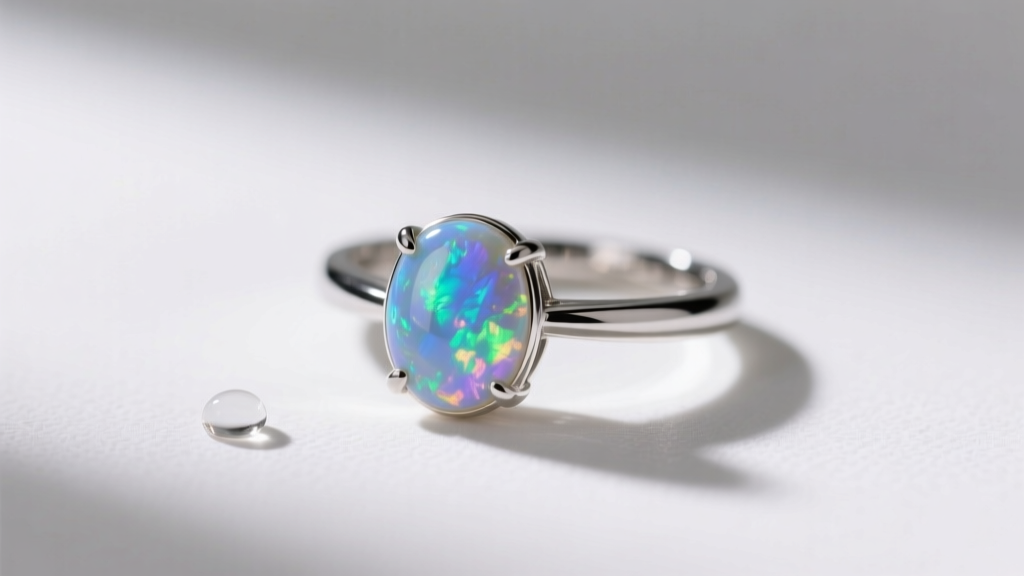 Opal Engagement Rings Unique Beauty and Fragility