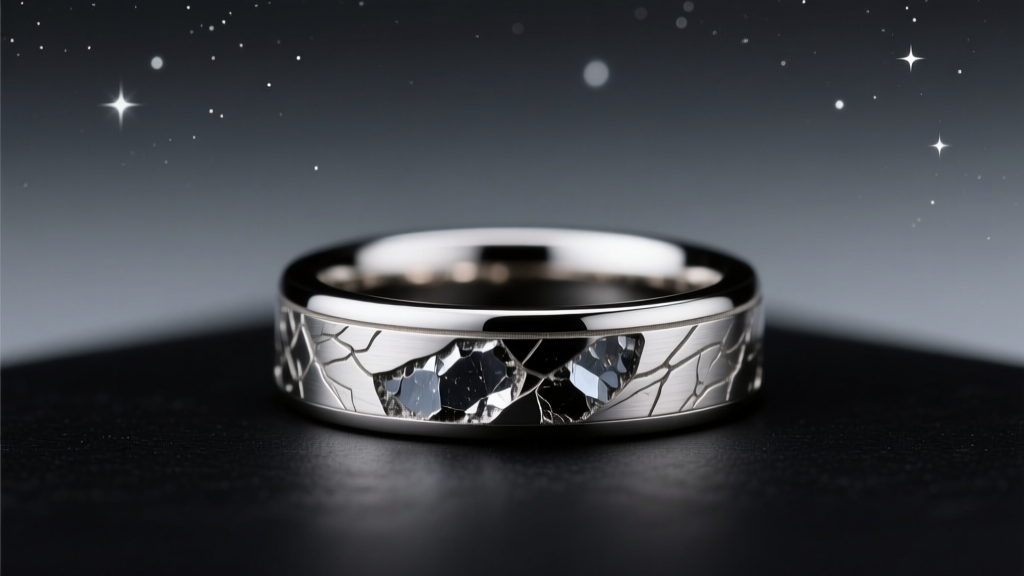
Meteorite Wedding Bands Out-of-This-World Material
Wedding bands are small pieces of jewelry with big expectations. They need to look beautiful, feel comfortable every day, and hold up to decades of wear—while still feeling personal. If you’re a couple who wants a ring that’s more than “classic but common,” meteorite wedding bands offer a rare balance of meaning, texture, and modern style.
Meteorite jewelry isn’t a novelty material when it’s done well. In the hands of a skilled craftsman, meteorite creates naturally occurring patterns you can’t fake, giving each band a one-of-a-kind fingerprint. The result is a wedding ring that feels timeless like a metal band, yet unmistakably unique—especially popular right now for grooms’ bands, gender-neutral bands, and matching his-and-hers sets with a subtle cosmic twist.
Below is a practical guide to meteorite wedding bands: what they’re made of, how they’re built, what affects quality and price, how to care for them, and the mistakes couples make when shopping.
What Is a Meteorite Wedding Band, Exactly?
A meteorite wedding band is a ring that incorporates genuine meteorite—most often iron-nickel meteorite—either as the main inlay, an outer sleeve, or a visible patterned section within a protective metal frame. The defining feature is the natural crystalline pattern commonly called a Widmanstätten pattern: interlocking lines that form over millions of years as the meteorite cools in space.
Because meteorite is an iron-based material, it behaves differently than precious metals. That’s why quality construction matters. The best meteorite wedding rings are designed to preserve the look of the meteorite while protecting it from moisture and everyday knocks.
Why Couples Choose Meteorite: Meaning, Style, and Individuality
A Symbol That Feels Personal
Many couples love meteorite bands because they represent rarity, endurance, and a story that predates us all. It’s a romantic symbolism without being overly literal—perfect if you want something meaningful but not overly ornate.
A Distinctive Look That Still Reads “Wedding Band”
Meteorite can look sleek and understated in a brushed finish, or bold and high-contrast when etched and darkened. It pairs beautifully with contemporary silhouettes (flat profiles, beveled edges) and also works surprisingly well in classic shapes like a softly rounded comfort-fit band.
On-Trend Without Feeling Trendy
Current wedding ring trends lean toward mixed materials, matte textures, and personalized details. Meteorite checks all three boxes. At the same time, a simple meteorite inlay set into a classic metal band remains timeless—especially in yellow gold or platinum.
Types of Meteorite Used in Wedding Rings
Iron Meteorite (Most Common)
Most meteorite wedding bands use iron-nickel meteorite, prized for its strong Widmanstätten pattern. It’s typically stabilized and etched to bring out the pattern. This is the “classic” meteorite look you see in most men’s wedding bands.
Gibeon Meteorite and Supply Notes
Gibeon meteorite was historically popular for jewelry due to its consistent pattern and workability. However, supply and sourcing have tightened in recent years, and some regions restrict collection and export. Reputable jewelers will disclose sourcing and use legally obtained stock.
Stabilized vs. Unstabilized Meteorite
Stabilized meteorite has been treated (often with resin or sealants) to improve moisture resistance. Unstabilized meteorite can be more vulnerable to oxidation. For daily wear, stabilized meteorite or a design that fully protects the meteorite is usually the smarter choice.
Design Styles: Inlays, Sleeves, and Mixed-Metal Bands
Meteorite Inlay Bands (Most Popular)
An inlay band features a channel of meteorite set into a base metal such as tungsten carbide, titanium, cobalt chrome, sterling silver, platinum, or gold. The meteorite can be centered, offset, or paired with other inlays like whiskey barrel wood or dinosaur bone (another niche trend).
Full Meteorite Bands
All-meteorite bands exist, but they’re less common for everyday wear because meteorite is not as forgiving as traditional jewelry metals. If you love the idea, look for protective coatings and be realistic about maintenance.
Two-Tone and Mixed Materials
Two-tone wedding bands remain a classic, and meteorite makes an eye-catching “second tone.” Popular combinations include:
- Meteorite + yellow gold: warm, traditional, and high contrast
- Meteorite + white gold or platinum: sleek, refined, and timeless
- Meteorite + rose gold: modern-romantic and softer contrast
- Meteorite + tungsten: masculine, durable feel with a contemporary edge
Edge Profiles and Finishes
Small details change the vibe dramatically:
- Comfort-fit interior: rounded inside edges for daily wear (highly recommended)
- Flat profile: crisp, modern silhouette
- Beveled edges: angular, sporty, popular in men’s wedding bands
- Brushed/matte finish: hides scratches better than high polish
- Polished finish: bright, dressy, but shows wear more quickly
Adding Gemstones: Diamonds and Alternative Stones
Meteorite bands can be entirely metal-forward, but gemstones add sparkle and personalization. If you want stones, focus on setting security and durability.
Diamond Accents (Timeless and Practical)
Diamonds are the most common choice because they handle daily wear well. Look for:
- Round brilliant melee for classic sparkle
- Princess-cut accents for sharper, modern lines
- Channel settings for protection and a smooth profile
- Flush/bezel settings for maximum security and a low snag risk
Moissanite and Sapphires (Modern Favorites)
Moissanite offers high brilliance and great value, especially for accent stones. Sapphire—particularly deep blue, black, or white—pairs beautifully with meteorite and feels both current and classic. Avoid softer stones (like opal) in a daily-wear band unless you’re okay with extra care and potential replacement.
Quality Factors: What Separates a Great Meteorite Ring from a Risky One
Sealing and Corrosion Protection
The number one concern with meteorite is oxidation (rust). Quality rings use protective coatings and designs that shield exposed meteorite edges. Ask what method is used: resin stabilization, clear coating, or a fully enclosed inlay channel.
Craftsmanship of the Inlay and Fit
Look closely at the inlay edges: clean, tight seams with no gaps. Poorly fitted inlays can trap moisture or lift over time. Also prioritize a precise finger size—meteorite rings are not always easy to resize depending on the construction.
Base Metal Choice (Durability and Resizing)
- Platinum: premium, durable, naturally white, resizable; excellent for heirloom quality
- 14K/18K gold: classic, resizable, warm color options; softer than platinum
- Tungsten carbide: very scratch resistant; typically not resizable
- Titanium: lightweight, comfortable; limited resizing
- Cobalt chrome: bright white look; some styles can be resized
Pattern Visibility and Etching Quality
The Widmanstätten pattern should be clearly visible, not muddy or overly uniform. Better rings have balanced contrast—enough to show the meteorite’s geometry without looking artificially dark.
Care and Maintenance: Keeping Meteorite Looking Sharp
- Keep it dry: Remove your ring for swimming, hot tubs, and long showers when possible. Water exposure isn’t always catastrophic, but it increases risk over time.
- Avoid harsh chemicals: Chlorine, bleach, and strong cleaners can damage coatings and metals.
- Store smart: When not wearing, keep it in a dry jewelry box or pouch, away from humid bathroom counters.
- Wipe after wear: A soft microfiber cloth removes skin oils and moisture.
- Re-coating and servicing: If the meteorite looks dull or shows discoloration, a jeweler can often re-etch or re-seal it depending on the design.
Price Range and Value Tips
Meteorite wedding bands span a wide range, depending on the base metal, craftsmanship, and gemstone additions:
- Budget-friendly ($150–$500): typically tungsten or titanium with meteorite inlay; great style value, but usually not resizable
- Mid-range ($500–$1,500): higher-quality inlays, better coatings, comfort fit; may include small diamond accents
- Premium ($1,500–$4,000+): platinum or gold with meteorite, custom work, larger diamonds or matched bridal sets; best for heirloom longevity
Value tips couples overlook:
- Prioritize construction over “more meteorite”: A protected inlay often outlasts a full meteorite band.
- Choose a finish that matches your lifestyle: Brushed and satin finishes hide daily wear better than mirror polish.
- Think about resizing before you buy: If your size fluctuates or you want an heirloom ring, gold or platinum bases are usually more flexible.
Common Mistakes to Avoid When Shopping
- Assuming meteorite is maintenance-free: It’s not difficult to care for, but it does need basic moisture awareness.
- Buying without asking about sealing/stabilization: “Meteorite” alone doesn’t tell you how it’s protected.
- Picking a non-resizable metal without confirming size: Get sized properly, ideally at the end of the day when fingers are slightly larger.
- Choosing high-profile gemstone settings for active lifestyles: Tall prongs snag; consider flush, bezel, or channel settings.
- Overlooking comfort-fit interiors: For a daily-wear wedding ring, comfort fit often feels noticeably better.
FAQ: Meteorite Wedding Bands
Do meteorite wedding bands rust?
They can. Iron-based meteorite may oxidize if exposed to moisture and chemicals over time. Quality rings reduce this risk through stabilization, protective coatings, and enclosed inlay designs. Basic care—keeping the ring dry and clean—goes a long way.
Are meteorite rings durable enough for everyday wear?
Yes, when designed properly. A meteorite inlay protected by a durable base metal (like platinum, gold, tungsten, or titanium) is usually a strong everyday choice. Full meteorite bands require more careful maintenance.
Can a meteorite wedding band be resized?
It depends on the base metal and construction. Gold and platinum bands are often resizable, though inlays can complicate resizing. Tungsten rings are typically not resizable. Always confirm resizing options before purchasing.
Will the meteorite pattern fade over time?
The pattern itself is part of the material, but its contrast can dull if the surface coating wears or if oxidation begins. Many rings can be serviced with re-etching and re-sealing to restore the crisp look.
Do meteorite bands work with engagement rings?
They can, especially in matching bridal sets or as a coordinating band for a solitaire engagement ring. If you’re stacking rings, consider a low-profile band and check that edges won’t scratch softer metals.
What metal pairs best with meteorite: gold, platinum, tungsten, or titanium?
For heirloom quality and easy servicing, platinum and gold are top choices. For a modern, scratch-resistant feel at a lower price, tungsten is popular. Titanium is lightweight and comfortable, but has limited resizing. The “best” choice depends on your budget, lifestyle, and whether you want future resizing.
Next Steps: Choosing the Right Meteorite Band for Your Love Story
If you want a wedding band that feels distinctive without sacrificing wearability, a meteorite inlay ring in a durable, well-finished base metal is a smart place to start. Aim for comfort fit, a protective construction, and a finish that matches your day-to-day life. If you love sparkle, keep gemstones secure with channel, bezel, or flush settings and choose durable stones like diamonds, moissanite, or sapphires.
Explore more wedding band and engagement ring guides on weddingsift.com to compare metals, settings, stone options, and the latest jewelry trends—so you can choose a ring you’ll love wearing every day.
More Articles
 How to Choose an Engagement Ring With a Cathedral Shank
 Anniversary Gifts by Year: Traditional and Modern Guide
 24K Gold Wedding Band Value: What It’s Really Worth
 Cobalt Wedding Bands: Truth, Safety & Sizing (2026)
 How to Negotiate the Price of an Engagement Ring
 Wedding Set Order: How to Stack Rings Correctly (2026)
 How to Shop for Engagement Rings Online Safely
 Wedding Shower Gifts: What to Bring & How Much to Spend
 How to Choose a Wedding Band With Hidden Details
 What Is a 10K Gold Wedding Band Worth? (2026)