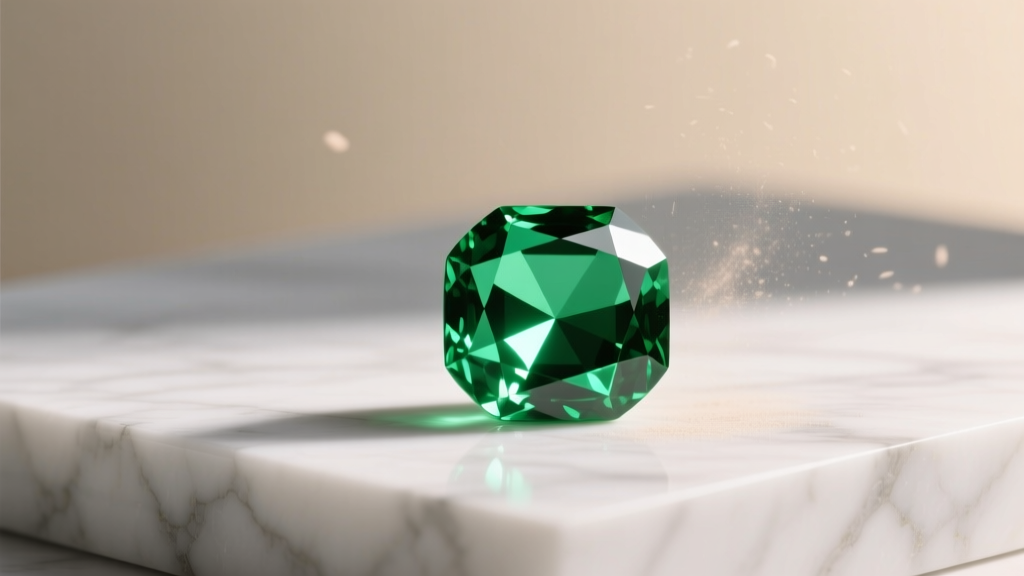
Tsavorite Garnet Vivid Green Gemstone Alternative
If you’re drawn to green gemstones but want something brighter, rarer, and more distinctive than the usual options, tsavorite garnet deserves a serious look. Known for its electric, emerald-like color, tsavorite has become a sought-after center stone for engagement rings and a standout accent for wedding bands. It delivers the kind of saturated green that photographs beautifully, looks lively in both daylight and candlelight, and feels undeniably special.
Couples today are also shopping with new priorities: ethical sourcing, durability for everyday wear, and a ring that doesn’t look like everyone else’s. Tsavorite checks many of those boxes. It’s a genuine, naturally occurring gemstone with impressive brilliance and fewer of the “treatment” concerns that follow some other green stones. If you want a vivid green engagement ring that feels modern yet timeless, this guide will walk you through how tsavorite compares, how to choose quality, what settings work best, and how to shop smart.
What Is Tsavorite Garnet?
Tsavorite is a green variety of grossular garnet, first discovered in the late 1960s near the Kenya–Tanzania border. The name comes from Kenya’s Tsavo region, and top-quality tsavorites are prized for their rich green hue and bright sparkle.
Why Tsavorite Looks So Bright
Many green gems can look “sleepy” or dark when set in a ring. Tsavorite tends to look lively because it has:
- High refractive index (strong light return for noticeable brilliance)
- Typically strong saturation that reads vividly even in smaller sizes
- Minimal windowing when well cut (less see-through effect in the center)
Tsavorite vs. Emerald, Green Sapphire, and Other Green Gemstones
Tsavorite often comes up when couples want an emerald look without emerald’s fragility. Here’s how it stacks up against popular green gemstone alternatives for engagement rings.
Tsavorite vs. Emerald
- Durability: Emerald is a beryl (Mohs 7.5–8) but typically has inclusions and fissures that make it more prone to chipping. Tsavorite is Mohs 7–7.5 and often cleaner, which helps in real-world wear.
- Treatments: Many emeralds are oiled or resin-filled to improve clarity. Tsavorite is commonly untreated, which appeals to couples seeking a more “what you see is what you get” stone.
- Look: Emerald can have a softer glow; tsavorite often has a more brilliant, “sparkly” appearance due to different optical properties and cutting styles.
Tsavorite vs. Green Sapphire
- Hardness: Sapphire (Mohs 9) wins for scratch resistance.
- Color: Green sapphires can run darker, grayer, or more teal. Tsavorite is known for a vivid true green, sometimes with a slightly yellowish or bluish modifier.
- Value: Fine tsavorite can be expensive, but it often offers strong color impact per carat, especially compared with premium vivid green sapphires.
Tsavorite vs. Green Tourmaline (Verdelite)
- Durability: Tourmaline is Mohs 7–7.5, similar to tsavorite, but tourmaline can be more prone to abrasion depending on wear and cut.
- Brilliance: Tsavorite generally appears brighter and “crisper” in sparkle.
Tsavorite vs. Peridot
- Color range: Peridot is typically yellow-green; tsavorite can achieve deeper forest and vivid emerald greens.
- Everyday wear: Peridot (Mohs 6.5–7) is more susceptible to scratching and can be a higher-maintenance choice for an engagement ring.
Quality Factors: How to Choose a Beautiful Tsavorite
When you shop for a tsavorite engagement ring, focus on the same essentials jewelers use: color, clarity, cut, carat weight, and craftsmanship. With tsavorite, color and cut are the biggest dealmakers.
Color: The Main Value Driver
Top tsavorite color is a saturated, vivid green—often described as “emerald green” with bright life. Look for:
- Strong saturation (not pale or washed out)
- Balanced tone (not so dark that it reads nearly black indoors)
- Pleasing hue (pure green, or green with a slight blue or yellow modifier—choose what flatters your taste and skin tone)
Tip: Ask to view the stone in multiple lighting conditions. A tsavorite that looks great only under spotlights may be too dark for everyday wear.
Clarity: Cleaner Than You Might Expect
Tsavorite is often eye-clean, especially in smaller sizes. Minor inclusions are normal in natural gemstones, but avoid stones with obvious surface-reaching fractures or large inclusions that interrupt brilliance.
Cut: The Secret to Sparkle
A well-cut tsavorite should look bright edge-to-edge without a “window” (a see-through center). Popular cuts for engagement rings include:
- Round brilliant for maximum sparkle and durability
- Oval for finger coverage and a classic-yet-trendy look
- Cushion for a softer, romantic silhouette
- Emerald cut for sleek geometry—best with higher clarity and strong color
- Pear for a modern statement and flattering elongation
Carat Weight: Rarity Increases with Size
Fine tsavorite becomes rarer as sizes increase. Many center stones fall in the 0.50–1.50 carat range, with larger stones commanding a steep premium. If you want a bigger look, consider an oval or pear shape, or choose a halo setting for added presence.
Best Ring Settings and Metal Choices for Tsavorite
Tsavorite works beautifully in both timeless engagement ring styles and current trends—especially when paired with thoughtful metal choices and protective settings.
Settings That Suit Everyday Wear
- Prong settings (4 or 6 prongs): Classic, bright, and easy to clean. Six prongs add security, especially for round stones.
- Bezel settings: A top trend for modern engagement rings. Bezels protect edges and corners—great for active lifestyles.
- Halo settings: Timeless and still popular, especially with a tsavorite center and diamond halo for high contrast and extra sparkle.
- Three-stone rings: A classic with meaning. Pair tsavorite with diamonds or colorless lab-grown diamonds for a balanced look.
Metal Pairings: Platinum, White Gold, Yellow Gold, Rose Gold
- Platinum: Strong, hypoallergenic, and naturally white. Ideal for securing prongs and a high-end feel.
- 14K/18K white gold: Bright and contemporary; rhodium plating boosts whiteness. A popular match for diamond accents.
- Yellow gold: Creates a vintage-meets-modern contrast that makes the green pop. Beautiful for classic solitaire engagement rings.
- Rose gold: Romantic and trendy. Works best with slightly cooler green tsavorites for balanced color contrast.
Care and Maintenance for Tsavorite Engagement Rings
Tsavorite is suitable for daily wear with sensible care. Treat it like a fine gemstone—not fragile, but not indestructible.
Safe Cleaning at Home
- Use warm water, mild dish soap, and a soft toothbrush.
- Rinse well and dry with a lint-free cloth.
- Clean behind the stone where lotions and soaps collect—this restores sparkle.
What to Avoid
- Harsh chemicals (chlorine, bleach) that can damage metal and dull finishes.
- Ultrasonic cleaners unless your jeweler confirms the stone is safe and securely set.
- Rough wear during weightlifting, gardening, or mechanical work—remove the ring to protect both gemstone and setting.
Professional Checkups
Have prongs and settings checked every 6–12 months, especially for prong-set rings or bands with pavé diamonds. A quick inspection can prevent stone loss.
Price Range and Value Tips
Tsavorite pricing depends heavily on color, cut quality, and size. As a general guide:
- 0.25–0.75 ct: Often the best value for vivid color; excellent for minimalist solitaires or side stones in wedding bands.
- 0.75–1.50 ct: Popular engagement ring center-stone range; prices rise quickly with fine color and strong cut.
- 2.00 ct+: Rare in top quality; expect premium pricing and be extra selective about cut and tone.
How to Maximize Value
- Prioritize color over carat weight; a smaller vivid stone often looks more luxurious than a larger dull one.
- Choose shapes that face up large (oval, pear) if you want more finger coverage.
- Consider a halo to amplify visual size without paying for a much larger center stone.
- Ask about treatments and origin disclosure; untreated stones with documented information can hold stronger long-term appeal.
Common Mistakes to Avoid When Shopping
- Buying a stone that’s too dark: Some tsavorites look green-black indoors. Insist on photos/videos in different lighting.
- Ignoring cut quality: A poorly cut stone can look glassy or show a window. Sparkle is a cut issue as much as a gem issue.
- Choosing a delicate setting for daily wear: Ultra-thin bands and minimal prongs can bend over time. Aim for a balanced design and solid craftsmanship.
- Not planning for a wedding band fit: Large halos and low-set baskets may block a flush band. Ask about a matched contour band or design adjustments.
- Skipping verification: For a meaningful purchase like an engagement ring, request a receipt with gemstone identity, carat weight, and metal details; consider independent appraisal for larger stones.
FAQ: Tsavorite Garnet Engagement Rings
Is tsavorite garnet durable enough for an engagement ring?
Yes—tsavorite (Mohs 7–7.5) is commonly worn in rings. Choose a protective setting (bezel or secure prongs), avoid hard knocks, and get the setting checked regularly.
Does tsavorite look like emerald?
High-quality tsavorite can resemble emerald in color, but it typically has more brilliance and a “sparkly” look. Emerald often shows more inclusions and a softer glow.
Is tsavorite a birthstone or does it have symbolism?
Garnet is the traditional birthstone for January and is often associated with commitment, vitality, and protection—fitting symbolism for engagement rings and wedding jewelry.
What metal looks best with tsavorite?
Platinum and white gold emphasize a crisp, modern green. Yellow gold creates a classic contrast that can make the gemstone appear even richer. The “best” choice depends on your style and whether your wedding band will match.
Can tsavorite be used in wedding bands?
Yes. Tsavorite is beautiful in eternity bands, half-eternity bands, and pavé designs—especially paired with diamonds. For daily wear, consider protective shared-prong or bezel-set styles and plan for periodic maintenance.
How can I tell if a tsavorite is good quality online?
Look for clear disclosure (carat weight, measurements, treatments if any), close-up videos in neutral lighting, and return options. Ask whether the stone is eye-clean and whether the cut shows windowing.
A Confident Way to Choose Vivid Green for Life
If you want a vivid green engagement ring that stands out from traditional diamond solitaires while still feeling timeless, tsavorite garnet is one of the strongest gemstone alternatives available. It offers saturated color, lively brilliance, and a refined look in everything from classic prong-set solitaires to modern bezel settings and vintage-inspired halos. Focus on vivid color, a bright cut, and sturdy craftsmanship in platinum or gold, and you’ll have a ring that wears beautifully from proposal to anniversary.
For more help comparing green gemstones, choosing the right wedding band pairing, and understanding ring settings and metal types, explore more jewelry guides on weddingsift.com.
More Articles
 Spinel Engagement Rings Underrated Gemstone Beauty
 Wedding Band Matching: 7-Step Visual Guide (2026)
 Wedding Band Order: Top or Bottom? (2026)
 What Are Wedding Bands Made Of? (2026)
 How to Choose a Wedding Band With a Milgrain Edge
 Clean Wedding Band at Home: 5 Safe, Pro Methods (2026)
 Do Wedding Rings Get Scratched? (2026)
 Black Wedding Bands: Why They’re Surging in 2026
 Emerald Cut Diamonds Step Cut Elegance
 Men's Wedding Band Weight: Real-World Sizing Guide (2026)