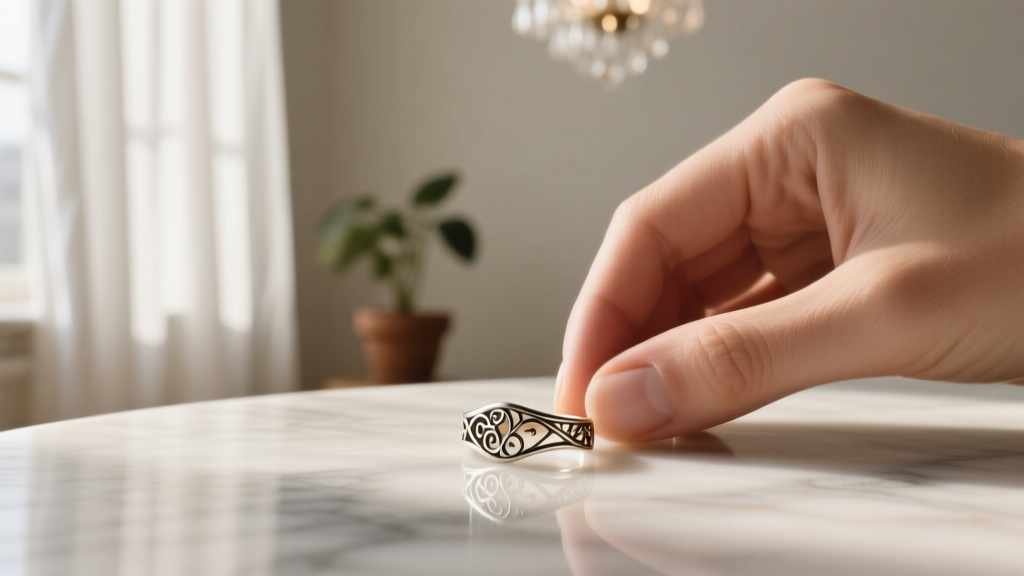
How to Choose an Engagement Ring With a Unique Band
A diamond (or gemstone) may be the first thing you notice in an engagement ring, but the band is what you live with every day. It frames the center stone, affects comfort, determines how your wedding band will sit, and often tells the most personal story. A unique band can turn a classic solitaire into something unmistakably “you,” without sacrificing wearability or long-term value.
Right now, couples are balancing two priorities: they want a ring that feels original, but they also want a piece that won’t look dated in five years—or snag on everything in sight. The good news is that “unique” doesn’t have to mean impractical. With the right metal, setting style, and craftsmanship, a distinctive band can be just as durable and timeless as a traditional one.
This guide breaks down popular unique band styles, how to choose the best metal and settings for your lifestyle, what quality markers matter most, and how to budget wisely. You’ll also find care tips, common shopping mistakes, and a practical FAQ for couples trying to coordinate engagement rings and wedding bands.
What Makes a Band “Unique” (and Why It Matters)
A unique engagement ring band usually stands out through one or more design elements:
- Shape: twisted, bypass, split shank, chevron, sculptural curves
- Texture: hammered finish, brushed satin, milgrain, hand engraving
- Stone detail: pavé diamonds, hidden halos, side stones, colored gemstone accents
- Craftsmanship: intricate gallery work, hand-forged details, bespoke proportions
Beyond aesthetics, band design influences durability, maintenance, and how the ring stacks with a wedding band. If you plan on wearing a bridal set daily, choosing a unique band that still pairs cleanly with a wedding ring will save you time and expense later.
Popular Unique Band Styles: Trends and Timeless Options
Twisted, Rope, and Intertwined Bands
Twisted bands (often called “infinity” or “rope” styles) are a major trend because they add movement without overpowering the center stone. Look for rounded edges for comfort, and confirm the twist isn’t so deep that it traps dirt. These bands pair beautifully with round brilliant, oval, and pear-shaped centers.
Split Shank Bands
A split shank divides the band as it approaches the center setting, creating a more dramatic, airy look. It can also make a center stone appear larger. For longevity, ensure the split reconnects in a substantial way and that pavé (if present) uses secure prongs or bead setting rather than overly shallow micro-pavé.
Knife-Edge Bands (Modern Classic)
Knife-edge bands have a crisp ridge down the center, giving a refined architectural look. They’re “quietly unique” and tend to feel timeless. Comfort varies—some people love the clean line, others prefer a softer profile. Ask to try on a knife-edge in different widths (around 1.8–2.5mm is common) to find your sweet spot.
Chevron and Contoured Bands
Chevron shapes and contoured silhouettes are popular for stacking and for creating a fashion-forward profile. If you’re drawn to a V-shape band, consider how it will sit next to a wedding band. Many couples choose a matching chevron wedding band or a custom contour band to nest smoothly.
East-West Settings and Elongated Looks
An “east-west” setting turns an oval, marquise, or emerald cut sideways across the finger. This is a current favorite for couples who want something different but still elegant. It can feel more streamlined and can reduce snagging compared to taller settings, depending on how the basket is built.
Vintage-Inspired Details: Milgrain and Hand Engraving
Milgrain (tiny beaded edging) and floral or scroll engraving create heirloom character. These details are timeless when done with clean proportions. Choose crisp, well-defined engraving and ask whether it’s hand-engraved or cast. Hand engraving typically has more depth and longevity, but it costs more.
Mixed Metals and Two-Tone Bands
Two-tone engagement rings—like a platinum head with a yellow gold band—are having a moment because they’re practical and versatile. Platinum prongs are strong for securing diamonds, while yellow or rose gold adds warmth. Two-tone also makes it easier to match different wedding bands or future anniversary bands.
Choosing the Right Metal for a Unique Band
Unique bands often include fine details (twists, engraving, pavé). The metal you choose affects how well those details hold up.
Platinum
- Best for: durability, secure prongs, daily wear
- Look: naturally white, develops a soft patina over time
- Consider: higher price; patina can be polished if you prefer shine
14K and 18K Gold (Yellow, White, Rose)
- 14K gold: excellent strength for detailed bands and pavé; great value
- 18K gold: richer color, slightly softer; better for simpler designs or thicker bands
- White gold: typically rhodium-plated for a bright white finish; may need re-plating every 1–3 years depending on wear
- Rose gold: warm tone, generally durable due to copper content; flattering with morganite, champagne diamonds, or halos
Alternative Metals (Titanium, Tungsten, Stainless Steel)
These metals are more common in men’s wedding bands than engagement rings. They can be budget-friendly and tough, but resizing is often difficult or impossible. If your unique band design involves pavé, prongs, or intricate settings, traditional precious metals are usually the safer choice.
Gemstones, Cuts, and Settings That Work Best with Unique Bands
Center Stone Choices: Diamond and Popular Alternatives
- Natural diamonds: classic and widely available; ideal if you value traditional rarity
- Lab-grown diamonds: same optical and physical properties as natural diamonds; often allow a larger carat for the same budget
- Moissanite: high brilliance and durability; distinct “rainbow” fire that some couples love
- Sapphires: durable and available in many colors; a timeless choice that feels unique without being fragile
- Morganite and opal: beautiful but softer; best for careful wearers or protective settings
Cuts That Complement Statement Bands
Unique bands often look best with center stones that have strong silhouettes:
- Oval and pear: elongate the finger; pair beautifully with twists, split shanks, and hidden halos
- Emerald cut: sleek and architectural; pairs well with knife-edge, bezel, and geometric bands
- Round brilliant: the most versatile; works with nearly any band style
- Marquise: inherently distinctive; stunning with vintage engraving or east-west settings
Settings to Know: Prong, Bezel, Pavé, and Hidden Details
- Prong settings: maximize sparkle; choose well-finished prongs, especially on delicate bands
- Bezel settings: a modern classic for active lifestyles; protect the stone and reduce snagging
- Pavé bands: glittering and popular; look for secure bead setting and a practical band width (often 1.8mm+ for everyday wear)
- Hidden halo / hidden accent stones: a trend that adds sparkle from the side view without changing the top-down look
Quality Factors: What Separates “Pretty” from Truly Well-Made
A unique band asks more from the jeweler than a plain shank. Pay attention to these craftsmanship markers:
- Band thickness and width: ultra-thin bands (under ~1.6–1.7mm) can bend over time, especially with larger center stones
- Stone setting security: pavé diamonds should sit evenly with consistent prongs/beads; no sharp edges
- Symmetry: twists and split shanks should align cleanly with the center stone
- Finish quality: engraving should be crisp; milgrain should be even; no porosity in cast areas
- Center stone grading: for diamonds, review cut quality (especially for round brilliants), and choose clarity that’s eye-clean (often VS2–SI1, depending on the stone)
Practical Buying Tips for Couples
Plan for the Wedding Band from Day One
Unique engagement ring bands can create gaps with straight wedding bands. If you want a flush fit, consider:
- a matching curved/contour wedding band
- a custom-fitted band made from a wax or CAD model
- a spacer band for comfort and to protect pavé edges
Try On Similar Profiles, Not Just Similar Photos
Photos hide height and comfort. Pay attention to:
- Setting height: higher settings can snag; lower profiles feel more practical
- Comfort fit: a slightly rounded interior often feels better for daily wear
- Balance: wide or top-heavy designs can spin on the finger; ask about sizing beads if needed
Request CAD Renders or Clear Side-View Images
For custom or semi-custom rings, review the side profile, gallery details, and how the band meets the setting. This is where uniqueness often lives—and where structural problems can hide.
Care and Maintenance for Unique Bands
- Clean regularly: soak in warm water with a small amount of mild dish soap, then use a soft toothbrush around twists and under the stone; rinse and pat dry
- Avoid harsh chemicals: chlorine and cleaners can damage metals and dull finishes
- Schedule inspections: every 6–12 months to check prongs, pavé security, and any thin points in a split shank
- Store safely: keep the ring in a fabric-lined box or separate pouch to prevent scratching other jewelry
- Re-plate white gold as needed: if you notice yellowing or dullness
Price Range Considerations and Value Tips
Pricing varies widely based on metal, center stone type, and labor. Unique bands typically cost more than plain bands because they require extra design and setting time.
- Under $1,000: simpler gold bands, smaller lab-grown diamonds or moissanite; limited hand-detailing
- $1,000–$3,000: more options in 14K gold, intricate twists, some pavé, lab-grown diamonds with strong specs
- $3,000–$7,000: higher-quality pavé work, platinum options, larger center stones, more refined craftsmanship
- $7,000+: natural diamonds of higher size/quality, hand engraving, bespoke design, designer settings
Value tips: prioritize a durable band (adequate thickness), an excellent cut for sparkle, and secure setting work. If budget is tight, consider a lab-grown diamond or moissanite center with a well-made 14K gold unique band—this often delivers the biggest visual impact per dollar.
Common Mistakes to Avoid
- Choosing an ultra-thin band for a large stone: it may bend, warp, or lose pavé stones over time
- Ignoring how it pairs with a wedding band: gaps and rubbing can frustrate you later
- Overpaying for “detail” that’s poorly executed: shallow engraving and uneven milgrain won’t age well
- Picking a high-maintenance finish without realizing it: high polish shows scratches; brushed finishes can need refinishing
- Skipping a comfort check: a dramatic shape can pinch or spin if the profile isn’t balanced
FAQ: Choosing an Engagement Ring with a Unique Band
Are unique band engagement rings harder to resize?
Often, yes. Twists, engraved patterns, and pavé diamonds can limit how much a ring can be sized without affecting symmetry or stone security. Ask the jeweler what resizing range is safe for that specific design before you buy.
What’s the most durable unique band style for everyday wear?
Bezel or low-profile prong settings paired with a moderately thick band (often around 1.8–2.2mm or more) tend to wear well. Knife-edge bands can also be durable when made with enough metal and a solid structure.
Can I pair a unique engagement ring band with a plain wedding band?
Yes—many couples love the contrast. The main concern is fit. If the engagement ring has a large basket or a shaped band, you may need a contoured wedding band or accept a small gap.
Do pavé bands lose diamonds easily?
They can if the setting is too delicate or the ring is worn hard. Well-made pavé with secure beads/prongs and regular inspections is usually reliable. Remove your ring for heavy lifting, gym workouts, or gardening to reduce risk.
Is platinum worth it for intricate band designs?
Platinum is an excellent choice for durability and prong strength, especially for rings with pavé or a larger center stone. If your budget is tighter, 14K gold is also a strong, practical option for detailed work.
What’s a timeless way to make a band feel unique?
Subtle engraving, milgrain edges, a knife-edge profile, or a hidden halo adds character without relying on overly trendy shapes. These details read classic even as styles change.
Next Steps: Choose Unique with Confidence
The best unique engagement ring band is the one that fits your lifestyle as well as your style—comfortable on the hand, secure around the center stone, and compatible with the wedding band you’ll wear beside it. Focus on a strong metal choice, thoughtful proportions, and clean craftsmanship, then add personality through texture, silhouette, or meaningful gemstone details.
If you’re still comparing settings, metals, or bridal set pairings, explore more engagement ring and wedding band guides on weddingsift.com to narrow down the look that feels perfect for your everyday love story.
More Articles
 Wedding Ring & Band Stacking: 5-Step Guide (2026)
 How to Choose a Wedding Band With a Milgrain Edge
 Claddagh Ring Pronunciation Guide (2026)
 Bridal Jewelry: Rent vs Buy 2026
 How Much Is My Wedding Ring Worth? (2026)
 A. Jaffe Men’s Wedding Bands: Fit, Finish & Value Guide
 How to Choose a Ring That Matches Her Style
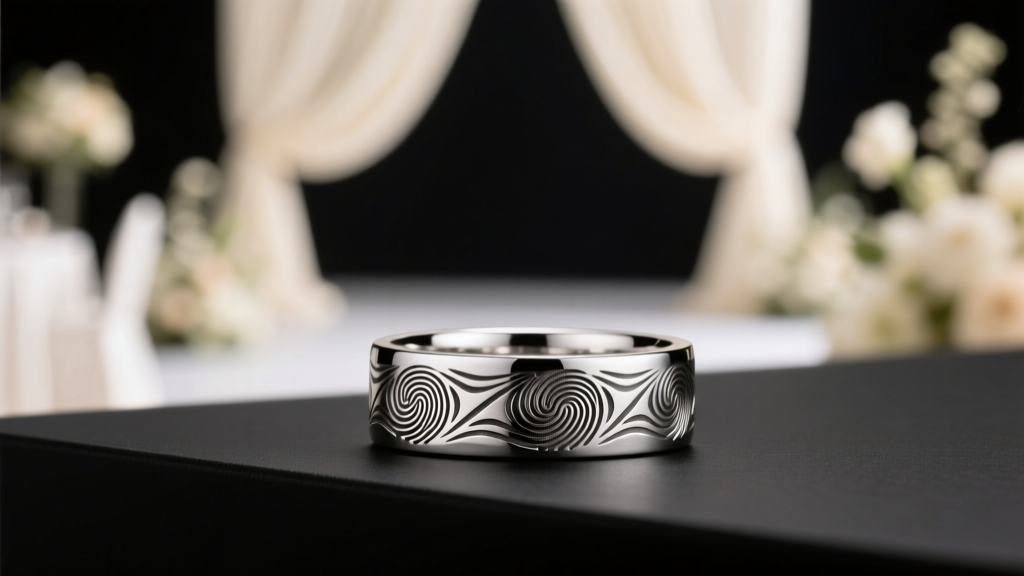 Damascus Steel Wedding Bands Unique Patterns
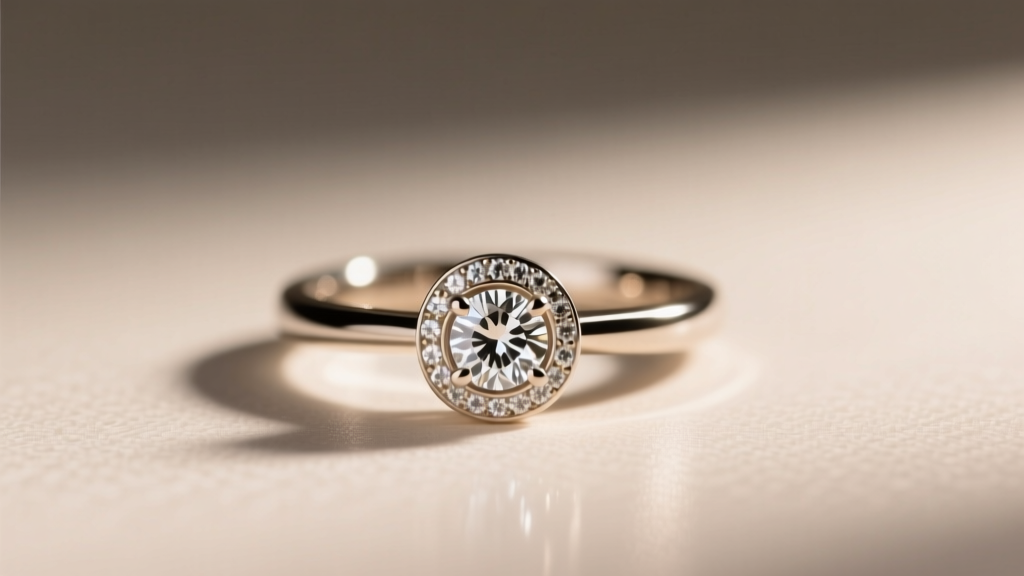 How to Choose an Engagement Ring With a Hidden Halo
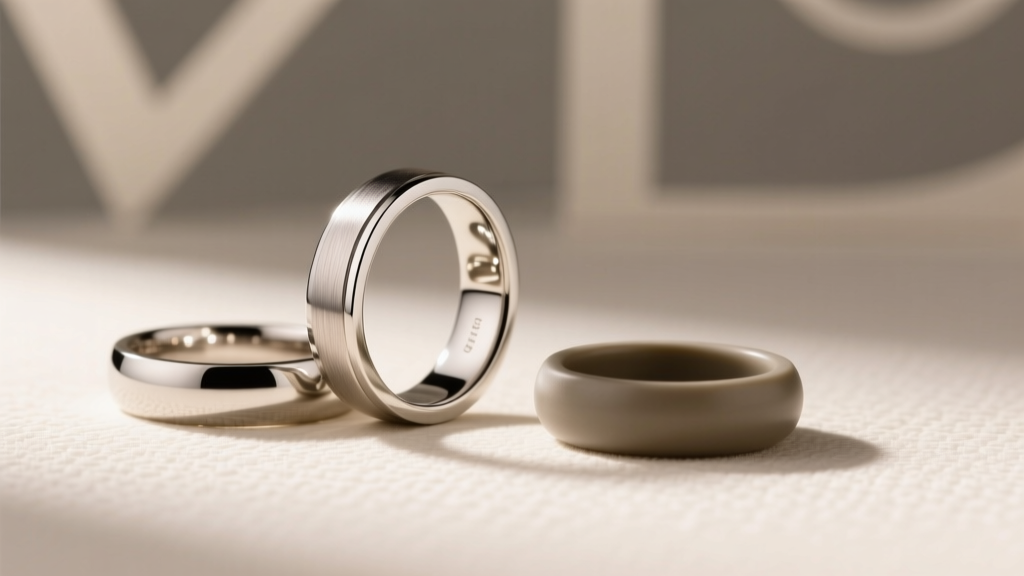 How to Choose a Wedding Band for Sensitive Skin