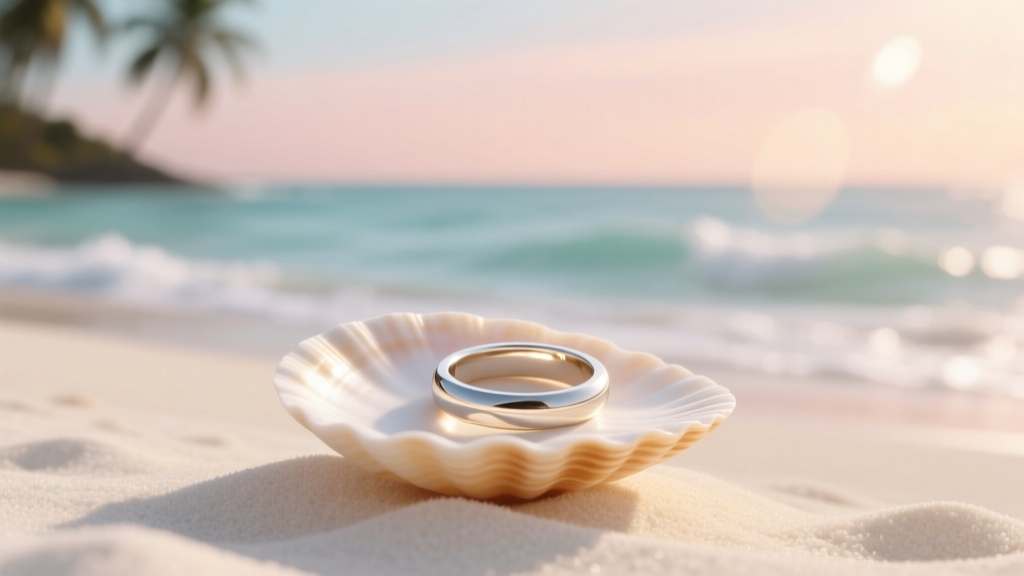
How to Choose a Ring for a Proposal at the Beach
A beach proposal has a kind of magic that doesn’t need much help: open sky, rhythmic waves, golden light, and a moment that feels both spontaneous and unforgettable. The ring you choose should match that energy—romantic and enduring—while also being practical for sand, salt air, and ocean humidity.
Beach environments can be surprisingly hard on jewelry. Fine sand can work its way into settings, saltwater can dull certain metals, and a gusty shoreline can turn a loose ring into a heart-stopping scramble. Picking the right engagement ring (and thinking ahead to a future wedding band) means balancing beauty, durability, and day-of logistics.
This guide walks you through the best metals, gemstones, settings, and style choices for a beach proposal—plus real-world buying tips, price guidance, and mistakes to avoid so you can propose with confidence.
Start with the Beach Proposal Reality Check
Before comparing diamond cuts or metal types, get clear on the conditions you’re proposing in. Beach proposals tend to fall into a few categories:
- On the sand (dry beach): Most common. Sand is abrasive and can lodge under prongs and gallery details.
- Near water or tide line: More moisture and salt exposure; higher risk of the ring being dropped into wet sand or surf.
- On a boat, pier, or boardwalk: Wind is the main risk; metal and gemstone durability still matter.
- Destination beach proposal: Travel adds concerns like ring security, insurance, and temperature/humidity changes.
If there’s even a small chance the ring will be handled near waves, choose a secure setting and consider proposing with a temporary “proposal ring,” then selecting the final engagement ring together.
Best Metals for a Beach Proposal Ring
Metal choice affects durability, maintenance, and long-term wear—especially in salty, humid air. For engagement rings and wedding bands, prioritize metals that resist corrosion and hold up to daily use.
Platinum: The High-Durability Classic
Platinum is a top choice for beach proposals because it’s naturally white, dense, and durable. It doesn’t corrode and holds gemstones securely over time. Platinum develops a patina (a soft, matte sheen) rather than wearing away quickly.
- Best for: Prong settings, heirloom-quality rings, daily wear
- Watch for: Higher price, heavier feel
14K Gold: Best Balance of Strength and Value
14K yellow gold and 14K white gold are excellent for engagement rings because the alloy content makes them more durable than 18K. Yellow gold is especially forgiving for maintenance and won’t require rhodium plating.
- Best for: Budget-smart shoppers who still want fine jewelry
- Watch for: White gold often needs rhodium re-plating over time, especially if exposed to salt air and lotions
18K Gold: Rich Color, Slightly Softer
18K gold has a warmer, richer tone but is softer than 14K. It’s still a classic engagement ring metal, just better for those who don’t do heavy hands-on work or who are willing to keep up with maintenance.
Titanium and Tungsten: Better for Wedding Bands Than Engagement Rings
Titanium is lightweight and corrosion-resistant; tungsten is very scratch-resistant. Both are popular for men’s wedding bands and modern couples’ bands. For engagement rings with prongs and center stones, they’re less common because resizing is difficult and intricate settings are limited.
Choosing the Right Gemstone for Sea, Sun, and Sand
Diamonds are the traditional engagement ring staple, but beach proposals have inspired a rise in colorful center stones and coastal palettes. The key is choosing gems with strong hardness and toughness.
Diamond: The Durable, Timeless Standard
Diamonds rank 10 on the Mohs hardness scale, making them ideal for long-term daily wear. For a beach proposal, diamonds also photograph beautifully in natural light.
Trend watch: Elongated shapes like oval, pear, and emerald cuts remain highly popular, along with classic round brilliant diamonds for maximum sparkle.
Sapphire: A Colorful Yet Practical Alternative
Sapphires (Mohs 9) are a smart beach-friendly gemstone choice. They come in blue, teal, green, yellow, and even white. Blue and teal sapphires pair especially well with yellow gold for a coastal, elevated look.
Moissanite: High Sparkle, Excellent Value
Moissanite is durable (Mohs 9.25) and known for strong brilliance. It’s popular with couples who want a larger look for a lower price. In bright beach sun, moissanite can show more rainbow fire than a diamond—some love that, others prefer a more classic diamond look.
Gemstones to Avoid for Daily Engagement Rings
Some gemstones are beautiful but not ideal for an engagement ring that will be worn in all conditions:
- Opal: Can crack or craze with heat and moisture changes
- Pearl: Soft and easily scratched; sensitive to chemicals and salt
- Emerald: Often included with natural fissures; can chip more easily than sapphire or diamond
Cut, Shape, and Sparkle: What Works Best in Beach Lighting
Beach light is bright, direct, and reflective. Certain shapes and cuts shine especially well outdoors and in photos.
Best Diamond Cuts for Outdoor Proposals
- Round brilliant: Maximum sparkle; timeless and forgiving for inclusions
- Oval: Elegant, elongating on the finger; very on-trend
- Cushion: Soft, romantic; looks beautiful in warm sunset light
Be Cautious with Step Cuts on the Beach
Emerald and asscher cuts look sleek and luxurious, but their broad facets show inclusions and smudges more easily. If you love step cuts, choose a higher clarity grade and plan for more frequent cleaning—especially after sunscreen and sea air.
Settings That Keep the Ring Secure (and Gorgeous)
A beach proposal is not the moment to gamble on a delicate, snag-prone setting. Security and comfort matter as much as style.
Best Secure Settings for a Beach Proposal
- Bezel setting: Metal rim fully or partially surrounds the stone; excellent protection and a modern look
- Low-profile prong setting: Classic solitaire feel with less snag risk; ask for sturdy prongs and a slightly lower basket
- Halo setting: Adds sparkle and visual size; just ensure the halo is well-constructed and not overly thin
Settings to Think Twice About
- Very high-set solitaires: More likely to catch on clothing or get bumped during travel
- Ultra-thin bands: Trendy but can bend over time; consider 1.8mm–2.2mm width for a good balance
- Exposed corners: Princess, marquise, and pear shapes need protective prongs or a bezel to prevent chipping
Craftsmanship Details That Matter
Ask your jeweler about:
- Prong thickness and number: Four prongs can be fine, but six prongs can add peace of mind for round stones
- Gallery rail: A supportive rail can help keep prongs aligned over time
- Stone setting quality: The stone should not rattle or shift; prongs should be evenly seated
Matching the Engagement Ring to a Future Wedding Band
Couples often shop engagement rings first and think about the wedding band later—then discover the band doesn’t sit flush. For beach-friendly rings, low-profile settings are popular, but they can affect band pairing.
- Flush fit: Choose a setting designed to allow a straight wedding band to sit close.
- Contoured band: A curved wedding band can hug a solitaire or halo.
- Stacking trend: Mixed metals and thin stacking bands are trendy, but make sure the main band is sturdy enough to anchor the stack.
Practical Buying Tips for a Beach Proposal
Get the Ring Insured Before You Travel
Jewelry insurance is one of the most overlooked engagement ring essentials. If you’re proposing at the beach, insurance is a practical must—especially near water or during destination travel.
Consider a “Proposal Ring” Strategy
If you’re unsure about size or style, propose with a simple band or affordable stand-in, then choose the final engagement ring together. Many couples love this approach because it reduces stress and ensures the perfect fit.
Plan the Ring Box and Handling
- Avoid bulky boxes: Use a slim ring box that fits securely in a zippered pocket.
- Don’t kneel with the ring in hand near waves: Present it away from the tide line or on stable ground.
- Keep a microfiber cloth: Quick wipe for sunscreen smudges before photos.
Care and Maintenance After a Beach Proposal
Even if the ring never touches water, salt air and sunscreen residue can dull sparkle.
- At-home cleaning: Warm water + mild dish soap + a soft toothbrush. Rinse well and dry with a lint-free cloth.
- Avoid harsh chemicals: Skip bleach and abrasive cleaners, especially for white gold plating and delicate settings.
- Professional checkups: Have prongs inspected every 6–12 months, especially for pavé or halo rings.
- Beach days going forward: Remove the ring for swimming and apply sunscreen before putting jewelry on.
Price Range and Value Tips
A beach proposal ring can be stunning at many budgets. Focus spending on the elements that impact durability and beauty: a secure setting, quality craftsmanship, and a well-chosen center stone.
Typical Engagement Ring Budgets (General Guide)
- $800–$2,000: Moissanite center stone, 14K gold setting, simple solitaire or bezel
- $2,000–$5,000: Lab-grown diamond (often 0.75–1.5ct depending on specs), 14K/18K gold or platinum, solitaire/halo
- $5,000–$12,000+: Natural diamond or larger lab diamond, platinum setting, premium cut quality, custom details
Smart Value Moves
- Choose lab-grown diamonds for size/value: Often allows a larger carat weight while maintaining excellent cut and clarity.
- Prioritize cut quality: A well-cut diamond looks brighter than a heavier diamond with mediocre cut.
- Consider near-colorless grades: G–I color can look beautifully white in yellow gold settings.
- Don’t overpay for ultra-high clarity: Many VS2–SI1 diamonds are eye-clean and photograph well.
Common Mistakes to Avoid
- Choosing a fragile setting because it’s trendy: Ultra-thin bands and high-set stones are risky for travel and beach handling.
- Ignoring ring size uncertainty: A ring that’s slightly too large can slip off easily in cool ocean air.
- Proposing too close to the water: One unexpected wave can end the moment on a stressful note.
- Skipping insurance and documentation: Keep receipts, appraisals, and stone certificates stored digitally.
- Buying only for photos: The ring should be comfortable and durable for daily life after the trip.
FAQ: Beach Proposal Ring Shopping
What’s the safest engagement ring setting for a beach proposal?
A bezel setting is one of the safest because it protects the stone’s edges and reduces the chance of snagging or loosening. A well-made low-profile prong setting can also be secure if prongs are sturdy and properly finished.
Should I avoid white gold for a beach proposal?
Not necessarily. 14K white gold is durable, but it’s typically rhodium-plated for a bright white finish. Salt air and daily wear can make plating fade sooner, so plan for occasional re-plating if you want that crisp white look.
Is moissanite a good choice for an engagement ring at the beach?
Yes. Moissanite is durable and very sparkly, and it offers strong value. In bright sunlight, it can show more rainbow fire than a diamond—choose it if you love bold brilliance.
Which diamond shape looks best in beach proposal photos?
Round and oval diamonds photograph exceptionally well outdoors because they return a lot of light. Ovals are especially popular for a modern, romantic look and an elongated finger silhouette.
Can I wear the ring in the ocean after the proposal?
It’s better to remove it. Saltwater, sand, and sudden temperature changes can stress settings and dull shine. Even though diamonds and platinum are durable, losing a ring in the ocean is the biggest risk.
A Confident Way to Choose
For most beach proposals, the winning combination is a secure, low-profile setting (bezel or sturdy prongs), a durable center stone (diamond, sapphire, or moissanite), and a practical metal (platinum or 14K gold). You’ll get a ring that looks incredible in natural light, holds up to real life, and pairs smoothly with a future wedding band.
If you’re narrowing down styles, focus on what your partner will love wearing every day—then make it beach-ready with smart craftsmanship choices and a secure plan for the proposal moment. Explore more engagement ring and wedding band guides on weddingsift.com to compare settings, metals, gemstone options, and timeless styles that fit your story.
More Articles
 How to Wear Wedding Ring Set: A Definitive Guide
 Realistic Wedding Bands Drawing: Step-by-Step (2026)
 Amethyst Engagement Rings February Birthstone Beauty
 Moissanite vs Diamond: Honest Comparison for 2026 Buyers
 Men's Wedding Ring Fit: The 5-Second Test (2026)
 Party vs. Venues: How Jewelry Design and Metalwork Respond to Event Context
 Emerald Cut Diamonds Step Cut Elegance
 Antique Wedding Rings What to Look for When Buying
 How to Choose a Wedding Band That Stacks Beautifully
 A. Jaffe Men’s Wedding Bands: Fit, Finish & Value Guide