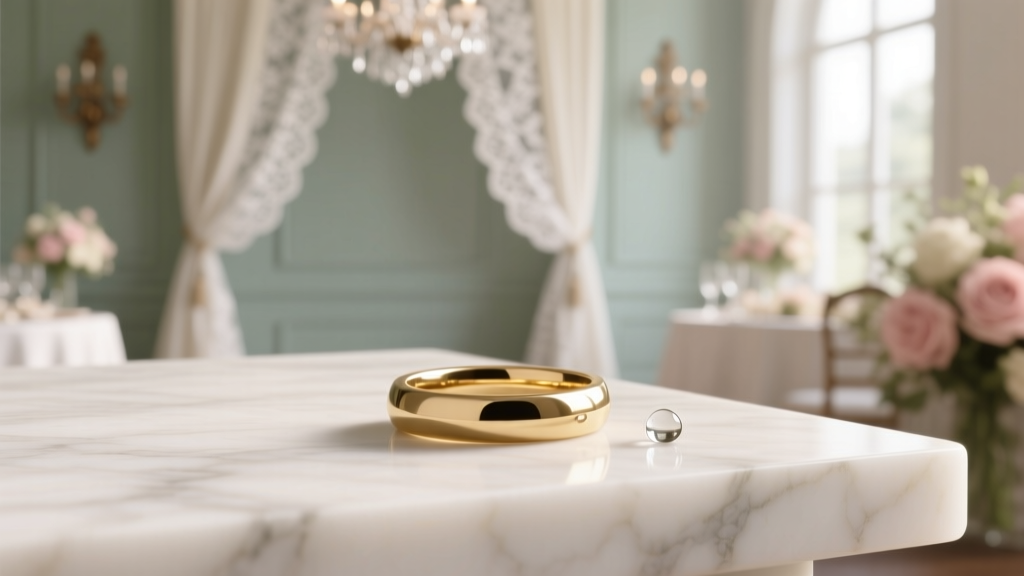
What to Do If You Lose Your Wedding Ring
Losing a wedding ring is one of those moments that can feel disproportionately heavy. A ring is small, but it carries daily meaning—commitment, memory, routine. Whether it’s a plain gold band, a diamond eternity ring, or a custom engraved set, the panic is real because the emotional value often outweighs the price tag.
The good news: most “lost” wedding rings are recoverable, and when they aren’t, you still have smart options—insurance claims, replacements that honor the original, and preventative upgrades that make future loss far less likely. This guide walks you through the practical steps first, then the jewelry-specific decisions that help you replace (or upgrade) confidently, with the same attention you’d give to buying an engagement ring.
If you’re currently shopping for wedding bands or engagement rings, consider this your checklist for protecting your investment from day one—while staying aligned with today’s wedding ring trends and the timeless classics that never fade.
Step 1: Retrace Smartly (Not Frantically)
Start with the “high-probability” locations
Most lost wedding rings aren’t lost “out in the world”—they’re misplaced during routine activities. Check these first:
- Bathrooms: sink edges, soap dishes, inside drawers, behind the toilet, and under bath mats.
- Kitchen: near the sink, dish gloves, sponge caddies, trash/recycling bins (carefully), and under countertop appliances.
- Bedroom: nightstands, jewelry trays, pockets of yesterday’s clothing, laundry hampers, and bed linens.
- Car: center console, cup holders, door pockets, and under seats.
- Work/gym: lockers, desk drawers, and around hand sanitizer stations.
Use light and tools to your advantage
- Flashlight test: Sweep a flashlight low across floors; metal and gemstones catch light quickly.
- Vacuum with a barrier: Place a nylon stocking over the vacuum nozzle to catch small items without sucking them into the machine.
- Drain caution: If you suspect the sink drain, stop running water and remove the P-trap (or call a plumber). Rings can sit there safely.
Step 2: Check Security and “Proof of Ownership” Basics
Call the places you visited—fast
Contact restaurants, gyms, salons, and any venue visited in the last 24–48 hours. Provide a clear description: metal type (14K yellow gold, platinum), any stone details (round brilliant diamond, channel-set band), engravings, and approximate ring size. If your ring is distinctive—milgrain edges, a bezel-set gemstone, a knife-edge profile—mention it.
Pause and document details
If you have a receipt, appraisal, grading report (like GIA for a diamond), or photos showing the ring on your hand, gather them now. These are useful for lost-and-found claims, insurance, and replacement accuracy.
Step 3: If It’s Truly Gone, Consider Insurance and Replacement Paths
Review your coverage
Common options include:
- Jewelry insurance (specialized): Often covers loss, theft, and damage with flexible replacement options.
- Homeowner/renter rider: Can cover jewelry but may have deductibles or lower limits unless scheduled.
- Retailer protection plans: Usually cover repairs and maintenance (like prong tightening), not loss—read the fine print.
If you’re filing a claim, you’ll typically need a police report for theft, proof of ownership, and an appraisal value. If your appraisal is outdated (common after gold price changes), expect the insurer to reference current market replacement costs.
Replacing a Wedding Ring: Materials, Styles, and Quality Factors
Metal Choices: What Matches Your Lifestyle and Budget?
Platinum (timeless, premium, highly durable)
Platinum is a classic for wedding bands—naturally white, dense, and resistant to metal loss. It develops a soft patina over time rather than wearing away quickly. Platinum is ideal if your ring has diamonds (like a pavé or channel-set band) because it holds prongs securely.
Gold (versatile and traditional)
- 14K gold: A strong balance of durability and color richness—excellent for everyday wear.
- 18K gold: Higher gold content, richer color, slightly softer—great for classic bands, less ideal for very thin pavé designs if you’re hard on jewelry.
- Yellow, white, and rose gold: Yellow gold is timeless; white gold is crisp and modern (often rhodium-plated and may need re-plating); rose gold is trend-forward yet still classic when kept simple.
Titanium and tungsten (budget-friendly, low maintenance)
These contemporary metals are popular in men’s wedding bands and minimalist styles. They resist scratching (especially tungsten), but resizing is limited or impossible. If your ring size fluctuates, this matters.
Gemstones and Diamond Details: How to Match the Original (or Upgrade)
If your ring had diamonds
For diamond wedding bands and diamond-accented rings, the key specs are:
- Cut: For round diamonds, “Excellent” cut typically gives the best sparkle. For fancy shapes (oval, emerald, pear), seek strong symmetry and pleasing proportions.
- Clarity: Many bands look great at VS2–SI1, especially with smaller stones, as long as inclusions aren’t visible.
- Color: G–I often balances whiteness and value. Yellow gold settings can mask warmth, letting you choose slightly lower color for savings.
- Total carat weight: Bands are often priced by total carat weight (TCW). Compare number of stones and setting style, not only TCW.
If your ring featured gemstones (sapphire, ruby, emerald)
Colored gemstone wedding rings are a strong trend right now—especially blue sapphires for durability. When replacing:
- Sapphire: Excellent everyday choice (hardness 9). Look for rich color with good transparency; heat treatment is common and acceptable when disclosed.
- Ruby: Also hardness 9; prioritize vivid red with minimal dark areas.
- Emerald: Beautiful but softer (more prone to chipping). Best in protective settings like bezels or halos, and for wearers who can be careful day-to-day.
Settings and Craftsmanship: Why Some Rings Are More “Lose-Proof”
Most secure settings for everyday wear
- Bezel settings: Metal surrounds the stone—excellent protection and a sleek, modern look.
- Channel settings: Stones sit between metal walls—popular for eternity bands and very practical.
- Low-profile prong work: If you love sparkle, choose sturdy prongs and a lower-set design that doesn’t snag.
Workmanship checks when buying a replacement
- Prong thickness and symmetry: Prongs should be even and substantial, not sharp or overly thin.
- Stone tightness: No rattling or movement when gently tapped.
- Comfort fit interior: A comfort-fit wedding band can reduce slipping and improve wearability.
- Engraving quality: If recreating an engraved message or date, ask for samples of the jeweler’s engraving style.
Practical Buying Tips When Replacing a Lost Wedding Ring
Match the partner ring and your daily stack
If you wear a bridal set, bring your engagement ring when shopping. Look at how the bands sit together: flush fit, a slight gap, or a contoured band. Stacking rings is a continued trend, and a replacement is a great moment to choose a band that nests cleanly with your engagement ring.
Confirm ring size at the time of purchase
Finger size changes with temperature, pregnancy, workouts, and time. Get measured at least twice (different times of day). If you’re between sizes, a jeweler can add sizing beads or a small sizing bar for a secure feel without committing to a full size down.
Ask for a fresh appraisal
For insured pieces, request an itemized appraisal listing metal type, gram weight (if applicable), stone details (shape, carat, color/clarity ranges), and replacement value. This helps avoid claim delays later.
Care and Maintenance: How to Prevent Losing Your Ring Again
- Create “ring zones” at home: A dish by the kitchen sink and a tray in the bathroom reduce random placement.
- Use a ring holder at the gym: If you remove your ring to lift weights, use a zip pocket or dedicated ring holder case—not a loose locker shelf.
- Schedule inspections: Have prongs and settings checked every 6–12 months, especially for pavé and eternity bands.
- Clean safely: Warm water, mild dish soap, and a soft brush work for most diamonds and sapphires. Avoid harsh chemicals and be cautious with ultrasonic cleaners, especially for emeralds or rings with fragile settings.
- Consider a silicone band backup: Many couples keep a silicone ring for travel, outdoor work, or workouts—popular and practical, while keeping the “real” band safer.
Price Range and Value Tips for Replacement Wedding Rings
Replacement cost varies widely based on metal, brand, and stone details, but these ranges help set expectations:
- Plain 14K gold band: often $250–$900 depending on width and weight.
- Plain platinum band: often $600–$1,800+ depending on width and weight.
- Diamond pavé or channel-set band: often $800–$3,500+ depending on total carat weight and craftsmanship.
- Eternity band (diamonds all around): often $1,500–$6,000+; more stones and precision setting increase cost.
- Gemstone bands (sapphire/ruby accents): often $700–$4,000+ depending on stone size/quality.
Best value moves
- Choose 14K over 18K for durability and cost savings in daily-wear rings.
- Prioritize setting quality over slightly higher carat weight; secure stones prevent repeat heartbreak.
- Consider a “near-match” diamond color/clarity that looks identical on the hand but costs less (for example, G–I color and VS2–SI1 clarity in many band styles).
- Recreate sentimental details like engraving, birthstones inside the band, or a subtle milgrain edge—often affordable and meaningful.
Common Mistakes to Avoid When Shopping for a Replacement Wedding Ring
- Buying the wrong width: Even a 1 mm change can feel dramatically different. Wider bands fit tighter; you may need a slightly larger size.
- Ignoring ring profile and height: A taller setting can snag on clothing and loosen faster if you’re active.
- Choosing brittle stones for daily wear without protection: Emeralds and some mixed gemstone bands need protective settings and mindful wear.
- Skipping metal compatibility: If you wear rings stacked, mixing very hard metals with softer ones can increase wear on the softer band.
- Assuming “water-safe” means “chemical-safe”: Chlorine and cleaning products can damage finishes and loosen settings over time.
- Not insuring the replacement: If the lost ring taught anything, it’s that coverage and documentation matter.
FAQ: Lost Wedding Ring Questions Couples Ask
Should I replace a lost wedding ring immediately?
If there’s a chance it’s nearby, give yourself a focused 48–72 hours to search thoroughly. After that, many couples feel better choosing a temporary band (even an affordable plain gold or silicone band) while planning a permanent replacement.
Can a jeweler recreate my wedding ring from photos?
Often, yes. Clear photos, receipts, or an appraisal make it easier to match metal type, band width, setting style (pavé, channel, bezel), and stone shapes. Custom recreation is especially effective for classic designs and popular wedding ring styles.
Is platinum worth it for a replacement wedding band?
If you want maximum durability and a naturally white metal, platinum is a strong choice—especially for diamond-set rings. For a simpler band or tighter budget, 14K gold offers excellent long-term value.
What’s the most secure setting for small diamonds on a wedding band?
Channel settings and well-made bezel styles are among the most secure. For pavé, choose a reputable jeweler with clean, consistent bead/prong work and plan regular inspections.
Do eternity bands fit differently than regular bands?
Yes. Eternity bands can feel tighter and are harder to resize due to stones around the full circumference. Many people prefer half-eternity styles for comfort and easier sizing.
How can I prevent my ring from slipping off?
Confirm proper sizing, consider a comfort-fit interior, and ask about sizing beads or an inner sizing bar. These small adjustments can dramatically improve security without changing the look.
Next Steps: Replace with Confidence, Then Protect It
If your wedding ring is lost, handle the situation in two phases: a calm, methodical search followed by a replacement plan built on smart metal choices, secure settings, and accurate sizing. Whether you choose a minimalist gold band (a timeless classic) or a modern upgrade like a bezel-set diamond band or a sapphire-accented stack, the best replacement is the one you’ll wear comfortably every day—and keep for the long haul.
When you’re ready, explore more expert jewelry guides on weddingsift.com to compare wedding bands, engagement rings, diamond shapes, and everyday care tips that help your rings stay beautiful and secure.
More Articles
 Diamond vs Moissanite Which Is the Better Choice
 Wedding Ring Metals Compared: Platinum vs Gold in 2026
 Iolite Engagement Rings Violet Blue Cordierite
 How to Choose a Wedding Band With a Damascus Steel Pattern
 How To Get Off A Wedding Ring That Is Stuck
 How Tight Should Wedding Band Be? Fit Guide (2026)
 How to Clean Your Engagement Ring
 How to Spot a Fake Diamond Before You Buy
 Chlorine and Wedding Rings: What Jewelers Won’t Tell You
 How to Resize a Wedding Ring Without Damaging It