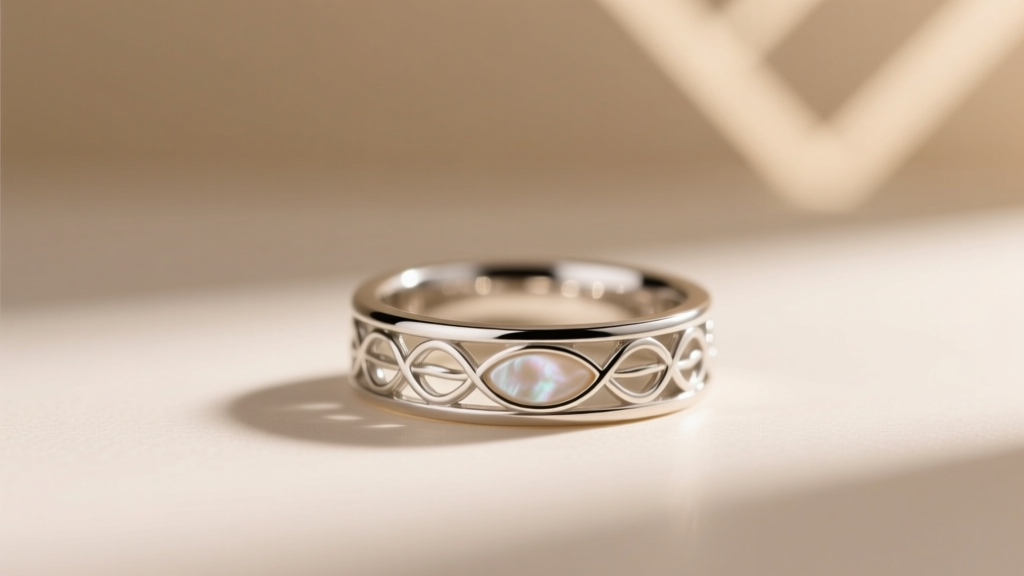
How to Choose a Wedding Band With an Inlaid Design
Inlaid wedding bands have a way of catching the eye without shouting for attention. Instead of raised stones or dramatic height, an inlaid design sits flush with the surface of the ring—often a stripe of a contrasting metal, a row of gemstones, or a natural material like wood or meteorite set into a precisely cut channel. The result feels modern, clean, and very wearable for everyday life.
For couples shopping for engagement rings and wedding bands, inlay is also a smart style choice because it blends personality with practicality. A well-made inlaid band can offer comfort, durability, and a streamlined profile that pairs beautifully with solitaires, halos, three-stone engagement rings, and minimalist settings. The key is knowing which materials truly hold up, what craftsmanship details separate a great ring from a risky purchase, and how to choose a design that still feels timeless years from now.
What Is an Inlaid Wedding Band?
An inlaid wedding band features a recessed area (a channel or groove) cut into the band, then filled with another material. This could be:
- Metal inlay (yellow gold inlaid into platinum, rose gold in tungsten, etc.)
- Gemstone inlay (flush-set diamonds or channel-set diamonds/sapphires)
- Alternative material inlay (wood, meteorite, carbon fiber, ceramic, opal, or mother-of-pearl)
Inlays can run all the way around the ring (full eternity style) or appear only on the top half (more practical for resizing and long-term maintenance).
Popular Inlaid Design Styles (Trends and Timeless Classics)
Metal Stripe Inlay (Timeless and Versatile)
A crisp stripe of contrasting metal is one of the most classic inlaid wedding band designs. Think platinum with a yellow gold inlay for a traditional-meets-modern look, or white gold with rose gold inlay for a warmer, contemporary style. This is a strong choice if you want visual interest but prefer a ring with minimal snag risk and no stones to maintain.
Diamond or Gemstone Channel Inlay (Brilliant but Low Profile)
If you love sparkle but want a smooth silhouette, consider diamonds or gemstones set into an inlaid channel. Common options include:
- Channel-set diamonds (stones protected by metal walls on both sides)
- Flush-set diamonds (also called gypsy-set; stones sit level with the surface)
- French-cut or princess-cut channel rows for a structured, geometric look
- Round brilliant diamonds for maximum shimmer in a smaller footprint
Colored gemstone inlays—especially sapphires (blue, white, or fancy colors) and rubies—are trending for couples who want a non-traditional wedding band that still feels elevated.
Natural Material Inlay (Trending, but Choose Carefully)
Wood, meteorite, opal, and mother-of-pearl inlays are popular in modern men’s wedding bands and unisex styles. They can look incredible, but they require extra attention to durability and care. For example, meteorite needs protective sealing to reduce oxidation, and opal is softer than many gemstones, making it more prone to scratching or cracking if worn daily.
Choosing the Right Metal for an Inlaid Wedding Band
The base metal affects everything: comfort, weight, maintenance, and how well the inlay holds up over time.
Platinum (Best for Longevity and Security)
Platinum is dense and durable, making it an excellent choice for holding gemstones securely—especially for channel-set diamonds. It develops a patina rather than wearing away quickly, and prongs or channel edges tend to stay strong. Platinum costs more, but for an inlaid diamond band, it often delivers the best long-term value.
Gold (Classic, Resizable, Great for Mixed-Metal Looks)
14K gold is a favorite for everyday wedding bands because it balances durability and richness of color. 18K gold has a deeper hue and higher gold content but can show wear sooner. Yellow, white, and rose gold all work beautifully with inlays. If you’re choosing white gold, ask whether it’s rhodium plated and how often it may need re-plating based on your wear.
Titanium and Tungsten (Durable, Modern, Usually Not Resizable)
Titanium is lightweight and comfortable. Tungsten carbide is heavier and highly scratch resistant, but it can chip if struck hard. Most tungsten and titanium rings are difficult or impossible to resize, which matters for inlaid designs because full inlays also limit sizing flexibility. If you go this route, focus on comfort fit and confirm the seller’s exchange policy.
Picking Inlay Materials: What Holds Up and What Needs Extra Care
Diamond Inlay (Best Daily-Wear Sparkle)
Diamonds rank 10 on the Mohs hardness scale, making them ideal for wedding bands worn every day. For inlaid designs, prioritize:
- Channel-set diamonds for protection and a smooth profile
- VS–SI clarity (often a sweet spot for value in small stones)
- G–I color in white metals for a bright look without overspending
Ask for matching in cut quality and stone size so the row looks consistent across the band.
Sapphire and Ruby Inlay (Color with Strong Wear Resistance)
Sapphires and rubies (both corundum) are a 9 on the Mohs scale, making them excellent alternatives to diamonds. Sapphires also come in many colors—navy, teal, champagne, white—letting you personalize the band while keeping it durable.
Emerald, Opal, and Mother-of-Pearl (Beautiful, but Not for Everyone)
Emerald is iconic but more prone to chipping due to natural inclusions. Opal is softer and sensitive to dryness, heat, and impact. Mother-of-pearl can scratch and dull with rough wear. These can still work if you’re careful, remove your ring for hands-on tasks, and accept that maintenance may be more frequent.
Wood and Meteorite (Ask About Sealing and Structure)
Wood inlays should be sealed with a durable resin and protected from prolonged moisture exposure. Meteorite should be stabilized and sealed to help prevent oxidation. Look for craftsmanship that locks the inlay material into a precise channel rather than relying on minimal adhesive.
Craftsmanship and Quality Factors That Matter Most
Inlay Fit and Finish
The inlay should sit perfectly flush with the band, with clean edges and no visible gaps. Poor fit can invite moisture and debris, which may lead to lifting or discoloration over time (especially with natural inlays).
Setting Security for Gemstone Inlays
For diamond or gemstone inlay, examine how the stones are secured:
- Channel walls should be even and substantial, not thin or sharp.
- Flush settings should show smooth, consistent burnishing around each stone.
- Shared channels should not leave stones exposed at the edges of the band.
Comfort Fit Interior
A slightly rounded interior (comfort fit) makes a noticeable difference for wider inlaid wedding bands, especially 6mm–8mm styles. It also helps reduce friction during daily wear.
Half vs. Full Inlay Design
Half inlay (top half only) is often the best balance of beauty and practicality. It can be easier to resize and typically costs less than a full inlay. Full inlay looks seamless, but resizing is limited and wear shows around the entire circumference.
How to Match an Inlaid Band with an Engagement Ring
- Check the profile: Inlaid designs are usually low profile, but a wider band may bump a raised engagement setting.
- Match or intentionally contrast metals: Mixed-metal bridal sets are trending. A platinum engagement ring can look striking with a yellow gold inlay stripe.
- Consider a spacer band: If your engagement ring has a delicate pavé halo or prongs that could rub, a thin spacer band can prevent long-term wear.
- Align design details: If your engagement ring has a vintage-inspired design, choose an inlay with softer edges or milgrain accents. For modern solitaires, a crisp channel inlay feels cohesive.
Price Range and Value Tips
Inlaid wedding band pricing varies widely based on metal, width, and the inlay material. Typical ranges:
- 14K/18K gold with metal stripe inlay: often $500–$1,800+
- Platinum inlaid band (metal or diamond details): often $1,200–$3,500+
- Channel-set diamond inlay (gold or platinum): often $1,000–$5,000+ depending on total carat weight and quality
- Titanium/tungsten with wood or carbon fiber inlay: often $150–$600+
Value tips that consistently pay off:
- Spend on craftsmanship first: A precise inlay and secure setting matter more than an extra fraction of carat weight.
- Choose 14K for everyday durability: Especially for mixed-metal inlays.
- Prioritize protected settings: Channel-set or flush-set gemstones are ideal for daily wear.
- Ask about warranties and maintenance: Some jewelers include inspections, cleaning, and tightening for gemstone bands.
Care and Maintenance for Inlaid Wedding Bands
Daily Habits
- Remove your ring for heavy lifting, gym workouts, yard work, and harsh cleaning chemicals.
- Avoid wearing gemstone or natural inlay rings in chlorinated pools or hot tubs.
Cleaning at Home
For metal and diamond/sapphire inlays, use warm water, mild dish soap, and a soft toothbrush. Rinse thoroughly and dry with a lint-free cloth. Avoid ultrasonic cleaners for rings with softer gemstones (opal, emerald) or natural inlays unless your jeweler confirms it’s safe.
Professional Checkups
For gemstone inlaid wedding bands, schedule a jeweler inspection about once a year (or every 6 months if you wear it hard). They’ll check channel walls, tighten any loosened stones, and polish scratches as appropriate for the metal.
Common Mistakes to Avoid
- Choosing a full inlay without considering resizing: Finger sizes can change over time. If resizing matters, choose a half inlay or confirm sizing options.
- Buying for looks only: Wood, opal, and mother-of-pearl can be beautiful but may not suit a hands-on lifestyle.
- Overlooking band width and comfort: A 4mm band wears very differently than an 8mm band. Try on multiple widths if possible.
- Assuming “scratch proof” means “damage proof”: Tungsten resists scratches but can chip with impact. Know your trade-offs.
- Ignoring how it sits next to the engagement ring: Check for gaps, rubbing, and whether the set feels balanced on the hand.
FAQ: Inlaid Wedding Bands
Are inlaid wedding bands durable enough for everyday wear?
Yes—when the base metal is durable and the inlay is properly set. Platinum or 14K gold with a metal stripe inlay, or channel-set diamonds/sapphires, are excellent daily-wear options. Natural inlays (wood, opal) require more care.
Can an inlaid wedding band be resized?
Sometimes. Gold and platinum rings are often resizable, but full inlay designs and alternative metals like tungsten may not be. A half inlay band is usually the most resizing-friendly option.
What’s the best inlay style if I work with my hands?
Look for a low-profile design with a smooth surface: metal stripe inlay, or channel-set/flush-set diamonds or sapphires. Avoid raised settings and consider skipping softer inlay materials like opal or mother-of-pearl.
Do channel-set diamond inlays lose stones easily?
Not when well made. A properly constructed channel has sturdy sidewalls and even pressure holding the stones. Regular inspections help catch wear early, especially for rings worn daily.
Will mixed-metal inlaid wedding bands go out of style?
Mixed metals are a current trend, but they’re also surprisingly timeless because they coordinate with multiple jewelry colors. A simple contrasting stripe is one of the safest long-term design choices.
Next Steps: Choosing a Band You’ll Love for the Long Run
A great inlaid wedding band should feel like a natural extension of your style—clean, comfortable, and built to handle real life. Start by choosing a dependable base metal (often 14K gold or platinum), decide whether your inlay is primarily decorative (metal stripe) or sparkling (diamond or sapphire channel), and then focus on craftsmanship: flush fit, secure settings, and a comfort-fit interior.
If you’re ready to compare styles, metals, and settings, explore more jewelry guides on weddingsift.com to help you choose a wedding band and engagement ring pairing that looks right today and still feels right years from now.
More Articles
 Morganite Engagement Rings Affordable Luxury Option
 How to Prevent Wedding Ring Tan Lines and Discoloration
 Wedding Rings: Types & How to Choose (2026)
 Moissanite vs Diamond: Honest Comparison for 2026 Buyers
 Wedding Ring Handwashing: Soap, Scrubbing & Damage (2026)
 Value Venues Essentials: Where to Sell Fine Jewelry for Maximum Return and Trust
 How to Insure Your Wedding Jewelry Properly
 De Beers Wedding Rings: 7 Hidden Truths (2026)
 Trillion Cut Triangular Diamond Brilliance
 How to Protect Your Rings During Daily Activities