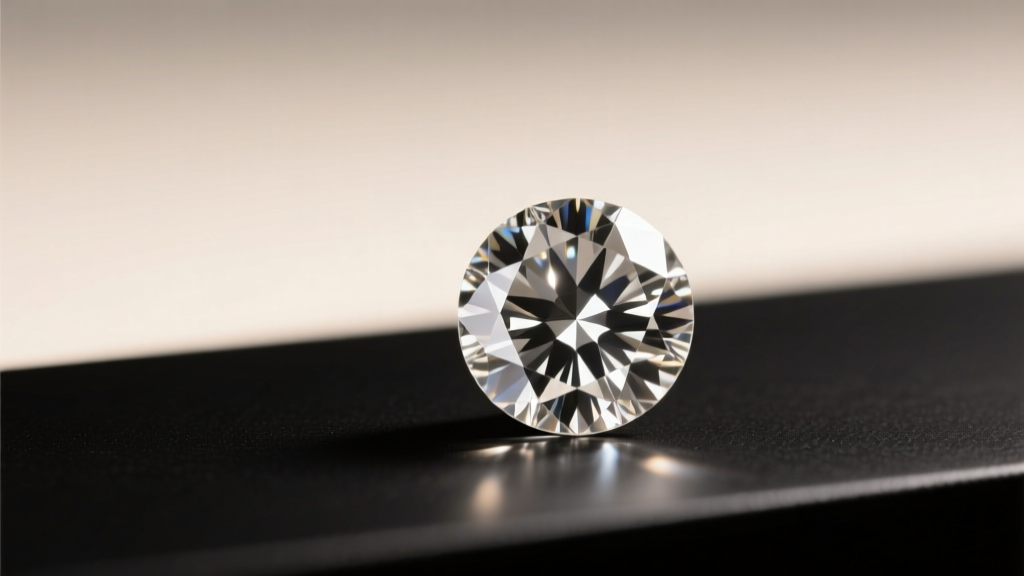
Round Brilliant Diamonds The Most Popular Cut
When couples start shopping for engagement rings and wedding bands, one diamond shape shows up again and again: the round brilliant. It’s the classic “diamond in your mind” look—bright, crisp sparkle from every angle, flattering on nearly every hand, and easy to pair with a wide range of wedding ring styles.
Round brilliant diamonds have earned their popularity for practical reasons, not just tradition. This cut is engineered for light performance, meaning it can deliver exceptional brilliance even in everyday lighting. If you’re balancing beauty, durability, long-term value, and timeless style, the round brilliant is often the most straightforward choice.
This guide breaks down what makes round brilliants special, how to judge quality, what settings and metals work best, and how to shop confidently for the right engagement ring (and matching wedding band) for your budget and lifestyle.
What Makes a Round Brilliant Diamond Different?
The science of sparkle: 57 or 58 facets
A standard round brilliant diamond is cut with 57 facets (or 58 if it includes a tiny facet at the tip called a culet). Facets act like mirrors, bouncing light around the diamond and back to your eye. This facet pattern has been refined over decades to maximize three key visual effects:
- Brilliance: white light return (the “brightness”)
- Fire: rainbow flashes from dispersed light
- Scintillation: the sparkle pattern as the diamond moves
Why the round cut is the “benchmark”
Because round brilliants are so common, the industry has developed strong standards around cut grading, proportions, and performance. That makes it easier to compare one diamond to another. If you’re new to diamond shopping, the round brilliant is the most “measurable” and predictable cut when you rely on reputable grading reports.
Round Brilliant vs. Other Popular Diamond Shapes
Many fancy shapes are stunning, but they behave differently in terms of sparkle, face-up size, and value.
Round vs. oval, pear, and marquise
- Look: Elongated shapes can make fingers look longer and often appear larger per carat.
- Sparkle: Rounds typically win on balanced brilliance and symmetry.
- Bow-tie risk: Ovals and pears can show a darker “bow-tie” area if cut poorly; rounds don’t have this issue.
Round vs. princess and cushion
- Princess: sharp corners need protective prongs; great sparkle but more vulnerable to chipping at points.
- Cushion: romantic, softer outline with a vintage feel; sparkle can be “chunkier” depending on facet style.
Round vs. emerald and asscher
- Step cuts: emphasize clarity with broad flashes rather than glittery sparkle.
- Clarity sensitivity: emerald and asscher cuts show inclusions more easily; rounds are more forgiving.
If you want the safest bet for maximum sparkle, easy matching with wedding bands, and a timeless silhouette, round brilliant diamonds usually come out on top.
Quality Factors That Matter Most for Round Brilliants (The 4Cs and Beyond)
Cut: the most important “C” for round diamonds
If you’re choosing a round brilliant, prioritize cut grade. Cut has the biggest impact on beauty—more than color or clarity in many cases. Look for diamonds graded Excellent by GIA or Ideal by AGS (or equivalent top-tier cut grading).
Helpful proportion targets many jewelers use as a starting point:
- Table: roughly 54–58%
- Depth: roughly 60–62.5%
- Girdle: thin to slightly thick (avoid extremely thin)
- Polish/Symmetry: Excellent/Excellent when possible
These aren’t absolute rules, but they’re a strong filter when comparing options.
Color: choosing what looks white in your setting
Round brilliants hide color better than many shapes. Many couples find that G–H color looks beautifully white in platinum or white gold, while I–J can be excellent value—especially in yellow or rose gold, where warmth blends in naturally.
Clarity: eye-clean is the goal
Rounds can look clean even with modest clarity grades. For most engagement rings, focus on “eye-clean” rather than chasing the highest grade.
- VS1–VS2: commonly eye-clean and easy choices
- SI1: can be eye-clean and a great value if vetted carefully
- SI2 and below: inspect closely; inclusions may be visible or affect durability
Carat: balancing size, comfort, and budget
Carat is weight, not size, but it strongly affects price. Popular “sweet spots” include just under major marks like 0.90 ct (instead of 1.00) or 1.80 ct (instead of 2.00). You can often get a similar look for less if you shop slightly under these thresholds.
Fluorescence and certification
Medium or strong fluorescence can sometimes make a diamond look hazy (not always), and it can also reduce price. If you’re considering fluorescence, view the diamond in different lighting. For peace of mind, choose diamonds with reputable grading reports (GIA and AGS are widely trusted).
Best Settings for Round Brilliant Engagement Rings
Solitaire: the timeless classic
A round brilliant solitaire engagement ring is the definition of classic. It highlights the diamond, pairs effortlessly with almost any wedding band, and works for every style from minimalist to traditional.
Pavé and micro-pavé: extra sparkle (with maintenance)
Pavé settings add rows of small diamonds along the band for maximum shine—one of today’s most requested engagement ring styles. Choose high-quality craftsmanship with secure bead or shared prongs, and plan for occasional maintenance checks to keep the small stones tight.
Halo: bigger look, bold presence
Halo engagement rings frame a round center diamond with a ring of smaller diamonds, making the center appear larger and adding intense sparkle. This style remains popular, especially with thin, delicate bands and hidden halo details under the center stone.
Three-stone: symbolic and balanced
Three-stone engagement rings are a timeless favorite and on-trend again, especially with mixed shapes (round center with tapered baguettes) and “trellis” style baskets. It’s a great option if you want more finger coverage without jumping significantly in center carat size.
Prongs, baskets, and security details
For a round brilliant, 4 prongs show more diamond and can look slightly larger; 6 prongs provide extra security and a classic look (think “Tiffany-style” influence). A well-made basket or cathedral shoulder adds strength and protects the setting from knocks.
Choosing the Right Metal for Your Engagement Ring and Wedding Band
Platinum
Platinum is naturally white, dense, and durable—excellent for prong security. It develops a soft patina over time rather than losing metal. It’s often the premium choice for a round diamond engagement ring you plan to wear daily.
White gold (14K or 18K)
White gold is bright and modern, typically rhodium-plated for a crisp white finish. 14K tends to be more scratch-resistant than 18K due to higher alloy content, while 18K has a richer feel. Expect periodic rhodium re-plating to maintain the brightest look.
Yellow gold and rose gold
Warm metals are trending strongly, especially yellow gold solitaires and rose gold with a round center. These colors can make a round brilliant feel fresh while staying timeless. Yellow gold also pairs beautifully with classic wedding bands and vintage-inspired settings.
Price Range and Value Tips for Round Brilliant Diamonds
Round brilliants typically cost more per carat than fancy shapes because demand is high and the cutting process often retains less rough diamond (more is lost to achieve ideal proportions).
- Budget-friendly range: Many couples start with 0.50–0.90 ct, focusing on excellent cut and eye-clean clarity for a crisp look.
- Popular mid-range: Around 1.00–1.50 ct is a common target for a balanced “presence” on the hand.
- Higher investment: 1.50 ct and above typically sees sharper price jumps, especially with high color/clarity.
Best value strategies:
- Prioritize cut over everything: an excellent-cut 0.90 ct can outshine a poorly cut 1.00 ct.
- Shop “near-colorless”: G–I can look very white once set, especially in yellow gold.
- Choose eye-clean clarity: SI1 can be a smart buy if it truly looks clean face-up.
- Consider lab-grown diamonds: Lab-grown round brilliant diamonds offer the same optical and chemical properties as natural diamonds and can significantly reduce cost, letting you put budget toward a better setting or matching wedding band set.
Practical Buying Tips for Engagement Rings and Wedding Bands
Bring the wedding band into the conversation early
Many couples choose the engagement ring first and then struggle to find a flush-fitting wedding band. If you love a low-profile setting, ask about band clearance or consider a contoured wedding band designed to sit snugly alongside the engagement ring.
Ask for the right visuals
If you’re shopping online, request:
- High-resolution videos in neutral lighting
- Face-up and profile views of the setting
- Confirmation of “eye-clean” standards at a normal viewing distance
- Details on prong style, metal weight, and band thickness
Don’t ignore comfort and durability
Ultra-thin bands look delicate and trendy, but they can wear faster. For everyday wear, many jewelers recommend a minimum band width and thickness that still feels graceful but holds up over years of wear—especially for pavé styles.
Care and Maintenance for Round Brilliant Diamond Rings
- Clean regularly: Warm water, mild dish soap, and a soft toothbrush work well for diamond engagement rings. Rinse thoroughly and dry with a lint-free cloth.
- Avoid harsh chemicals: Remove rings for chlorine, bleach, and abrasive cleaning products.
- Check prongs: Have prongs inspected every 6–12 months, especially for pavé and shared-prong designs.
- Store safely: Keep diamond rings separate from other jewelry to avoid scratches on metal or other gemstones.
Common Mistakes to Avoid When Shopping for Round Brilliant Diamonds
- Buying by carat weight alone: Cut quality determines sparkle; a heavier diamond can look smaller if it’s too deep.
- Assuming “Excellent” always means identical beauty: Two excellent-cut diamonds can perform differently. Compare videos and proportions when possible.
- Choosing a fragile setting for your lifestyle: If you’re very active or work with your hands, a secure 6-prong or protective basket may be better than an ultra-delicate design.
- Ignoring matching considerations: Think about how your wedding band will sit, especially with halos or low-set centers.
- Overpaying for invisible upgrades: Very high color and clarity can be stunning, but many couples won’t see the difference once the diamond is set. Put budget where it shows—cut, setting craftsmanship, and a comfortable band.
FAQ: Round Brilliant Diamond Engagement Rings
Are round brilliant diamonds the sparkliest?
They’re widely considered the most consistently brilliant shape because the facet pattern is optimized for light return. Other shapes can be extremely sparkly too, but rounds are the most reliable for balanced brilliance and scintillation.
What cut grade should I choose for a round diamond?
Aim for Excellent (GIA) or Ideal (AGS) if your budget allows. Cut has the biggest visual impact, and round diamonds are especially responsive to cut precision.
Is a round diamond a good choice for a wedding ring set?
Yes. Round engagement rings are among the easiest to pair with straight wedding bands, pavé bands, eternity bands, or classic plain metal bands. If the setting sits very low, you may need a contoured band for a flush fit.
Do round diamonds look smaller than ovals?
At the same carat weight, ovals often appear larger because they spread weight across a longer shape. Rounds may look slightly smaller face-up, but they typically deliver stronger overall sparkle and symmetry.
Should I choose platinum or white gold for a round brilliant engagement ring?
Platinum is heavier, naturally white, and excellent for long-term prong security. White gold is typically more budget-friendly and bright when rhodium-plated, but it may need periodic re-plating over the years.
Are lab-grown round brilliant diamonds worth it?
For many couples, yes. Lab-grown diamonds offer the same look and durability as natural diamonds, often at a lower price, which can help you choose a larger carat size or invest in a more intricate setting.
Round Brilliant Diamonds: A Confident Choice That Lasts
If you want an engagement ring that feels timeless, performs beautifully in real-world lighting, and pairs easily with nearly any wedding band, the round brilliant diamond is the safest and most rewarding option. Focus on excellent cut, choose an eye-clean clarity and a color that suits your metal, and don’t underestimate the importance of strong setting craftsmanship—especially prongs and band thickness.
For more help comparing engagement ring styles, diamond shapes, metals, and matching wedding band sets, explore additional jewelry guides on weddingsift.com.
More Articles
 Diamond Cut Guide Understanding Brilliance and Fire
 How to Clean Gold Wedding Ring at Home Safely
 Does A Wedding Band Go On Top Or Bottom (2026)
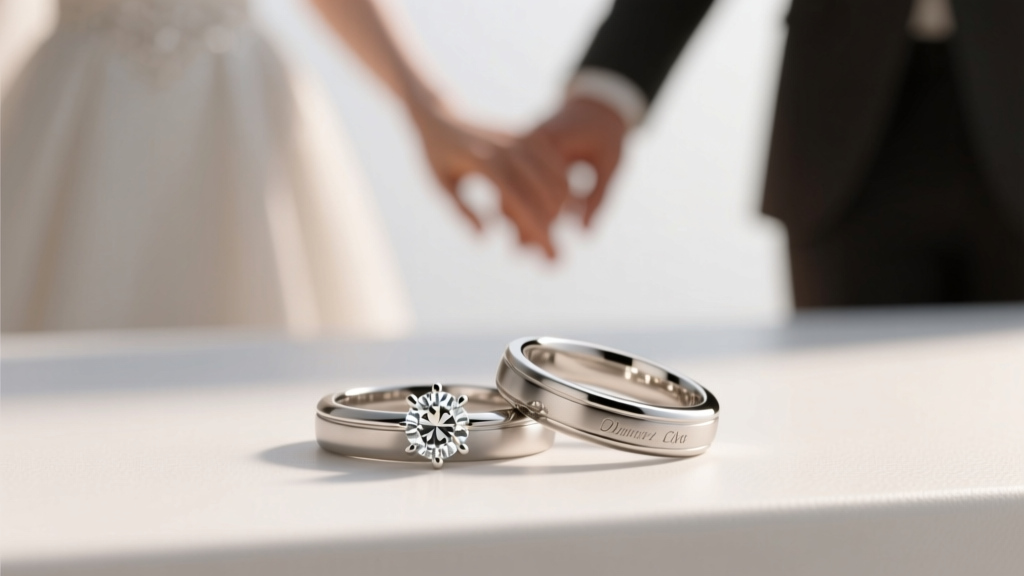 How to Keep Wedding Ring and Engagement Ring Together
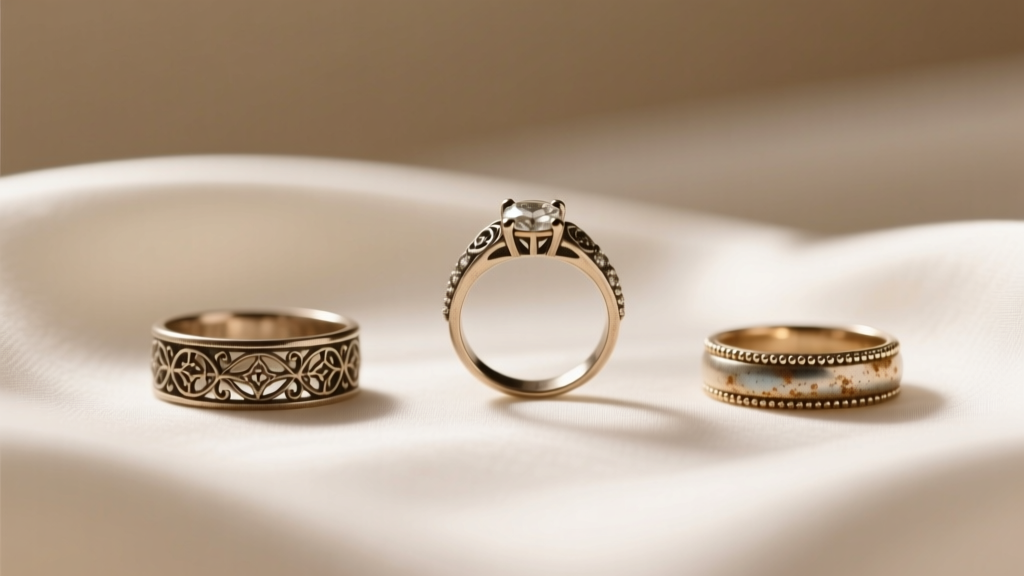 Antique Wedding Rings What to Look for When Buying
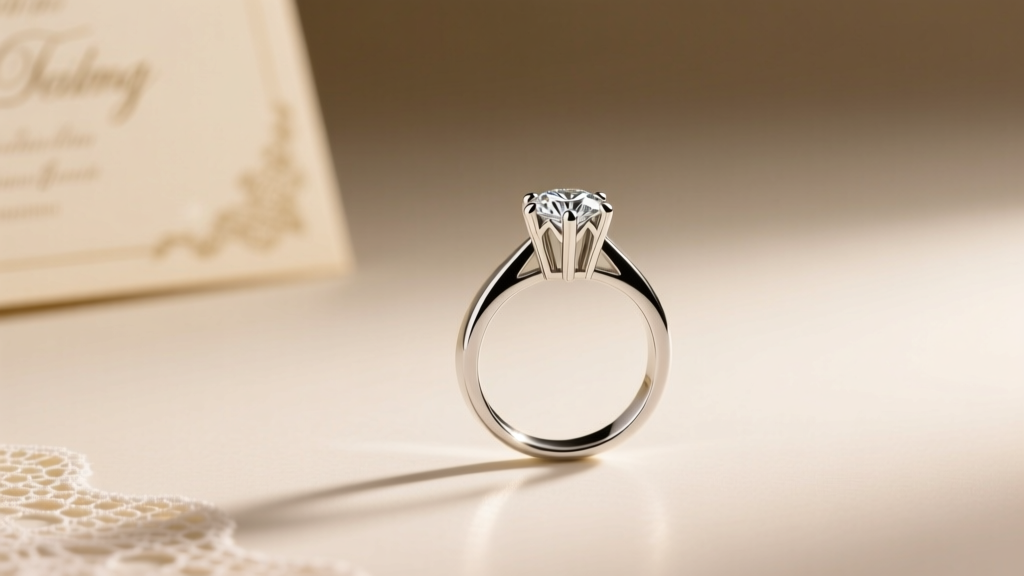 How to Choose an Engagement Ring With a Cathedral Shank
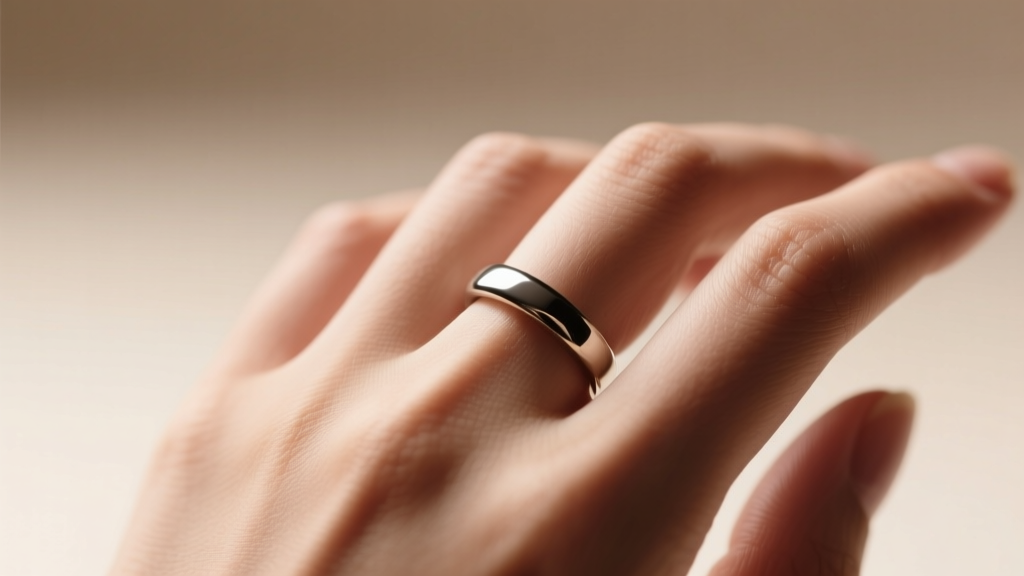 Wedding Ring Fit: Science-Backed Standards for Lifelong Wear
 Can You Sell Your Wedding Ring During Divorce?
 Wedding Band Metals Compared: Which Is Best?
 How to Protect Your Rings During Daily Activities