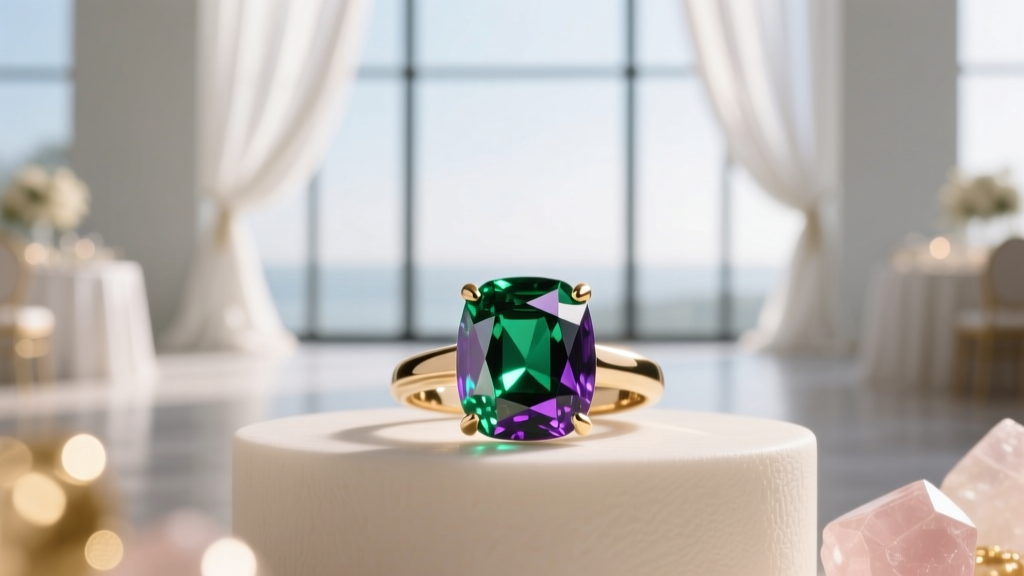
Alexandrite Engagement Rings Color-Changing Rarity
Few gemstones feel as magical on the hand as alexandrite. One moment it reads green to teal in daylight; later, under warm indoor lighting, it shifts toward purple, red, or raspberry. For couples shopping for an engagement ring that’s truly personal—something beyond the expected diamond solitaires—alexandrite engagement rings offer a rare mix of romance, individuality, and everyday wearability.
That color change isn’t a gimmick; it’s the defining trait of a gemstone that has fascinated jewelers for more than a century. Alexandrite is also a practical choice for modern lifestyles: it’s hard enough for daily wear when set correctly, it pairs beautifully with popular metals like yellow gold and platinum, and it looks stunning in both vintage-inspired and minimalist settings.
This guide breaks down what makes alexandrite rare, how to evaluate quality, which settings and metals highlight its shift, and how to shop confidently—whether you’re choosing a classic engagement ring, a matching wedding band, or a complete bridal set.
What Makes Alexandrite So Special?
The Color-Change Phenomenon
Alexandrite is a variety of chrysoberyl colored by trace chromium. Its signature “alexandrite effect” is a dramatic color change caused by the way the stone absorbs and reflects different wavelengths under different light sources. In simplified terms:
- Daylight / cool light: green, bluish-green, teal
- Incandescent / warm light: purplish, magenta, reddish, sometimes brownish-red
The best stones show a clear, noticeable shift with pleasing colors at both ends—often described as “emerald by day, ruby by night.” Many stones change, but not all change beautifully, which is why quality assessment matters.
Natural vs. Lab-Created Alexandrite
You’ll see both natural alexandrite and lab-created alexandrite in engagement rings. Both can be attractive and durable, but they differ in rarity, price, and collectability.
- Natural alexandrite: Rare and typically expensive, especially above 1 carat with strong color change. Often includes minor inclusions (normal for natural gems).
- Lab-created alexandrite: Real alexandrite with the same chemical composition and color-change behavior, grown in a lab. Usually more affordable and often visually “cleaner.”
If you love the look and want a larger center stone on a realistic budget, lab-created alexandrite can be an excellent engagement ring choice. If rarity and long-term collector value matter most, natural alexandrite is the aspirational pick.
Durability for Everyday Wear: Can Alexandrite Handle an Engagement Ring?
Alexandrite ranks 8.5 on the Mohs hardness scale, making it a strong candidate for daily wear—harder than many popular colored gemstones like tanzanite and opal. That said, hardness isn’t the whole story. Any gemstone can chip if hit at the right angle, especially if it’s cut with sharp corners or set too high.
For active lifestyles, choose a setting that protects the stone’s edges (more on that below) and avoid ultra-thin bands that can bend over time. If you’re pairing your engagement ring with a wedding band, plan for a flush fit or a shaped band so the rings don’t knock together.
How to Choose an Alexandrite Engagement Ring
Quality Factors: Color Change, Color, Clarity, Cut, Carat
Alexandrite quality is best evaluated by looking at the stone in multiple light sources. Jewelers weigh these factors:
- Strength of color change: Higher is better. Fine stones show a noticeable shift (often described as 70–100% change). Weak change can look “muddy” or brownish.
- Beauty of both colors: The ideal is vivid, not gray. Look for appealing greens/teals in daylight and rich purples/reds indoors.
- Clarity: Many natural stones have inclusions. Eye-clean is desirable, but don’t reject a gem with minor inclusions if the color change is exceptional.
- Cut: A well-cut alexandrite looks lively in both lighting types. Poor cuts can go dark (“extinction”) and hide the color shift.
- Carat weight: Large, fine natural alexandrites are extremely rare. Even a beautiful 0.50–0.90 ct stone can be a premium choice.
Best Cuts for Alexandrite (and Why)
Cut affects how much light returns to your eye—and how clearly you see the color shift. Popular choices include:
- Oval: A top pick for alexandrite engagement rings. Elongated shape, flattering on the finger, and often shows color change well.
- Cushion: Vintage-friendly with soft corners; great for halos and antique-inspired designs.
- Round: Classic brilliance and easiest to match with wedding bands, but can face up smaller for the carat weight.
- Emerald cut: Elegant and timeless; emphasizes clarity and color. Choose protective settings since corners can be more vulnerable.
- Pear or marquise: Fashion-forward and finger-lengthening, but tips need protection (V-prongs strongly recommended).
Settings That Protect and Showcase the Stone
Setting choice is where beauty meets practicality. For alexandrite, these are reliable options:
- Bezel setting: A sleek modern favorite that wraps metal around the stone’s edge. Excellent protection and ideal for active hands.
- Halo setting: Adds sparkle and can make a smaller center stone look larger. A diamond halo is a timeless classic; a mixed halo (diamonds + colored accents) is a trend-forward twist.
- Three-stone setting: Symbolic and balanced. Diamonds as side stones keep it traditional while letting alexandrite stay the star.
- Solitaire with sturdy prongs: Minimalist and elegant. Choose substantial prongs (4 or 6) and avoid a very high set.
- Vintage-inspired details: Milgrain edges, filigree, and engraved shanks are trending again and pair beautifully with alexandrite’s romantic feel.
Metal Choices: Yellow Gold, White Gold, Rose Gold, or Platinum?
Alexandrite is versatile because it plays well with both warm and cool tones. The best metal depends on the look you want in each lighting condition.
- Platinum: A premium, naturally white metal known for durability. It tends to emphasize cooler daylight tones and suits timeless engagement ring styles.
- 14K or 18K white gold: Bright and modern. Great for diamond halos and crisp, contemporary settings. (Replating may be needed over time.)
- Yellow gold: A strong trend right now, and a classic forever. Yellow gold creates a warm contrast that can make the green daylight color pop and the indoor reddish tones feel richer.
- Rose gold: Romantic and flattering. It can enhance the purple-red side of alexandrite, especially in warm lighting. Choose this if you love a softer, vintage vibe.
If you’re choosing matching wedding bands, consider how the band’s metal color affects the overall look. Many couples love a mixed-metal bridal set (for example, a yellow gold engagement ring with a white gold wedding band) for versatility.
Price Ranges and Value Tips
Alexandrite prices vary widely based on natural vs. lab-created, color change strength, and size.
- Lab-created alexandrite engagement rings: Often start around $300–$1,500 depending on the metal, size, and whether diamonds are included. Premium designs can run higher.
- Natural alexandrite rings: Typically start around $2,000–$5,000 for smaller stones with decent color change and can reach $10,000+ quickly for fine quality. Exceptional stones above 1 carat can be far more.
Value tips:
- Prioritize color change over carat size. A smaller stone with vivid shift often looks more “expensive” than a larger, dull one.
- Choose a halo or three-stone design to increase presence without paying for a large center alexandrite.
- Consider 14K gold for durability and budget balance; platinum is beautiful but typically costs more.
- Ask for documentation on whether the stone is natural or lab-created. For natural stones, a reputable lab report can add confidence.
Practical Buying Tips for Couples
- View the stone under multiple lights: daylight near a window and warm indoor light. If shopping online, look for videos showing both conditions.
- Decide your “must-have” color direction: Some prefer a strong green-to-red shift; others love teal-to-purple. Your taste should guide the choice.
- Plan the wedding band fit early: A flush-fit band works best with lower profiles and certain halos; otherwise, choose a curved/contoured wedding band.
- Check the ring’s profile height: If you’re hands-on (fitness, healthcare, crafts), a low-set bezel or low prong design is often the happiest long-term option.
- Confirm return/resize policies: Especially important for custom engagement rings and detailed vintage-inspired settings.
Care and Maintenance: Keeping Alexandrite Beautiful
Alexandrite is durable, but smart care protects the gemstone and the setting craftsmanship.
- Cleaning: Warm water, mild dish soap, and a soft toothbrush are usually safe. Rinse well and pat dry with a lint-free cloth.
- What to avoid: Harsh chemicals (chlorine, bleach), abrasive cleaners, and wearing your ring during heavy lifting or impact activities.
- Ultrasonic/steam cleaning: Often safe for sturdy rings, but avoid if the stone has fractures or the setting is delicate. When in doubt, use gentle soap-and-water cleaning.
- Routine checks: Have prongs and settings inspected every 6–12 months—especially for halo engagement rings and pavé bands where small stones can loosen.
- Storage: Store separately from other jewelry to prevent scratching metals or softer gemstones.
Common Mistakes to Avoid When Shopping for Alexandrite Rings
- Buying based on one photo: Alexandrite can look very different depending on lighting and camera settings. Look for multiple images/videos.
- Ignoring the setting quality: A beautiful stone in flimsy prongs is a risk. Look for secure craftsmanship and appropriate prong thickness.
- Confusing “color shift” with “color change”: Some stones show only subtle changes. If you want a dramatic effect, make that your priority.
- Overpaying for size with weak color: Bigger isn’t always better with alexandrite. Strong color change is where the magic (and value) lives.
- Not asking whether it’s natural or lab-created: Both can be excellent—just make sure the price matches what you’re buying.
FAQ: Alexandrite Engagement Rings
Are alexandrite engagement rings suitable for everyday wear?
Yes. Alexandrite is hard (8.5 Mohs) and generally durable for daily wear, especially in protective settings like bezels, sturdy prongs, and low-profile designs.
Does alexandrite always change from green to red?
Not always. Many stones shift from green/teal in daylight to purple, magenta, or reddish tones indoors. The most valuable stones show a strong, attractive change on both ends.
Is lab-created alexandrite “fake”?
No. Lab-created alexandrite has the same chemical composition and optical behavior as natural alexandrite, including color change. The difference is origin (lab vs. earth) and typically price.
What metal looks best with alexandrite?
Platinum and white gold highlight cooler tones and feel sleek and modern; yellow gold adds warm contrast and is very on-trend; rose gold brings a romantic, vintage feel and can enhance the warmer color side.
How can I tell if an alexandrite is good quality when shopping online?
Look for videos showing the stone in both daylight and warm indoor lighting, check for notes about color-change strength, confirm whether it’s natural or lab-created, and review setting details (prong security, band thickness, halo/pavé craftsmanship).
Do alexandrite rings pair well with diamond wedding bands?
Very well. Diamond bands are timeless and let alexandrite stay the focal point. For a trend-forward look, consider a mixed-metal band or a contour band that hugs a halo setting.
Where Alexandrite Fits: Trends and Timeless Style
Alexandrite sits at the intersection of current trends and enduring design. Couples are increasingly choosing non-traditional engagement rings, colored gemstones, and personalized bridal sets—yet still want a ring that feels classic enough to love for decades. An alexandrite center stone in a solitaire, three-stone, or delicate halo checks both boxes: it’s distinctive, but not trendy in a way that feels fleeting.
If you want a ring that sparks conversation, photographs beautifully in different lighting, and feels meaningfully “yours,” alexandrite is one of the most rewarding options on the market.
Explore more engagement ring and wedding band guides on weddingsift.com to compare gemstones, metals, settings, and bridal set styles with confidence.
More Articles
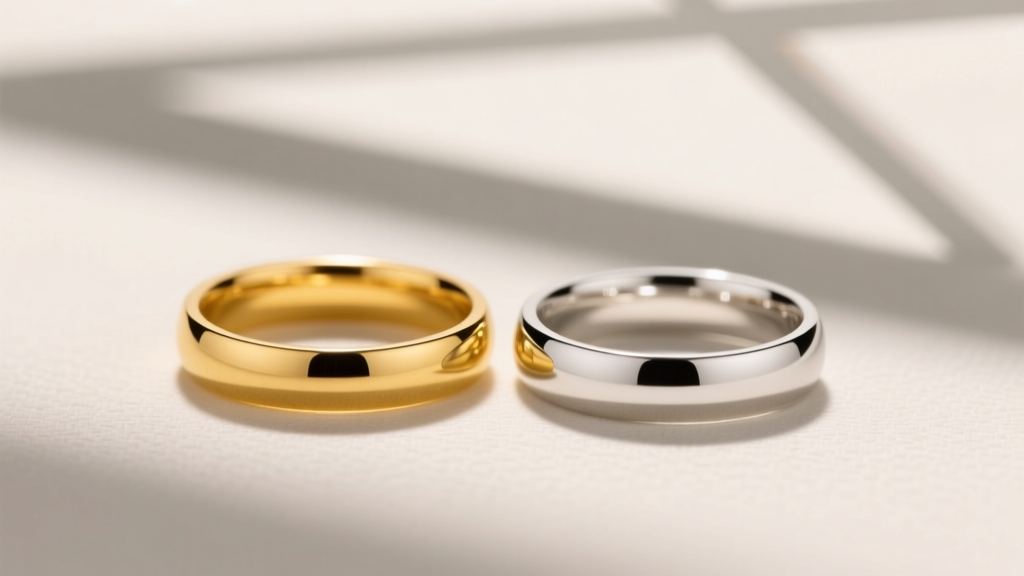 How to Choose Between Yellow Gold and White Gold Bands
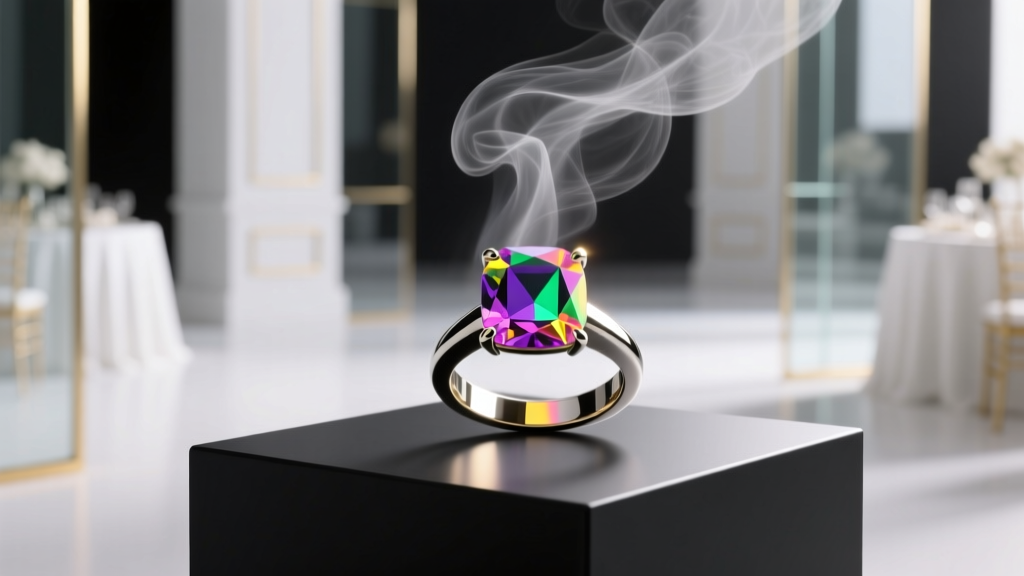 Tourmaline Engagement Rings Rainbow Color Options
 Can Wedding Rings Be Made Bigger? (2026)
 How to Clean Wedding Rings Safely (2026)
 Vintage Engagement Rings A Complete Buying Guide
 Wood Inlay Wedding Bands Natural and Organic
 Tsavorite Garnet Vivid Green Gemstone Alternative
 How to Choose a Wedding Band With a Hammered Finish
 How to Choose a Wedding Band With a Nature-Inspired Design
 Big Wedding Ring: Comfort, Confidence & Elegance (2026)