Diamond Certification GIA vs IGI vs EGL Explained
When you’re shopping for an engagement ring or wedding band, the sparkle is what grabs you first—but the paperwork is what protects you. A diamond grading report (often called a “certificate”) is the closest thing the jewelry world has to a shared language: it explains your diamond’s cut, color, clarity, and carat weight, along with measurements and identifying features. That information helps you compare stones fairly, avoid overpaying, and feel confident you’re choosing a diamond that matches your budget and style.
The challenge is that not all grading labs are equally strict. Two diamonds that look similar can receive different grades depending on whether they were evaluated by GIA, IGI, or EGL. For couples buying a diamond engagement ring—especially online—understanding these differences can save you hundreds or even thousands of dollars and help you avoid the most common disappointment: “It looked better in the listing than it does in real life.”
This guide breaks down GIA vs IGI vs EGL in clear, practical terms, with buying tips tailored to engagement rings, wedding bands, and today’s most popular settings.
What a Diamond Certification (Grading Report) Really Tells You
A diamond grading report is an independent evaluation of a stone’s characteristics. Most reports include:
- The 4Cs: carat weight, color grade, clarity grade, and cut grade (for round brilliants; some labs grade cut differently for fancy shapes).
- Measurements: length/width/depth and table percentage—key for how large the diamond “faces up” on the finger.
- Proportions diagram: helps predict brilliance, fire, and scintillation.
- Polish & symmetry: craftsmanship indicators.
- Fluorescence: can affect appearance and value in certain color ranges.
- Plotting diagram / clarity characteristics: shows inclusions and blemishes (more common on detailed reports).
- Laser inscription: many diamonds have a report number inscribed on the girdle for identification.
Certification vs. Appraisal: Don’t Confuse Them
A grading report describes quality; an appraisal assigns a dollar value (often inflated for “replacement value”). For engagement ring shopping, prioritize a respected lab report first, then get an appraisal for insurance once you purchase.
GIA: The Industry Benchmark for Natural Diamonds
GIA (Gemological Institute of America) is widely considered the strictest and most consistent lab for grading natural diamonds. If you’re comparing diamonds across retailers, a GIA report is often treated as the “gold standard” reference point.
Why couples choose GIA
- Strict grading standards: color and clarity tend to be conservatively assigned.
- Strong resale confidence: if you ever upgrade (a common trend with anniversary upgrades), GIA diamonds are easier to value.
- Trusted for higher budgets: especially for 1.00 carat and above, where small grade differences impact price significantly.
Best use cases for GIA reports
- Round brilliant engagement rings in classic solitaire settings
- High-carat center stones (1.5ct, 2ct, 3ct+) where precision matters
- Shoppers comparing “near-colorless” ranges (G–J) and want reliable grading
IGI: Popular for Lab-Grown Diamonds and Modern Retail
IGI (International Gemological Institute) is extremely common in today’s engagement ring market—especially for lab-grown diamonds, which have become a top trend for couples who want a bigger look for the budget. IGI also grades many natural diamonds sold in large retail chains and online catalogs.
IGI strengths
- Leading presence in lab-grown grading: many of the best-value lab diamonds come with IGI reports.
- Clear, consumer-friendly reports: often easy to read and compare.
- Good availability: you’ll see a wide selection of IGI-certified diamonds in popular engagement ring settings like hidden halos, pavé bands, and cathedral solitaires.
How IGI grading compares
IGI can be very consistent, but in the natural diamond market, some buyers feel IGI may grade slightly more generously than GIA on certain stones. That doesn’t mean an IGI diamond is “bad”—it means you should shop with your eyes and use the report as one tool among many.
Best use cases for IGI reports
- Lab-grown diamond engagement rings (oval, emerald, round, pear are especially popular now)
- Budget-conscious couples prioritizing size, shape, and setting design
- Matching diamond wedding bands or anniversary bands where uniform look matters
EGL: Why It’s Controversial (and How to Shop It Carefully)
EGL (European Gemological Laboratory) is the name that causes the most confusion. There have been multiple EGL labs and branches historically, and grading consistency has varied widely depending on where and when a stone was graded.
The main concern with EGL
EGL reports have a reputation for being more lenient—especially for color and clarity—compared to GIA. In practical terms, an “EGL F VS2” might trade closer to a “GIA G-H SI1” in market pricing. That gap affects value, insurance, and upgrade potential.
When an EGL diamond can still make sense
- Deep discounts: if the price reflects the possibility of lower real-world grades.
- You can inspect the diamond: viewing in multiple lighting environments helps—daylight, office lighting, and spotlight jewelry lighting.
- You plan to re-grade: some buyers purchase an EGL stone and submit it to GIA later for confirmation.
GIA vs IGI vs EGL: Side-by-Side Comparison for Engagement Ring Shoppers
Grading strictness and consistency
- GIA: Typically the strictest; strongest consistency across stones.
- IGI: Strong for lab-grown; can be slightly softer than GIA on some natural stones.
- EGL: Most variable; commonly considered the most lenient, especially on older reports.
Impact on price
- GIA-certified diamonds: Often priced higher for the same listed grades because the market trusts the grades.
- IGI-certified diamonds: Competitive pricing, especially for lab-grown diamonds; excellent value when you confirm visual performance.
- EGL-certified diamonds: Can look like a bargain on paper—until you compare to equivalent GIA/IGI stones. Price should reflect the uncertainty.
What matters most for sparkle: cut and craftsmanship
Regardless of lab, cut quality is the biggest driver of brilliance. For round brilliant diamonds, look for:
- Excellent/Ideal cut (terminology varies by lab)
- Excellent polish and symmetry
- Balanced proportions (avoid overly deep stones that face up small)
For fancy shapes (oval, pear, marquise), ask about the bow-tie effect and prioritize videos. A well-cut oval in a timeless solitaire or a modern hidden halo is one of today’s most requested engagement ring styles.
Choosing the Right Lab for Your Ring Style and Lifestyle
Classic solitaire engagement rings (timeless)
A round brilliant solitaire in platinum or 14k/18k gold is the forever-classic. If you’re investing in a larger natural diamond, GIA is often the safest route for long-term value confidence.
Halo, pavé, and hidden halo settings (current trends)
These settings add sparkle through accent diamonds and metalwork. The center stone still matters, but a stunning result can be achieved with an IGI lab-grown center diamond paired with well-matched melee diamonds for the band.
Wedding bands and matching sets
For diamond wedding bands—eternity bands, half-eternity bands, or channel-set designs—focus on:
- Uniform color/clarity matching across small diamonds
- Secure craftsmanship (prong integrity, smooth edges, strong settings)
- Metal choice for durability (platinum and 14k gold are favorites for daily wear)
Practical Buying Tips (Online and In-Store)
- Prioritize cut first: A well-cut G/VS2 can outshine a poorly cut D/IF.
- Use “eye-clean” clarity: Many SI1 and some SI2 diamonds look flawless to the naked eye, especially in round cuts.
- Know sweet spots in color: G–I is popular for white-looking diamonds; J can be beautiful in yellow or rose gold settings.
- Ask for videos and photos: Especially for fancy shapes and any EGL report.
- Match metal to lifestyle: Platinum is tough and naturally white; 14k gold is durable and budget-friendly; 18k gold is richer in color but softer.
- Check the setting details: For prong settings, look for even prong shape and secure seating; for pavé, confirm bead or micro-prong work is clean and consistent.
Care and Maintenance: Keep Your Diamond Ring Looking New
- At-home cleaning: Warm water + mild dish soap + a soft toothbrush. Rinse thoroughly and pat dry with a lint-free cloth.
- Avoid harsh chemicals: Chlorine and some cleaners can damage metal alloys and dull finishes.
- Professional checks: Have prongs inspected every 6–12 months, especially for pavé, halos, and eternity bands.
- Safe storage: Store rings separately to prevent diamonds from scratching other jewelry.
Price Range Considerations and Value Tips
Diamond pricing moves with carat weight, cut quality, and the lab report behind the grades. These guidelines help couples maximize value:
- Natural diamond with GIA report: Expect a premium, especially in 1.00–2.00ct ranges with top cut and near-colorless grades.
- Lab-grown diamond with IGI report: Often delivers the best “size-to-price” value, making it easier to afford popular looks like a 2.00ct oval with a pavé band.
- EGL diamonds: Only consider if the discount is significant and you can verify appearance; treat paper grades as a starting point, not the final word.
Value tip: Consider “just under” carat weights (0.90ct, 1.80ct) and focus on face-up measurements. A well-proportioned 0.95ct can look very close to a 1.00ct once set in a classic engagement ring.
Common Mistakes to Avoid When Shopping for Certified Diamonds
- Buying by grades alone: Two diamonds with the same grades can look different; cut quality and light performance are everything.
- Overpaying for clarity: IF/VVS can be beautiful, but many couples would rather put that money into a larger carat or a better setting.
- Ignoring fluorescence: Strong fluorescence can sometimes make a diamond look hazy in sunlight (not always). Review photos and ask questions.
- Assuming EGL = equivalent to GIA: Price and shop accordingly, or consider re-grading.
- Choosing a delicate setting for a hands-on lifestyle: Ultra-thin bands and high-set stones can snag or loosen over time; consider cathedral supports or a slightly wider band.
FAQ: GIA vs IGI vs EGL Diamond Certification
Is a GIA-certified diamond always better?
Not automatically. GIA is generally stricter, which makes comparisons easier. A beautiful IGI diamond—especially a lab-grown diamond—can be an excellent choice if the cut and visuals are strong and the price is right.
Should I avoid EGL diamonds completely?
Not necessarily, but be cautious. Treat EGL grades as potentially optimistic and make sure the price reflects that. If possible, view the diamond in person or purchase from a seller with strong return policies and clear videos.
Do lab-grown diamonds need certification too?
Yes. A lab-grown diamond should come with a grading report describing the 4Cs and confirming it is laboratory-grown. IGI is especially common in the lab diamond engagement ring market.
What certification is best for an oval or emerald-cut engagement ring?
For fancy shapes, the lab is only part of the story—cut nuances vary widely. Choose a trusted report (GIA or IGI), then rely on high-quality videos, face-up measurements, and visual checks for bow-tie (oval) or windowing (emerald cut).
Can I insure my ring with any lab report?
Most insurers will accept major lab reports, but they typically rely on an appraisal for the insurance value. After purchase, get an appraisal that references your diamond’s report number and your ring’s metal (platinum, 14k gold, 18k gold) and setting style.
Does the certificate affect resale or upgrade value?
Often, yes. GIA reports tend to carry the strongest market confidence for natural diamonds. IGI is widely accepted (especially for lab-grown), while EGL stones may require more explanation and may be valued more conservatively.
Your Next Step: Choose the Report That Matches Your Priorities
If you want maximum grading confidence for a natural diamond engagement ring, GIA is the safest bet. If you’re leaning toward a larger center stone, modern setting, and strong value—especially with a lab-grown diamond—IGI is often the practical choice. If you’re considering EGL, do it with eyes wide open: verify the diamond’s look, ensure the discount is meaningful, and consider re-grading if you want long-term clarity on value.
Keep exploring more engagement ring and wedding band guides on weddingsift.com to compare styles, metals, diamond shapes, and smart buying strategies for your forever piece.
More Articles
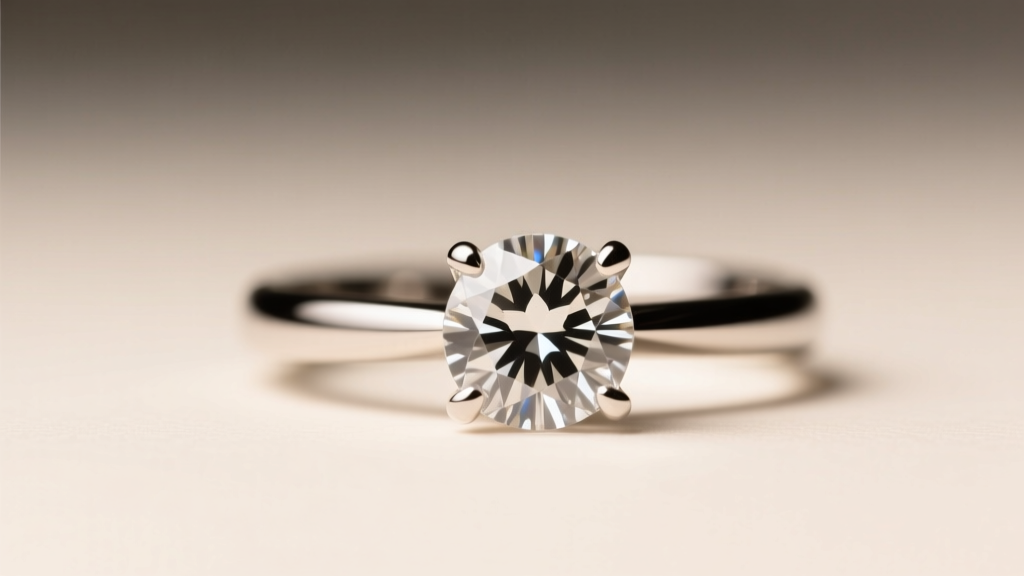 Diamond Inclusions and Blemishes What to Accept
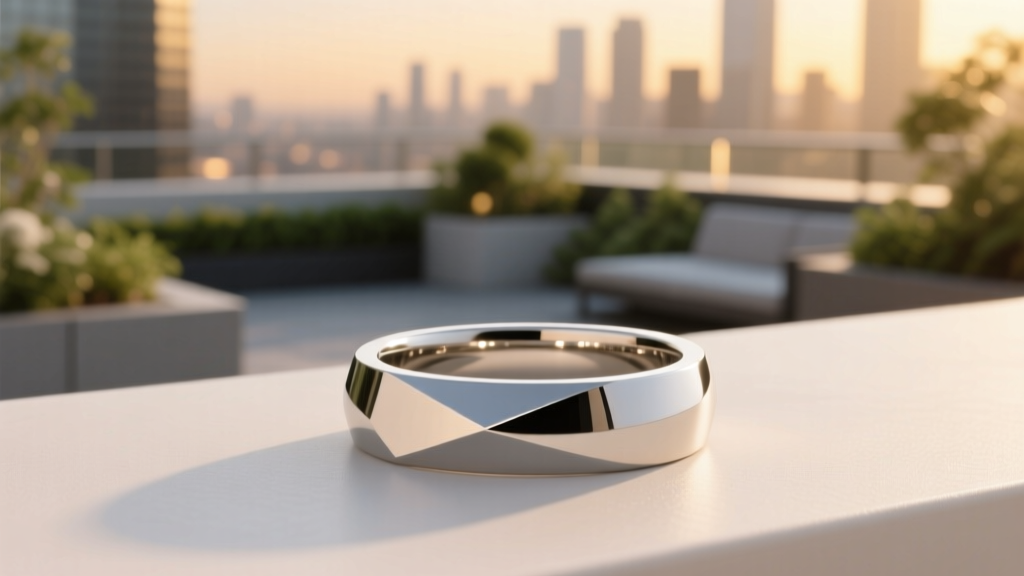 How to Choose a Wedding Band With a Knife Edge Profile
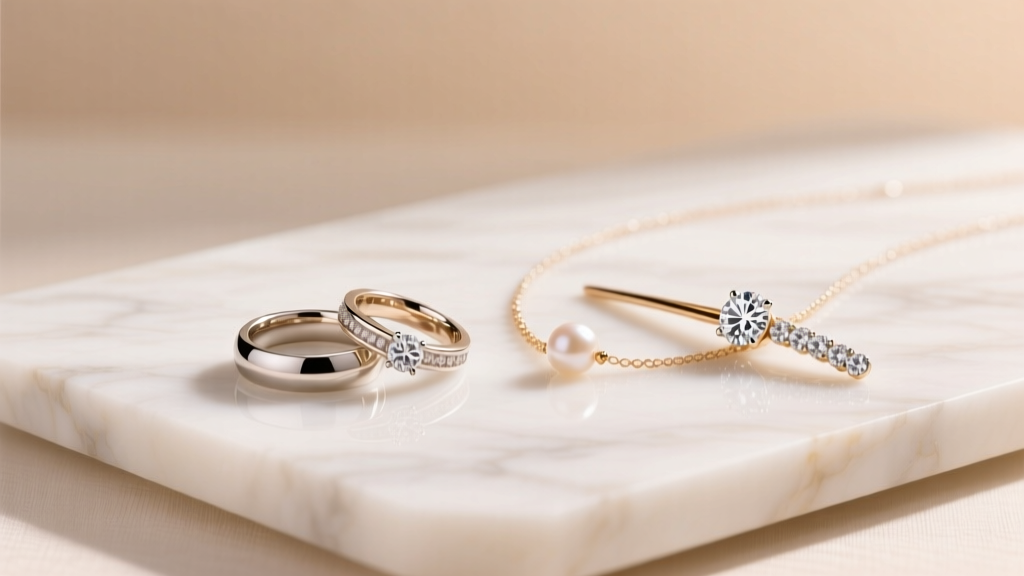 5 Year Anniversary Jewelry Gifts: Sapphire and Wood Ideas
 Polish Wedding Ring at Home: 5 Safe Methods (2026)
 Cheap vs Premium Wedding Venues Compared
 Wedding Ring Stacking Order: Finger Placement Rules (2026)
 Sapphire Engagement Rings: Royal & Modern Appeal
 Wedding Ring Metals: Gold, Silver, Platinum & Rose Gold
 Heather El Moussa’s Wedding Ring: 5-Carat Emerald Cut (2026)
 Wedding Band Matching Rules: What You Really Need to Know