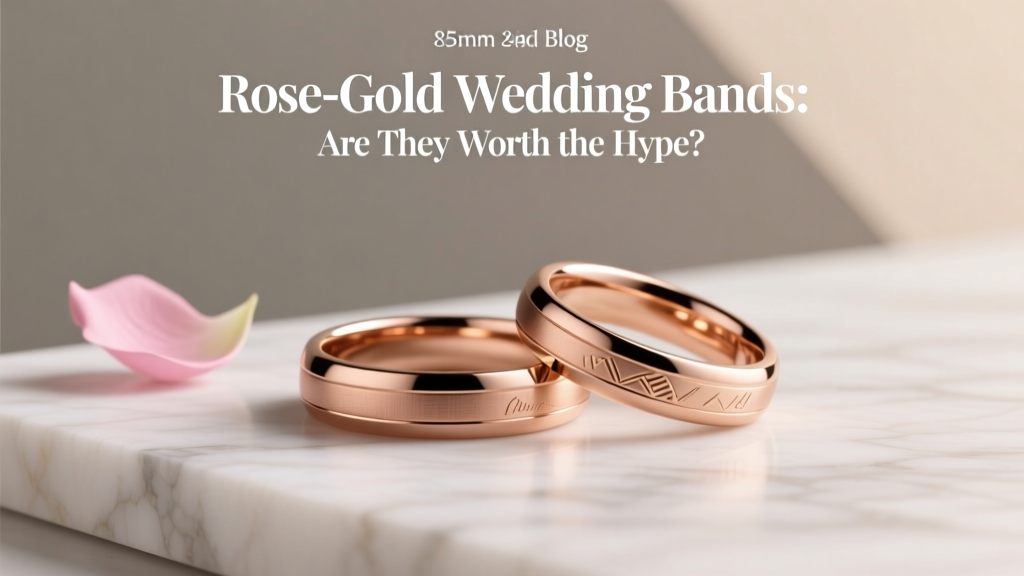
Rose Gold Wedding Bands Are They Worth the Hype
Rose gold wedding bands have gone from “nice alternative” to a top contender for modern couples—especially those who want something romantic, warm-toned, and a little less expected than classic yellow gold or ultra-white platinum. If you’ve been seeing rose gold everywhere (Pinterest boards, celebrity sets, curated ring stacks), you’re not imagining it. The real question is whether rose gold is a smart long-term choice for a ring you’ll wear every day.
The best wedding band isn’t just about color—it’s about durability, skin tone compatibility, lifestyle, maintenance, and how the band will look next to your engagement ring years from now. Rose gold has real advantages, a few quirks, and some quality factors that matter more than couples realize. Here’s how to decide if it’s truly “worth it” for your wedding jewelry.
What Exactly Is Rose Gold?
Rose gold isn’t a naturally occurring pure metal. It’s an alloy: pure gold mixed with copper (and sometimes a small amount of silver or zinc). The copper gives rose gold its signature blush tone and also influences how the metal wears over time.
Rose Gold Karats: 10K vs 14K vs 18K
- 10K rose gold: Lower gold content, higher alloy content. Most durable and budget-friendly, but the color can skew more coppery and less “rosy.”
- 14K rose gold: The most popular choice for rose gold wedding bands. Strong balance of durability, color, and value.
- 18K rose gold: Higher gold content with a richer, slightly softer look. More expensive and generally softer than 14K, though still wearable with the right design.
If you want the rose tone to be noticeable and the band to stand up to daily wear, 14K rose gold is often the sweet spot for couples shopping for engagement rings and wedding bands.
Why Rose Gold Is Trending (and Why It’s Also a Classic)
Rose gold feels current because it pairs beautifully with today’s popular ring styles: delicate bands, mixed-metal stacks, halo settings, oval and pear-shaped diamonds, and minimalist solitaires. But it’s not a new invention—rose gold has deep roots in vintage jewelry, including Victorian and Art Deco-inspired designs. That’s why it works for couples who want something on-trend without looking dated later.
Today’s Rose Gold Wedding Band Trends
- Mixed-metal bridal sets: Rose gold band with a platinum or white gold engagement ring for contrast.
- Stackable wedding bands: Thin rose gold bands worn in multiples (often with pavé or texture).
- Vintage detailing: Milgrain edges, hand engraving, and filigree-inspired patterns.
- East-west settings and fancy shapes: Oval, marquise, and emerald-cut diamonds pop against warm metal.
For a timeless route, couples often choose a classic rose gold half-round or comfort-fit band. It wears well and doesn’t depend on any one trend cycle.
How Rose Gold Compares to Yellow Gold, White Gold, and Platinum
Choosing a precious metal is really choosing a maintenance style, a durability level, and an overall look. Here’s how rose gold wedding bands stack up.
Rose Gold vs Yellow Gold
Look: Yellow gold reads traditional and bright; rose gold reads romantic and softly modern.
Durability: Rose gold is often more durable than yellow gold at the same karat because copper strengthens the alloy.
Best for: Couples who want a warm metal but prefer something less classic than yellow gold.
Rose Gold vs White Gold
Look: White gold looks bright and silvery, but it’s typically rhodium-plated for that high-white finish.
Maintenance: White gold commonly needs rhodium re-plating every 12–24 months depending on wear. Rose gold does not require plating.
Best for: White gold is great for icy, high-contrast sparkle; rose gold is great for a softer, warmer glow.
Rose Gold vs Platinum
Durability: Platinum is very tough and naturally white, but it develops a patina over time (a soft, matte look). Rose gold is durable too, and many people prefer the warm color change-free tone.
Price: Platinum is usually the most expensive option. Rose gold is typically more affordable for similar designs.
Best for: Platinum suits those who want a heavier, premium feel and minimal color warmth; rose gold suits those who want warmth, value, and strength.
Does Rose Gold Flatter Diamonds and Gemstones?
Rose gold can make certain stones look more romantic and can subtly change how a diamond’s color is perceived—especially in settings where the stone picks up reflections from the metal.
Diamonds in Rose Gold: Color and Cut Tips
- Diamond color: Rose gold can make near-colorless diamonds (like G–I) look slightly warmer in some settings, which many couples find flattering. If you want an icier look, consider D–F or use a white gold/platinum head with a rose gold shank.
- Diamond cuts: Rose gold pairs beautifully with oval, round brilliant, cushion, and pear cuts because they throw strong light return and look vibrant against warm metal. Emerald cuts and other step cuts look elegant too, but the overall vibe is more “vintage glam.”
- Settings: A solitaire in rose gold looks clean and modern; a halo looks romantic and vintage-inspired; pavé bands add continuous sparkle but require more maintenance.
Colored Gemstones in Rose Gold
- Morganite: The famous pairing. Gorgeous, but morganite (7.5–8 Mohs) can abrade with daily wear. Choose a protective setting like a bezel or sturdy prongs and plan for periodic repolishing.
- Pink sapphire: A stronger alternative to morganite (9 Mohs). Excellent for everyday wedding bands or engagement rings.
- Moissanite: Bright, fiery, and durable (9.25 Mohs). Rose gold gives it a warm, romantic tone without sacrificing sparkle.
- Champagne diamonds: Rose gold enhances warm diamond hues for a cohesive, vintage look.
Quality Factors That Matter for Rose Gold Wedding Bands
Alloy Mix and “Too-Red” Rose Gold
Not all rose gold is the same shade. Some alloys lean peachy, others lean copper-red. If you’re matching an engagement ring and wedding band, confirm both pieces are the same karat and ideally from the same jeweler or alloy source.
Band Width, Thickness, and Comfort Fit
- 2mm–3mm: Popular for delicate stacks and pairing with thin engagement rings.
- 4mm–6mm: Classic everyday widths, common for men’s wedding bands and bolder looks.
- Comfort fit: Rounded interior edges reduce pressure and feel smoother, especially in wider bands.
For longevity, avoid ultra-thin bands if you work with your hands or plan to wear your ring daily. Thin can be elegant, but too thin can bend over time.
Craftsmanship Details: Prongs, Pavé, and Finishes
- Pavé and micro-pavé: Look stunning, but check for even beadwork, secure stones, and a reputable setting style. Micro-pavé is more delicate and may need maintenance if worn hard.
- High polish vs matte: High polish shows scratches sooner; matte or brushed finishes hide daily wear better but may need refinishing to keep the texture crisp.
- Engraving and milgrain: Beautiful, timeless details—just plan for occasional touch-ups if the details soften over years of wear.
Price Range and Value Tips
Rose gold wedding band pricing depends on gold karat, weight, width, brand, and any diamonds or gemstones. As a general guide:
- Plain rose gold band (10K–14K, 2–4mm): Often starts around $200–$800, depending on weight and craftsmanship.
- Comfort-fit or heavier band (4–6mm): Commonly $600–$1,500+.
- Pavé diamond rose gold wedding band: Frequently $800–$3,000+, depending on total carat weight and diamond quality.
- Custom or vintage-style engraving: May add $200–$1,000+ depending on handwork and complexity.
How to Get Better Value
- Prioritize metal weight for a plain band. A slightly heavier band usually lasts longer and feels more substantial.
- Choose 14K for the best balance of durability and rich color for most lifestyles.
- For diamond bands, focus on cut and setting security over ultra-high clarity grades. Well-cut small diamonds sparkle beautifully even at VS/SI clarity.
- Consider lab-grown diamonds for pavé or eternity styles if you want more sparkle for your budget.
Practical Buying Tips for Rose Gold Wedding Bands
Match (or Intentionally Contrast) Your Engagement Ring
If your engagement ring is rose gold, matching is straightforward—just align karat and shade. If your engagement ring is white gold or platinum, mixed-metal sets are very on-trend. Many couples love a rose gold wedding band next to a white metal engagement ring because it creates a clean, modern contrast.
Think About Your Lifestyle
- Active, hands-on jobs or hobbies: Consider a comfort-fit plain band, a lower profile, or a bezel-set accent style.
- Frequent glove use: Avoid tall settings or sharp edges that catch.
- Daily stacking: Choose a finish that suits wear patterns; brushed finishes can hide micro-scratches from ring-to-ring contact.
Check Return/Resize Policies
Rose gold can be resized, but pavé or eternity bands may have limitations. Before buying, confirm whether resizing is included, how many days you have to exchange, and whether custom engraving affects returns.
Care and Maintenance: Keeping Rose Gold Looking Its Best
- Cleaning at home: Use warm water, mild dish soap, and a soft toothbrush. Rinse well and dry with a lint-free cloth.
- Avoid harsh chemicals: Chlorine, bleach, and some cleaning agents can stress alloys and dull finishes.
- Remove for heavy activity: Weightlifting, home renovations, and gardening can dent metal and loosen small stones.
- Store smart: Keep your wedding band in a soft pouch or separate compartment to avoid scratches from other jewelry.
- Professional checkups: If your band has diamonds or gemstones, have prongs and pavé inspected about once a year.
Scratches are normal on all precious metals. A jeweler can restore shine with polishing, or refresh brushed/matte finishes when needed.
Common Mistakes Couples Make with Rose Gold Wedding Bands
- Assuming all rose gold matches: Different alloy mixes mean different shades. Match karat and source when possible.
- Choosing ultra-thin bands for daily wear: Delicate is beautiful, but too thin can bend or wear down faster—especially in soft 18K.
- Overlooking the setting style: Micro-pavé looks incredible but needs a lifestyle match and routine maintenance.
- Not considering diamond color reflection: If you want a cooler diamond look, use a white metal head or choose a higher color grade.
- Buying purely for trend appeal: Trends should support your style, not override comfort and durability.
FAQ: Rose Gold Wedding Bands
Do rose gold wedding bands fade or change color?
Rose gold doesn’t “fade” like a plating can. Its color comes from the alloy blend throughout the metal. It may develop a softer patina and surface scratches over time, but the underlying color remains consistent.
Is rose gold durable enough for everyday wear?
Yes—especially 14K rose gold, which is typically quite durable due to copper content. The best durability also depends on band thickness, design, and whether it has delicate pavé stones.
Can rose gold cause skin reactions?
Some people are sensitive to certain alloys. Rose gold contains copper, and some rose gold alloys may include small amounts of nickel (less common today). If you have metal sensitivities, ask for a nickel-free alloy option.
Does rose gold look good with a white gold or platinum engagement ring?
It can look fantastic. Mixed-metal wedding sets are a current jewelry trend that also reads timeless when done simply—like a clean rose gold band next to a solitaire in white metal.
What’s the best finish for a rose gold wedding band?
High polish gives the most glow and a classic jewelry look. Brushed or matte finishes are popular for a modern style and can hide everyday scratches better. Choose based on how you feel about visible wear.
Are rose gold diamond bands harder to maintain?
The metal itself is easy, but diamond bands (especially pavé and eternity styles) need routine checks to ensure stones remain secure. A yearly inspection is a smart habit.
Are Rose Gold Wedding Bands Worth the Hype?
For many couples, yes—rose gold wedding bands offer a rare combination of romance, versatility, and durability, with a look that works equally well for modern minimalist rings and vintage-inspired bridal sets. If you want a warm metal that stands out without feeling flashy, 14K rose gold is a confident, everyday-friendly choice. Prioritize quality craftsmanship, choose a band thickness that fits your lifestyle, and be intentional about how your wedding band pairs with your engagement ring.
If you’re still comparing metals, settings, or bridal set styles, explore more jewelry guides on weddingsift.com to help you choose a wedding band you’ll love wearing for the long run.
More Articles
 Amethyst Engagement Rings February Birthstone Beauty
 What Is a Wedding Ring and Why Does It Really Matter
 De Beers Wedding Rings: Real Value & 5 Better Alternatives
 How Much Is an Old Wedding Ring Worth? (2026)
 Wedding Ring Cleaning Frequency: Science-Backed Guide
 Diamond Color Scale What Grade Should You Choose
 Best Places to Find Artisan Wedding Bands
 Wedding Ring Set Styling: Fit, Care & Stack Tips (2026)
 How to Choose a Wedding Band With a Matte Finish
 Do Men Wear Engagement Rings Before Marriage?