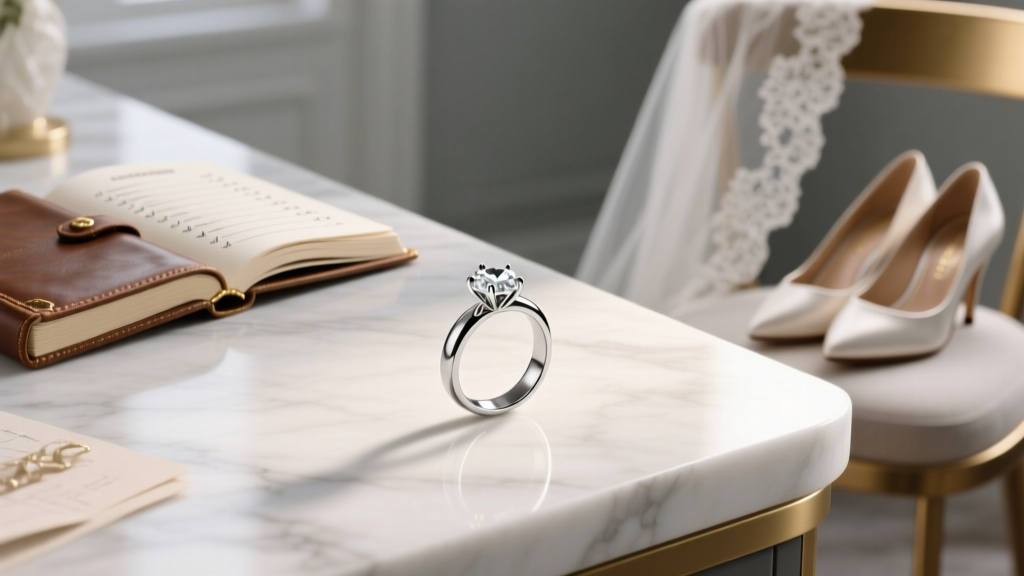
How to Choose a Ring With the Right Diamond Clarity
Diamond clarity can feel like the most confusing part of engagement ring shopping. Carat is easy to picture, cut has sparkle you can see, and color has a grading scale most people understand quickly. Clarity, though, lives in the fine print—tiny marks you can’t always spot, graded under magnification, and priced as if every microscopic detail matters equally.
Here’s the truth couples deserve to hear: the “right” diamond clarity is rarely the highest clarity you can afford. It’s the clarity that looks clean to the eye, suits your chosen ring setting, and makes smart use of your budget so you can prioritize the things that change the look of your ring every day—cut quality, shape, and overall design.
This guide breaks down diamond clarity grades in plain language, explains what actually affects appearance, and helps you choose an engagement ring or wedding band that’s beautiful, durable, and worth the investment.
What Diamond Clarity Means (and What It Doesn’t)
Diamond clarity measures the presence of inclusions (internal characteristics) and blemishes (surface characteristics). These are natural results of diamond formation or, less often, features from the cutting process. Clarity does not measure sparkle, brilliance, or fire—that’s primarily driven by cut quality.
How Clarity Is Graded
Most diamonds are graded using the GIA (Gemological Institute of America) clarity scale, viewed under 10x magnification by a trained grader. Grades typically include:
- FL/IF (Flawless / Internally Flawless): No inclusions visible at 10x (IF may have tiny surface blemishes).
- VVS1/VVS2: Very, very slightly included; inclusions are extremely difficult to see at 10x.
- VS1/VS2: Very slightly included; minor inclusions visible at 10x.
- SI1/SI2: Slightly included; inclusions are noticeable at 10x and may be visible to the naked eye depending on the stone.
- I1/I2/I3: Included; inclusions are obvious, may affect transparency and durability.
“Eye-Clean” vs. “High Clarity”
Many couples shop for an eye-clean diamond—one that looks clean from a normal viewing distance (about 6–12 inches) without magnification. An eye-clean diamond can be VS2, SI1, or even SI2 depending on the diamond’s size, shape, and the type and location of inclusions.
Which Clarity Grade Is Best for Engagement Rings?
For most engagement rings, the sweet spot is VS2 to SI1. These grades often look clean in real life, especially in stones under 2.00 carats, while leaving more budget for an excellent cut, a larger carat size, or a higher color grade if that matters to you.
Recommended Clarity by Diamond Size
- 0.50–1.00 ct: VS2 or SI1 often looks eye-clean; prioritize cut for maximum sparkle.
- 1.00–2.00 ct: VS2 is a reliable choice; SI1 can be eye-clean if inclusions are well-placed.
- 2.00 ct and up: Consider VS2 or VS1; larger diamonds make inclusions easier to spot.
Recommended Clarity by Diamond Shape
Different cuts hide (or reveal) inclusions differently. If you’re choosing a popular engagement ring shape, use these guidelines:
- Round brilliant: Best at masking inclusions due to intense sparkle. Eye-clean SI1 is often a great value.
- Oval, pear, marquise: These “stretched” shapes can show inclusions more easily in the center (the “bow-tie” area can also affect appearance). VS2 or clean SI1 is usually safest.
- Princess: Bright sparkle helps, but inclusions near corners matter because corners are vulnerable. Aim for VS2–SI1 and protect corners with a V-prong setting.
- Emerald and Asscher: Step cuts act like windows—clarity is more visible. Many couples prefer VS1–VS2, sometimes even VVS if they’re highly clarity-sensitive.
- Cushion and radiant: Mixed faceting can hide inclusions well. SI1 or VS2 often works beautifully.
Inclusions That Matter Most (and Which Ones Don’t)
Two diamonds can share the same clarity grade and look completely different. What matters is the type, size, color, and location of inclusions.
More Noticeable Inclusions
- Black crystals or carbon spots: Can be visible face-up, especially near the center.
- Large feathers: If they reach the surface or sit near an edge, they can affect durability.
- Clouds that cause haziness: Some clouds reduce transparency, making the diamond look dull (even at higher clarity grades in rare cases).
Often Less Concerning
- White feathers that are small and off to the side.
- Pinpoints or tiny internal dots scattered lightly.
- Inclusions near the girdle (the diamond’s edge) that can be covered by prongs or a bezel—assuming they don’t create structural risk.
How Settings and Metal Choices Affect Clarity Needs
Your ring setting and metal can either highlight clarity or help you get away with a lower clarity grade while still looking flawless on the hand.
Settings That Hide Inclusions
- Bezel settings: A metal rim surrounds the diamond, concealing edge inclusions and offering excellent protection—perfect for active lifestyles and minimalist trends.
- Halo settings: Surrounding melee diamonds add sparkle and distract from minor inclusions in the center stone.
- Prong settings: Strategic prong placement can cover inclusions near the girdle. Four-prong and six-prong solitaires are timeless classics.
Settings That Reveal More
- Solitaire with an open gallery: Gorgeous and classic, but it draws attention to the center stone—choose a reliably eye-clean clarity.
- Step-cut solitaires (emerald/Asscher): Because the facets act like mirrors, clarity stands out more.
Metal Color and Its Visual Impact
- Platinum and white gold: Crisp, modern, and popular in contemporary engagement ring trends. They emphasize a bright, clean look—great for near-colorless diamonds and eye-clean clarity.
- Yellow gold: A timeless classic that’s trending again in vintage-inspired rings. Yellow gold can make warmer diamonds feel intentional and romantic; clarity still matters, but color contrast can subtly shift attention away from tiny inclusions.
- Rose gold: Soft, romantic, and flattering on many skin tones. Pair it with a well-cut diamond for maximum sparkle; clarity needs depend more on the diamond shape and setting than on the metal.
Clarity vs. Cut: Where to Spend for the Best Sparkle
If you’re choosing between a higher clarity diamond and a better cut, choose the best cut quality you can. A well-cut diamond returns light more efficiently, creating brilliance and fire that makes minor inclusions harder to notice. For round diamonds, look for an Excellent cut grade (GIA) or equivalent, and confirm strong symmetry and polish as well.
For fancy shapes (oval, pear, emerald, cushion), cut quality isn’t summarized with a single GIA cut grade in the same way. In those cases, rely on:
- High-quality photos and videos
- Trusted vendor reviews
- A clear return policy
- Advice from a jeweler who can evaluate light performance and inclusion visibility
Price Range Considerations and Value Tips
Clarity has a real price impact, but not every jump is worth paying for—especially when the difference is only visible under 10x magnification.
Where the Price Jumps Happen
- SI2 to SI1: Often a noticeable improvement in eye-clean potential, especially around 1.00 ct and above.
- SI1 to VS2: A common value step—many shoppers find VS2 gives peace of mind without the steep premium.
- VS to VVS: Significant premium for details most people won’t see without a loupe.
- VVS to IF/FL: Prestige pricing; chosen for rarity more than everyday appearance.
Best Value Clarity Choices
- Round brilliant: Eye-clean SI1 or VS2 often offers the best engagement ring value.
- Step cuts: VS2 is a strong balance; consider VS1 if you’re very clarity-sensitive.
- Budget-focused: A carefully vetted SI2 can work if it’s truly eye-clean and doesn’t create haziness—always confirm with detailed media.
Practical Buying Tips for Choosing the Right Clarity
- Ask for “eye-clean” standards: Confirm the viewing distance and lighting conditions used. “Eye-clean” can mean different things to different sellers.
- Check the clarity plot and notes: A grading report shows where inclusions sit. Center inclusions are more visible than those near the edge.
- Request high-resolution video: Rotate the diamond to see whether inclusions flash or disappear with sparkle.
- Match clarity to setting: If you’re choosing a bezel or halo, you can often save on clarity. For an open solitaire, be stricter.
- Prioritize durability: Avoid inclusions that threaten edges or corners (especially for princess, pear, and marquise shapes).
- Choose certified diamonds: Look for GIA or AGS documentation (AGS reports are now issued through GIA for many grading services). Certification adds confidence when comparing clarity grades.
Care and Maintenance: Keeping a Diamond Looking Clean
Even a flawless diamond won’t look brilliant under a layer of lotion, soap film, or everyday oils. Clarity grades don’t protect against smudges—maintenance does.
At-Home Cleaning
- Soak the ring in warm water with a few drops of mild dish soap for 15–20 minutes.
- Gently brush with a soft toothbrush, focusing under the setting where residue collects.
- Rinse thoroughly and pat dry with a lint-free cloth.
Professional Maintenance
- Prong checks: Every 6–12 months, especially for prong settings and daily wear rings.
- Deep cleaning: Jewelers can use ultrasonic or steam cleaning when appropriate for your setting and any accent stones.
- Re-polishing metal: Platinum, white gold, yellow gold, and rose gold can all benefit from periodic refinishing to keep a wedding set looking new.
Common Mistakes to Avoid When Shopping for Diamond Clarity
- Overpaying for clarity you can’t see: VVS and IF are stunning on paper, but many couples prefer to put that budget into a bigger carat or better cut.
- Ignoring cut quality: A higher-clarity diamond with a mediocre cut can look less lively than a well-cut VS2 or SI1.
- Buying SI2 sight-unseen: Some SI2 diamonds are eye-clean; many aren’t. Always vet with clear media and a strong return policy.
- Not considering the diamond shape: Step cuts reveal inclusions; brilliant cuts hide them better.
- Forgetting durability at corners and edges: A feather near the point of a pear-shaped diamond matters more than a tiny inclusion under a prong.
- Relying on store lighting: Jewelry store spotlights can make almost anything sparkle. Ask to see the diamond in neutral lighting or review videos in everyday lighting conditions.
FAQ: Diamond Clarity for Engagement Rings and Wedding Jewelry
What clarity grade is best for an engagement ring?
For most couples, VS2 or SI1 hits the ideal balance of beauty and value. If you’re choosing an emerald cut or Asscher cut, consider VS1–VS2 for a cleaner “window-like” look.
Can an SI1 diamond be eye-clean?
Yes. Many SI1 diamonds look clean to the naked eye, especially in round brilliant cuts under about 2.00 carats. Ask for confirmation of eye-clean status and review clear videos.
Is VVS clarity worth it?
VVS diamonds are exceptionally pure, but the premium is usually for rarity rather than visible beauty. If your goal is the best-looking ring on a budget, upgrading cut (or size) typically delivers more impact than upgrading from VS to VVS.
Do inclusions affect durability?
They can. Inclusions like large feathers that reach the surface, or inclusions near corners/edges, may increase the risk of chipping—especially in shapes with points (pear, marquise) or corners (princess). A protective setting and a careful clarity choice reduce that risk.
Does diamond clarity matter more in certain settings?
Yes. Open solitaire engagement rings and step-cut designs show more of the diamond, so eye-clean clarity becomes more important. Bezel and halo settings can disguise minor inclusions and often allow you to choose a lower clarity without sacrificing appearance.
Should wedding bands match the engagement ring’s diamond clarity?
Not necessarily. Many wedding bands use small accent diamonds (melee) where clarity is less noticeable. Focus on overall sparkle, secure setting work, and matching metal color and style for a cohesive bridal set.
Choosing Your “Right” Clarity: A Confident Approach
Start by picking your diamond shape and ring setting—then choose a clarity grade that looks clean in real life. For most engagement rings, VS2 or SI1 offers the best balance of beauty, durability, and value, while step cuts often benefit from VS1–VS2. Put the rest of your budget where it shows most: a high-performing cut, a flattering carat size, and a setting crafted for secure daily wear.
If you’re ready to keep comparing smartly, explore more engagement ring and wedding band guides on weddingsift.com to find the right balance of diamond quality, metal choice, and timeless style.
More Articles
 Wedding Band Matching: Couple Guide
 Silver Wedding Rings: Risks & Better Alternatives
 How to Choose a Wedding Band With an Inlaid Design
 Best Metal Colors for Wedding Jewelry
 Men's Wedding Bands Materials and Styles Compared
 Wood Inlay Wedding Bands Natural and Organic
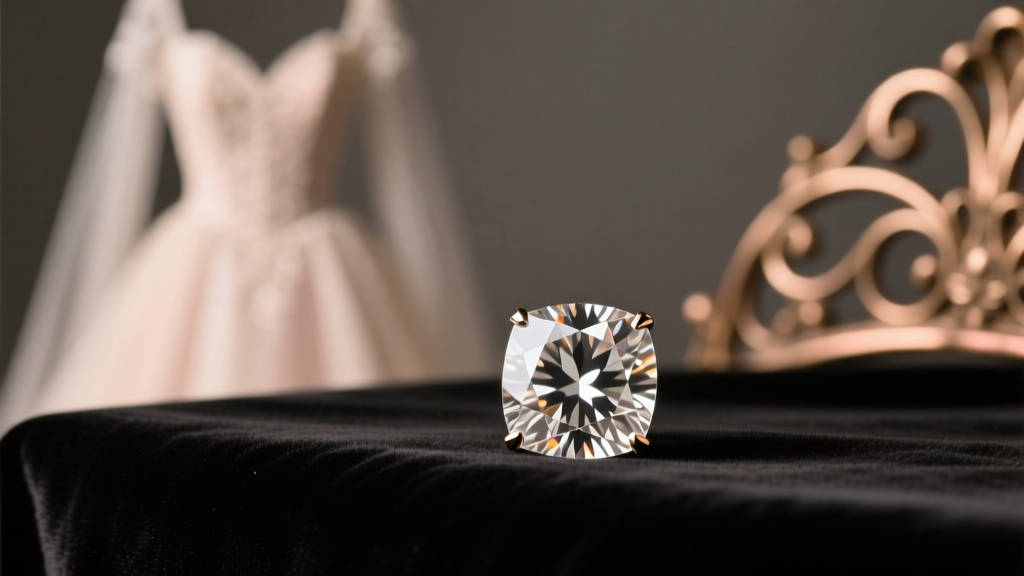 Cushion Cut Diamonds Vintage Appeal and Brilliance
 How to Match Ring with Wedding Attire
 Lab-Grown vs Natural Diamonds: 2026 Comparison
 Heart-Shaped Diamonds Romantic and Unique