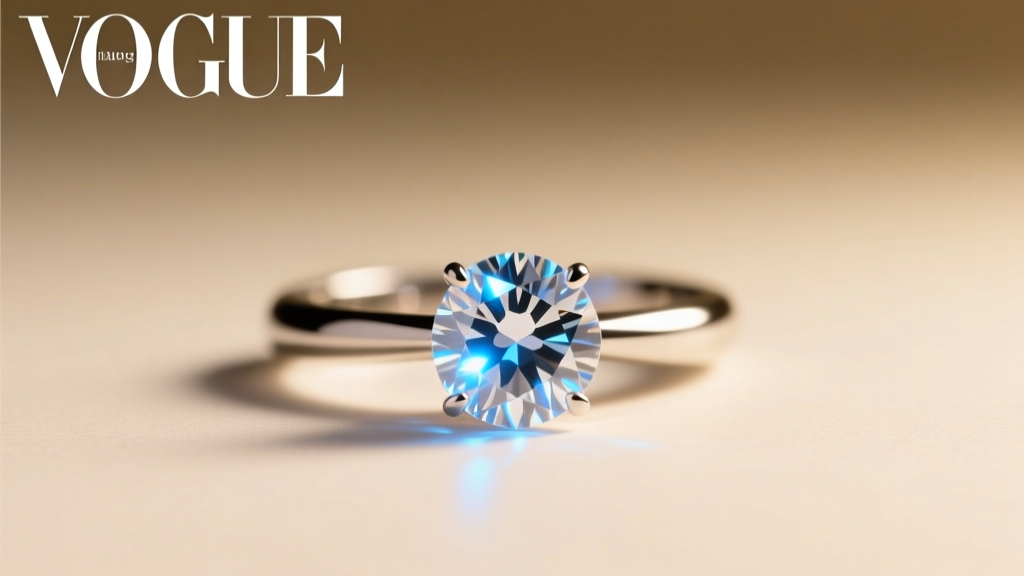
Diamond Fluorescence What You Need to Know
When you’re shopping for an engagement ring or wedding band, it’s easy to focus on the “big” specs—carat weight, cut, color, and clarity. Then you open a diamond grading report and see a line called fluorescence. Some shoppers panic, others ignore it, and many assume it’s either a flaw or a secret value hack.
Diamond fluorescence isn’t a gimmick, and it isn’t automatically good or bad. It’s one of those quality factors that only matters in certain combinations—and understanding those combinations can help you choose a diamond that looks stunning in everyday life (sunlight, office lighting, dinner dates) while staying aligned with your budget.
This guide explains what fluorescence is, how it affects appearance and price, and how to make a confident choice for timeless classics like round solitaires and modern favorites like oval and elongated radiant engagement rings.
What Is Diamond Fluorescence?
Fluorescence is a diamond’s tendency to emit a visible glow—usually blue—when exposed to ultraviolet (UV) light. UV is present in sunlight and in some indoor lighting. The glow is not “painted on” or added; it’s a natural reaction caused by trace elements and structural features in some diamonds.
Common Fluorescence Colors
- Blue (most common)
- Yellow
- White
- Green
- Orange (rare)
Blue fluorescence is the one you’ll see most often on grading reports and in shopping filters. It’s also the one that can sometimes interact with a diamond’s body color in a way that affects how “white” it looks.
How Fluorescence Is Graded (GIA/IGI Terms)
Most reputable diamond grading labs describe fluorescence by intensity. On a report from GIA or IGI, you’ll typically see:
- None – no observable fluorescence
- Faint – slight fluorescence under UV
- Medium
- Strong
- Very Strong
These grades are based on controlled lab conditions, not necessarily how you’ll perceive the diamond day to day. Many diamonds with faint or medium fluorescence look identical to non-fluorescent diamonds in normal indoor lighting.
Does Fluorescence Make a Diamond Look Better or Worse?
The honest jeweler answer: sometimes. Fluorescence can be a neutral trait, a minor appearance benefit, or—more rarely—a drawback.
When Fluorescence Can Be a Plus
Blue fluorescence can make some diamonds appear slightly whiter in sunlight, especially if the diamond has a warmer body color. That’s because blue is opposite yellow on the color spectrum.
This can be appealing if you’re shopping for a value-friendly diamond in the G–J color range and you want a bright, crisp look without paying for D–F color.
When Fluorescence Can Be a Minus (The “Hazy” Concern)
A small percentage of diamonds with strong or very strong fluorescence can appear milky, oily, or hazy in certain lighting—not because they glow, but because the internal structure that causes fluorescence can sometimes scatter light and reduce crispness.
Key point: this is not guaranteed. Many strongly fluorescent diamonds are perfectly transparent and beautiful. The risk is simply higher, so you want to verify appearance carefully.
Will My Diamond Glow Blue All the Time?
No. Fluorescence is typically noticeable under UV-rich environments (direct sunlight, black lights, some LEDs). In most indoor settings—restaurants, offices, home lighting—it’s minimal or not visible.
Fluorescence vs. the 4Cs: How It Interacts with Cut, Color, and Clarity
Couples shopping for engagement rings should think of fluorescence as a “modifier” that matters most when paired with certain choices in the 4Cs.
Cut: The Priority for Sparkle
Cut quality drives brilliance, fire, and scintillation. A well-cut round brilliant or oval diamond will look lively and bright regardless of fluorescence level. If you’re trying to maximize beauty, prioritize an excellent-performing cut (for fancy shapes, look for strong light return in videos and images, not just a label).
Color: Where Fluorescence Matters Most
- D–F (colorless): Fluorescence usually offers no visual benefit and may slightly reduce market value. Many shoppers prefer none or faint here.
- G–I (near colorless): Faint to medium fluorescence is often a sweet spot—can appear bright, sometimes slightly whiter in sunlight.
- J and lower (warmer): Medium to strong blue fluorescence can help counter warmth, especially in white metal settings.
Clarity: Don’t Overpay—Match to Your Setting
Fluorescence is separate from clarity, but they can compound your shopping decisions. For many engagement ring styles, an eye-clean SI1 or SI2 can be a smart value. If you’re already choosing a budget-friendly clarity, don’t automatically assume you must avoid fluorescence—just confirm the diamond remains crisp and not cloudy.
Fluorescence and Engagement Ring Style: Metal, Setting, and Cut Choices
Your ring’s design affects how you perceive diamond color and brightness, which in turn affects how helpful (or irrelevant) fluorescence is.
Metal Choice: Platinum, White Gold, Yellow Gold, Rose Gold
- Platinum: Naturally white, durable, and popular for timeless solitaire engagement rings. Pairs well with G–I diamonds; faint/medium fluorescence can be a value-friendly option.
- 14K/18K White Gold: Classic and bright. Similar pairing logic to platinum, but remember rhodium plating maintenance for that crisp white finish.
- Yellow Gold: Trending strongly in modern bridal jewelry and also a true classic. Yellow gold “warms up” the overall look, so fluorescence is less of a deciding factor unless you’re sensitive to color contrast at the center stone.
- Rose Gold: Romantic and on-trend. Like yellow gold, it can make warmer diamonds look intentional and harmonious.
Setting Styles: Solitaire, Halo, Pavé, Bezel
- Solitaire: The diamond is the star. If you choose strong fluorescence, view videos in multiple lighting conditions to ensure it stays crisp.
- Halo: Small accent diamonds (often near-colorless) can make the center look warmer by comparison. Medium blue fluorescence can help a slightly warm center stone look brighter in daylight.
- Pavé: Micro-set diamonds add sparkle but require good craftsmanship and routine checks. Fluorescence in the center stone matters more than in tiny accents.
- Bezel: Sleek, secure, and a trend-forward choice. A full bezel can make a diamond appear slightly smaller and sometimes emphasize color; fluorescence can be a helpful “balancer” for warmer grades.
Popular Cuts and Fluorescence Considerations
- Round brilliant: Most forgiving and consistently bright. Fluorescence rarely changes the look unless it’s strong/very strong and the stone is hazy.
- Oval: Very popular trend cut. Ovals can show a “bow-tie” shadow; prioritize cutting and video review first, then evaluate fluorescence.
- Emerald cut: Timeless and elegant, but more “window-like,” so transparency matters. Be cautious with strong fluorescence—verify no milkiness.
- Radiant / Cushion: Sparkly fancy shapes that can hide minor inclusions well. Fluorescence is often neutral here unless very strong.
Buying Tips: How to Choose the Right Fluorescence Level
Use This Simple Fluorescence Shortcut
- D–F color: Prefer None to Faint (unless pricing is exceptional and appearance is verified)
- G–I color: Faint to Medium is often a strong value choice
- J+ color: Consider Medium to Strong if it improves face-up whiteness and remains clear
Ask for the Right Proof
When shopping online for a diamond engagement ring, don’t rely on the word “fluorescent” alone. Request or look for:
- High-resolution video in neutral lighting
- Confirmation of transparency (no haziness/milkiness)
- Lab report details from GIA or IGI
- Return/inspection policy so you can view it in sunlight and indoor light
Price and Value: Does Fluorescence Affect Diamond Cost?
Yes. Fluorescence can influence market pricing, and that can work in your favor.
- Colorless diamonds (D–F) with medium to very strong fluorescence often sell for less than comparable non-fluorescent stones because some buyers avoid it.
- Near-colorless diamonds (G–I) with faint to medium fluorescence can be an excellent value, often with little to no visible difference in normal wear.
For couples balancing budget and beauty, fluorescence can be a smart way to put more toward what you actually see: a larger carat size, a better cut, or a handcrafted setting in platinum or 18K gold.
Where Your Money Shows Most
If you want the best-looking engagement ring for the price, invest in:
- Cut quality (especially for round brilliant)
- Secure, precise setting work (prongs, pavé alignment, symmetry)
- Metal choice that fits lifestyle (platinum for durability, 14K gold for strength and value)
Care and Maintenance: Will Fluorescence Change Over Time?
Fluorescence does not “wear out.” It’s part of the diamond’s natural structure and remains stable.
Everyday Care for Engagement Rings and Wedding Bands
- Clean regularly with warm water, mild dish soap, and a soft toothbrush.
- Avoid harsh chemicals (chlorine, bleach) that can damage gold alloys or loosen settings over time.
- Schedule professional checks every 6–12 months, especially for pavé and halo settings.
- Store your diamond ring separately to prevent scratching other jewelry (diamonds can scratch other stones and metals).
If you’re ever unsure whether your diamond looks cloudy, a professional cleaning and inspection can help separate “needs cleaning” from a true transparency issue.
Common Mistakes to Avoid When Shopping for Fluorescent Diamonds
- Assuming fluorescence is always bad: Many fluorescent diamonds are bright, beautiful, and a strong value.
- Overbuying color while underbuying cut: A D-color with average cut will look less lively than a well-cut G or H.
- Ignoring transparency in strong fluorescence: If fluorescence is strong/very strong, confirm the diamond is not hazy in real lighting.
- Matching the wrong metal to your color goals: Yellow or rose gold can make warmth look intentional; platinum/white gold emphasizes a whiter look.
- Forgetting lifestyle: A delicate pavé engagement ring needs more maintenance than a classic solitaire or bezel.
FAQ: Diamond Fluorescence
Is diamond fluorescence a flaw?
No. It’s a natural characteristic. In many cases it has no visible effect, and sometimes it can make a near-colorless diamond look slightly brighter in sunlight.
Should I avoid strong fluorescence for an engagement ring?
Not automatically. Strong fluorescence is worth extra scrutiny because a small percentage can look hazy. If the diamond remains crisp and transparent in videos and sunlight, it can be a great value.
Does fluorescence make a diamond look blue?
Only under UV-rich lighting conditions. In most indoor environments, the effect is minimal or invisible.
What fluorescence is best for a G or H color diamond?
Faint to medium blue fluorescence is often a smart choice for G/H diamonds—potentially improving perceived whiteness in daylight while keeping pricing competitive.
Does fluorescence affect resale value?
It can. Some buyers prefer “none,” especially in D–F colors, so fluorescent diamonds may trade at a discount. That discount can also benefit you at purchase time.
Can fluorescence help a warm diamond look whiter in yellow gold?
It can, but yellow gold already introduces warmth around the stone. Fluorescence is usually more noticeable as a “whitening” effect when the diamond is set in platinum or white gold.
Next Steps: Choosing a Diamond You’ll Love for Life
For most couples shopping for engagement rings and wedding bands, fluorescence is a “nice to understand” detail rather than a dealbreaker. Start with a beautifully cut diamond, choose a setting that fits your style (timeless solitaire, modern bezel, vintage-inspired halo), then use fluorescence strategically—especially if it helps you get better value without sacrificing the look you want.
If you’re comparing diamonds side by side, view them in multiple lighting conditions and prioritize what your eyes love: brightness, crispness, and balance with your chosen metal and setting. Explore more practical bridal jewelry guides, diamond tips, and engagement ring education on weddingsift.com.
More Articles
 How to Choose an Engagement Ring With an East-West Setting
 Wedding Band Trends That Are Dominating in 2026
 Is Zirconium Good for Wedding Rings? (2026)
 How to Choose the Perfect Engagement Ring for Her
 Can You Resize a Wedding Ring Bigger? (2026)
 How to Get Off a Stuck Wedding Ring Without Panic
 The Practical Engagement Ring Buying Guide: Metal, Stone, Fit & Ethics Explained
 Artisan Wedding Bands: 7 Handcrafted Sources (2026)
 Smart Ring on Wedding Finger: Truth & Trade-Offs
 Gold in Men’s Wedding Rings: Karat, Weight & Price (2026)