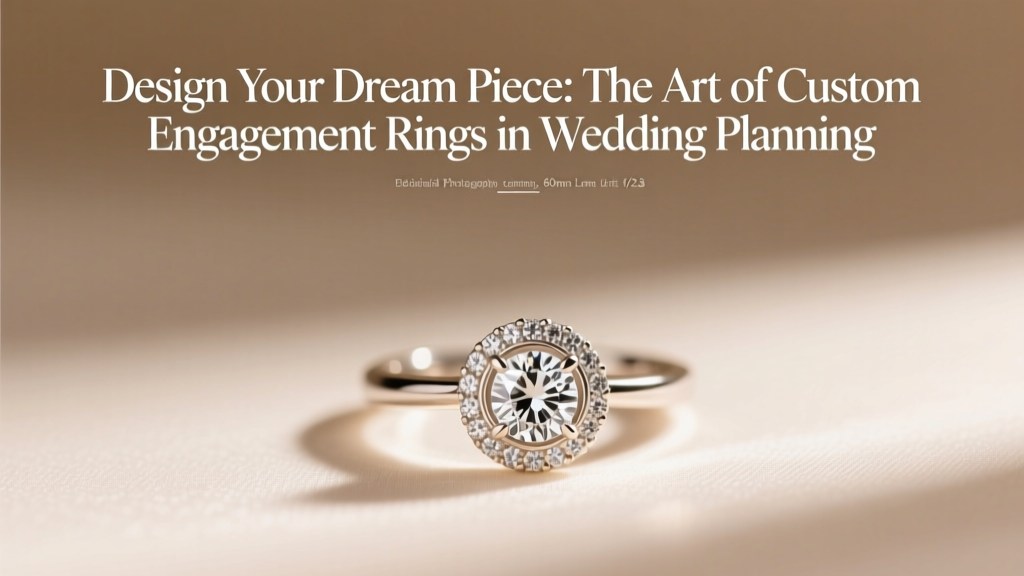
Custom Engagement Rings Design Your Dream Piece
A custom engagement ring is more than a pretty setting and a sparkling stone—it’s a wearable story. For many couples, the ring becomes the most meaningful piece of jewelry they’ll ever own, worn daily through every season of life. Choosing a custom engagement ring lets you shape that story with intention, from the center stone’s cut and color to the setting details that make the ring unmistakably “yours.”
Custom doesn’t have to mean complicated or out of reach. Today, many jewelers offer flexible design paths: tweaking an existing style, building a ring around a family heirloom diamond, or creating something completely one-of-a-kind. Whether you’re drawn to current engagement ring trends like oval diamonds and hidden halos, or you prefer timeless classics like a round brilliant solitaire, a well-planned custom process can give you a dream ring with the right balance of beauty, durability, and value.
What “Custom” Really Means (and Which Option Fits You)
Custom engagement rings generally fall into three categories. Knowing the difference helps you set expectations for timeline, budget, and design freedom.
1) Semi-Custom (Modify a Setting)
You start with an existing setting and adjust details such as metal type, prong style, band width, accent stones, or a hidden halo. This is usually the fastest and most budget-friendly route while still feeling personal.
2) Custom Build (New Design from Scratch)
A jeweler creates a ring based on your references and specifications, often with CAD (computer-aided design) renderings and wax/resin models. This option offers the most creative control and works well for unique settings, mixed shapes, or meaningful design motifs.
3) Heirloom Redesign (Reset a Family Stone)
You use a family diamond or gemstone and build a fresh setting around it. This is a popular option for couples who want sentimental value with a modern silhouette. A skilled jeweler will evaluate the stone’s condition, proportions, and durability before resetting.
Design Basics: Start with the Center Stone
The center stone defines the ring’s overall personality and budget. Even if you’re focused on the setting, choosing the stone first often makes design decisions smoother—especially for fancy shapes like ovals and pears where proportions matter.
Diamond vs. Lab-Grown Diamond vs. Colored Gemstones
- Natural diamonds are the traditional choice and can hold strong resale perception, though pricing varies widely by the 4Cs and market conditions.
- Lab-grown diamonds offer the same chemical and optical properties as natural diamonds, typically at a lower price per carat, making it easier to size up or improve clarity/color.
- Colored gemstones (sapphire, ruby, emerald, morganite) add personality and can be cost-effective, though each has specific care needs. Sapphire (including blue, pink, yellow, and white sapphire) is especially popular for engagement rings because of its excellent durability.
Popular Cuts: Trends and Timeless Choices
Current engagement ring trends lean toward elongated shapes and softer profiles, while classics remain evergreen:
- Round brilliant: the timeless benchmark for sparkle and versatility.
- Oval: a top trend for its flattering length and elegant presence; consider bow-tie appearance and choose a well-cut stone.
- Emerald cut: crisp, architectural “hall of mirrors” flashes; clarity becomes more visible, so prioritize higher clarity grades.
- Radiant: combines brilliant sparkle with a modern outline; great for those who want shine and structure.
- Pear: romantic and distinctive; needs thoughtful prong protection at the tip.
- Princess: sharp, classic brilliance with clean lines; corners should be protected by V-prongs.
Quality Factors That Matter (The 4Cs, Simplified)
- Cut: the biggest driver of sparkle. For round diamonds, aim for excellent/ideal cut where possible.
- Color: many shoppers find a sweet spot around near-colorless grades; yellow or rose gold settings can make warmer diamonds look whiter.
- Clarity: “eye-clean” is the goal, not perfection. Step cuts (emerald, asscher) show inclusions more readily.
- Carat: carat is weight, not just size; elongated shapes often look larger face-up than rounds at the same carat weight.
Choose the Right Metal: Beauty, Strength, and Lifestyle
The metal affects not only the ring’s look but also its durability and maintenance. For engagement rings and wedding bands worn daily, practical performance matters.
Platinum
Platinum is naturally white, dense, and highly durable—excellent for prongs and secure settings. It develops a soft patina over time rather than losing metal. It’s typically more expensive than gold but prized for longevity.
14K and 18K Gold (Yellow, White, Rose)
- 14K gold has a higher alloy content, making it more resistant to scratches—often ideal for active lifestyles.
- 18K gold has a richer gold color and slightly more weight, but can be a bit softer.
- White gold is often rhodium-plated for brightness; it may need replating over time depending on wear.
- Rose gold offers a warm blush tone and is trendy yet surprisingly timeless; it pairs beautifully with diamonds and morganite.
Alternative Metals (Use with Care)
Titanium and tungsten are popular for men’s wedding bands, but they’re harder to resize and repair. For a custom engagement ring, traditional precious metals (platinum or gold) are usually best for long-term serviceability.
Setting Styles and Craftsmanship Details That Make a Ring “Custom”
Settings influence sparkle, comfort, and how well the ring stands up to everyday life. These are the styles couples request most often when designing custom engagement rings.
Solitaire: The Ultimate Classic
A solitaire showcases the center stone with minimal distractions. Customize it with claw prongs vs. rounded prongs, a knife-edge band, a slightly thicker shank for durability, or a hidden halo beneath the center for a modern twist.
Halo and Hidden Halo: Extra Sparkle Without Going Overboard
A halo frames the center stone with pavé diamonds for maximum brilliance. A hidden halo is a current favorite: it adds sparkle from the side view while keeping a clean top-down look.
Three-Stone Rings: Meaningful and Balanced
Three-stone settings symbolize past, present, and future. Side stones can be tapered baguettes for a sleek, timeless feel or trillions/half-moons for a more contemporary profile.
Pavé and Micro-Pavé Bands
Pavé adds shimmer along the band. Ask about stone size, bead setting quality, and whether the design includes a protective “bright-cut” edge. Fine pavé looks delicate but should be built with enough metal to secure stones for years of wear.
Bezel and Half-Bezel: Modern and Secure
Bezel settings wrap metal around the stone, offering excellent protection and a clean, modern look. They’re ideal for active wearers and can make a ring feel smooth against clothing.
Craftsmanship Checkpoints
- Prong integrity: prongs should be even, properly tightened, and substantial enough for daily wear.
- Ring thickness and width: ultra-thin bands can look beautiful but may bend or wear faster—balance delicacy with strength.
- Comfort fit: a softly rounded inner band improves wearability, especially for wedding bands.
- Stone matching: for halos and pavé, well-matched melee diamonds elevate the entire ring.
How the Custom Design Process Works
- Inspiration and lifestyle review: share photos, your daily routine, and any must-haves (low profile, no snagging, maximum sparkle, heirloom stone).
- Budget and stone selection: decide what matters most—size, cut quality, metal, or designer details.
- CAD design: you’ll review 3D renderings and measurements (height, band width, setting style).
- Revisions: this is where true customization happens—small adjustments make a big difference.
- Production and setting: casting/forging, hand-finishing, stone setting, and final polish.
- Final inspection: verify prongs, symmetry, engraving, and stone security before pickup or shipment.
Price Range Considerations and Smart Value Tips
Custom engagement ring pricing depends on the center stone, metal, design complexity, and labor. Semi-custom designs generally cost less than fully bespoke builds, while intricate pavé, halos, and hand engraving increase labor time.
Typical Cost Drivers
- Center stone: carat, cut quality, and whether it’s natural or lab-grown.
- Metal choice: platinum usually costs more than 14K/18K gold.
- Accent stones: halos and pavé add diamond weight and setting labor.
- Engineering: low-profile designs or unusual shapes may require extra CAD and reinforcement.
Value Tips Couples Actually Use
- Prioritize cut quality for maximum sparkle before paying for higher clarity grades you can’t see.
- Consider lab-grown diamonds if you want a larger carat size or higher color/clarity within budget.
- Choose 14K gold for durability and cost efficiency, especially for pavé bands.
- Balance delicate aesthetics with practical thickness to avoid expensive repairs later.
Care and Maintenance for Custom Engagement Rings
A custom ring is built to be worn, but it still needs routine care—especially if it includes pavé diamonds or softer gemstones.
- Clean regularly: warm water, mild dish soap, and a soft brush are safe for most diamond rings. Avoid harsh chemicals and ultrasonic cleaners if you have emeralds, opals, or fragile settings.
- Schedule inspections: have prongs and pavé checked periodically to prevent stone loss. This matters most in the first year as the ring settles into daily wear.
- Remove for high-impact activities: gym workouts, heavy lifting, gardening, and cleaning with chemicals can stress prongs and scratch metal.
- Store separately: keep your engagement ring away from other jewelry to prevent scratches, especially with platinum and gold.
Common Mistakes to Avoid When Shopping Custom
- Choosing a design that doesn’t match your lifestyle: a very high-set stone can snag and knock more easily.
- Going too thin: ultra-slim bands may warp over time, particularly with large center stones.
- Ignoring wedding band fit: ask how your wedding band will sit next to the engagement ring—some settings require a curved band or spacer.
- Focusing on carat size over cut: a well-cut smaller stone often outshines a larger, poorly cut diamond.
- Skipping documentation: for diamonds, look for reputable grading reports; for custom work, keep CAD renders, receipts, and appraisals for insurance.
- Not confirming timelines: custom takes time; build in buffer weeks if you’re planning a proposal date or wedding.
FAQ: Custom Engagement Rings
How long does it take to make a custom engagement ring?
Many custom rings take several weeks from design approval to completion. Semi-custom modifications are often quicker than fully bespoke designs. If you have a proposal deadline, ask for a realistic production schedule before you commit.
Are custom engagement rings more expensive than ready-made rings?
Not always. A semi-custom ring can be close in price to a comparable retail setting. Fully custom designs, hand engraving, and intricate pavé typically cost more due to additional labor and design work.
Can I use a family diamond or heirloom gemstone in a new setting?
Yes—this is one of the best reasons to go custom. A jeweler should inspect the stone for chips, thin girdles, and overall condition, then design a secure setting that protects vulnerable areas (like corners on princess cuts).
What’s the most durable setting for daily wear?
Bezel and well-built prong settings in platinum or 14K gold are excellent for everyday durability. If you choose pavé, make sure the band has enough metal and that the stone setting workmanship is strong.
Should my wedding band match my engagement ring metal?
Matching metals creates a cohesive look and can reduce wear between rings. Mixing metals is also a current trend (especially yellow gold with platinum), but ask your jeweler how the two rings will wear together over time.
How do I make sure a custom ring looks good in real life, not just in CAD?
Ask for exact measurements (band width, thickness, setting height) and request a wax/resin model when possible. It helps you visualize proportions on your hand before final production.
Next Steps: Turn Your Ideas Into a Ring You’ll Love for Life
The best custom engagement rings blend trend-forward style with timeless structure: a flattering cut, a secure setting, and quality craftsmanship that holds up to real life. Start by choosing your center stone priorities, then pick a metal and setting that match how you live day to day. A thoughtful custom process transforms inspiration photos into a ring that fits your hand, your story, and your budget.
For more guidance on engagement rings, wedding bands, diamond shapes, metal comparisons, and ring care, explore additional jewelry guides on weddingsift.com.
More Articles
 How Do You Stack Wedding Rings Without Ruining Either One
 Men's Wedding Band Weight: Grams by Metal & Fit (2026)
 Clean Wedding Ring Safely at Home: 7 Proven Methods (2026)
 Smart Care and Maintenance: A Precision Guide for Long-Term Jewelry Integrity
 Engagement Ring Upgrade Options for Anniversaries
 How to Stretch a Silicone Wedding Ring Safely
 Lab-Grown vs Natural Diamonds (2026)
 How to Choose a Wedding Band With a Celtic Knot Design
 How to Resize a Silicone Wedding Band Safely
 How to Choose a Wedding Band With a Brushed Gold Finish