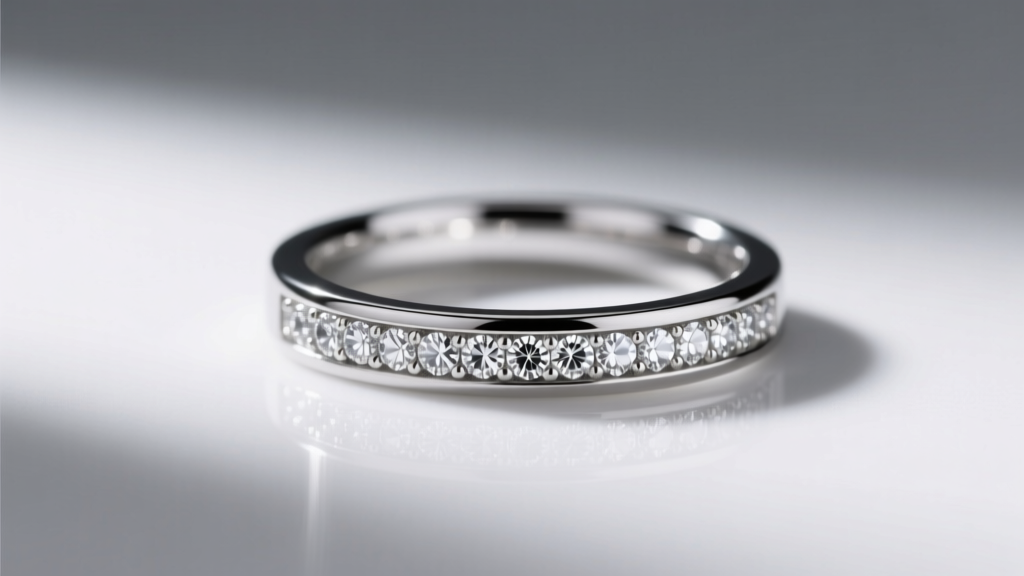
Diamond Channel Settings Security and Seamless Look
When couples start shopping for engagement rings and wedding bands, they usually focus on center-stone size or metal color first. Then they notice a detail that changes everything: how the diamonds are actually held in place. A setting isn’t just a style choice—it affects durability, daily comfort, cleaning, and how long your ring keeps its “just-polished” look.
Diamond channel settings are a favorite for modern couples who want sparkle without snagging. In a channel setting, diamonds sit in a smooth groove between two strips of metal, creating a clean line of brilliance. It’s a look that feels contemporary and minimal, yet it’s also a classic design used for decades in wedding bands—especially eternity bands and matching bridal sets.
This guide breaks down why channel settings are known for security and a seamless appearance, what to look for in craftsmanship, which metals and diamond cuts work best, and how to shop smart for long-term wear.
What Is a Diamond Channel Setting?
A channel setting holds diamonds (or other gemstones) in a recessed “channel” carved into the ring. Instead of each stone having individual prongs, the stones are secured by the channel walls—two parallel rails of metal that keep diamonds aligned. The top of the diamonds typically sits close to flush with the metal, which is why channel set wedding bands feel smooth and easy to wear.
Why couples love channel set rings
- Security: No exposed prongs to catch or bend, and stones are protected by surrounding metal.
- Comfort: A smoother profile that tends to snag less on sweaters, hair, or gloves.
- Seamless sparkle: Diamonds appear like a continuous line of light—clean, modern, and refined.
- Easy to pair: Channel set bands pair well with solitaire engagement rings and many halo styles without competing visually.
Security: How Channel Settings Protect Diamonds
Channel settings are often chosen for everyday wear—especially for wedding bands worn 24/7—because the diamonds are more shielded than in many prong-set designs. While no setting is indestructible, a well-made channel setting offers excellent real-world durability.
Key security features
- Protected edges: The channel walls help guard diamond girdles (the widest edge of the stone) from knocks.
- Reduced snag risk: With fewer exposed parts, there’s less chance of catching the ring and stressing the setting.
- Even pressure: Proper channel work distributes holding force across the row rather than concentrating it on tiny prongs.
Where channel settings can fail (and how to prevent it)
Most issues come down to craftsmanship and fit. If the channel is cut too loosely, stones can rattle or shift. If the metal rails are too thin, they can wear down over time. A quality jeweler will cut seats precisely for each diamond and ensure the channel walls have enough thickness and height for your lifestyle.
The Seamless Look: Why Channel Settings Look So Clean
The signature of a channel setting is its sleek, uninterrupted line. Diamonds are aligned edge-to-edge, and the metal frames the row like a polished border. This is why channel set wedding bands are a timeless classic—elegant next to a solitaire engagement ring and striking on their own.
Channel setting styles you’ll see most
- Full channel band: Diamonds run along the top half or most of the ring’s circumference. Great for sparkle with a bit more resizing flexibility than a full eternity.
- Channel set eternity band: Diamonds go all the way around. Beautiful and symmetrical, but typically harder to resize.
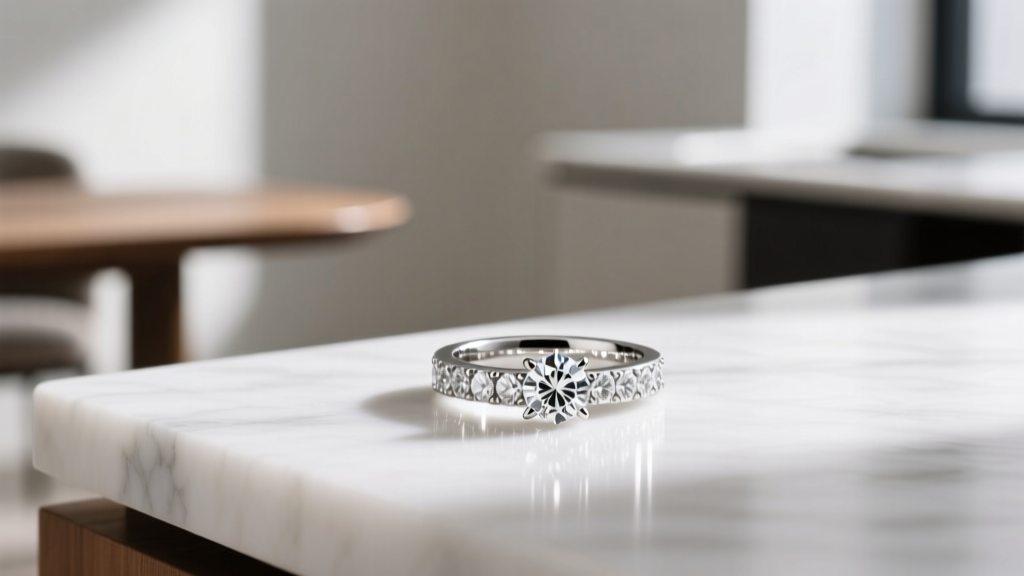
- Channel set engagement ring shoulders: Diamonds line the shank leading to a center stone (often a round, oval, cushion, or princess cut). Adds sparkle without overwhelming the center.
- Mixed metal channel bands: A popular trend: white diamonds in a platinum or white gold channel on a yellow or rose gold shank for contrast.
Best Diamond Cuts for Channel Settings
Not every shape behaves the same in a channel. The best choices are shapes that nest neatly and can be aligned with consistent spacing. Your diamond cut also affects how “continuous” the sparkle looks.
Top choices
- Princess cut diamonds: A channel-setting staple. Their squared edges line up cleanly, creating a crisp, modern look.
- Round brilliant diamonds: Classic and very sparkly. Rounds can be channel set with precise spacing; the look is slightly softer than princess.
- Baguette diamonds: A timeless, Art Deco-inspired option. Baguettes give a sleek “hallway of light” look and pair beautifully with solitaires.
- Emerald-cut (step-cut) accents: Similar to baguettes but often used in longer sizes; they emphasize clean lines rather than intense scintillation.
Shapes that need extra care
Marquise, pear, and heart shapes have pointed tips that are more vulnerable. They can be channel set, but they typically require additional protective design choices and impeccable workmanship.
Metal Choices: Platinum vs Gold for Channel Set Rings
The metal you choose changes both the look and longevity of a channel setting. Because the setting relies on metal rails for security, metal strength and wear characteristics matter.
Platinum
- Pros: Dense, durable, and naturally white. Platinum prongs and rails tend to hold up well for long-term wear and frequent polishing.
- Cons: Higher price. Platinum develops a patina over time (a soft sheen) rather than staying mirror-bright unless polished.
14K and 18K gold (white, yellow, rose)
- 14K gold: Great for durability and value. A top pick for active lifestyles and everyday wedding bands.
- 18K gold: Richer color and higher gold content, but slightly softer than 14K—still excellent if well-made, just be mindful of heavy wear.
- White gold: Modern and bright, typically rhodium-plated for a crisp white finish. Plan on re-plating every 1–3 years depending on wear and skin chemistry.
Quality Factors That Matter Most in Channel Settings
Channel settings are unforgiving: small mistakes are easier to see and can affect durability. Focus on these quality markers when comparing engagement rings and wedding bands.
1) Craftsmanship and finish
- Even alignment: Diamonds should sit level with consistent spacing.
- Smooth rails: The channel edges should feel comfortable and not sharp against neighboring fingers.
- No rattle: Gently tap the ring near your ear—stones should not click or move.
2) Diamond matching
Channel-set bands use multiple stones, so matching is key. Look for consistency in color (often G–H for white metals, H–I for yellow/rose gold), clarity (SI1–VS2 is common), and cut quality (especially for rounds). Poorly matched stones can look patchy, with some diamonds appearing darker or less lively.
3) Setting height and comfort
A lower-profile channel set wedding band is usually more comfortable and less prone to snagging. If you want maximum sparkle, you can choose slightly taller stones or brighter cuts, but avoid designs where diamonds sit too high above the rails.
Current Trends and Timeless Classics
- Trend: Slim channel set diamond wedding bands (1.6–2.0 mm) paired with oval or elongated cushion engagement rings for a refined, stacked look.
- Trend: Mixed cuts—baguettes in the channel with a round or oval center stone for a tailored, modern feel.
- Trend: East-west channel baguettes for a graphic, contemporary wedding band.
- Timeless: Princess-cut channel set bands and classic round channel set anniversary bands—clean, durable, and always in style.
Practical Buying Tips for Channel Set Engagement Rings and Bands
- Ask about resizing: Half-eternity or partial channel bands are often easier to size than full eternity channel rings.
- Check the side profile: Look for protective metal height around the diamonds without making the ring bulky.
- Match your lifestyle: If you work with your hands, consider platinum or 14K gold, a slightly wider band, and diamonds set lower in the channel.
- Consider a comfort-fit interior: A softly rounded inner shank can feel better for daily wear, especially in wider channel set wedding bands.
- Confirm wedding band fit: If you’re buying an engagement ring with channel set shoulders, make sure your wedding band sits flush (or choose a contoured band).
Care and Maintenance: Keeping the Seamless Look
Channel settings are more protected than prong settings, but they still collect lotion, soap, and everyday residue. That buildup can dull sparkle and make diamonds look smaller.
At-home cleaning
- Soak in warm water with a few drops of mild dish soap for 15–20 minutes.
- Use a soft toothbrush to clean along the channel edges and between stones.
- Rinse thoroughly and dry with a lint-free cloth.
Professional maintenance
- Inspection: Have a jeweler check the channel rails and stone tightness every 6–12 months.
- Re-polish: Occasional polishing restores shine, especially on platinum or high-polish gold.
- Rhodium re-plate: For white gold channel set rings, re-plate as needed to keep the bright white look.
Price Range and Value Tips
Channel set diamond rings vary widely in price based on total carat weight, diamond quality, and metal choice. These are practical ballparks for many shoppers:
- Channel set wedding band (14K gold, ~0.25–0.50 ctw): often $500–$1,500
- Channel set wedding band (platinum, ~0.50–1.00 ctw): often $1,500–$4,000+
- Engagement ring with channel set shoulders (plus center stone): setting alone often $800–$2,500+, with total price driven by center diamond shape, carat, cut, and certification
Value tips that actually help
- Prioritize cut quality: Well-cut diamonds look brighter at the same carat weight—especially in rows where sparkle is the point.
- Consider near-colorless diamonds: G–I can look beautifully white in most settings, especially when matched well.
- Choose partial eternity for flexibility: You get the look from the top view, often with easier resizing and less cost than full eternity.
- Don’t overpay for invisible upgrades: In small channel stones, extremely high clarity grades may not be noticeable without magnification.
Common Mistakes to Avoid
- Choosing ultra-thin channel rails: Very delicate designs can wear down faster, especially if worn daily.
- Ignoring diamond matching: Mismatched color and cut quality can make a channel look uneven and less “seamless.”
- Assuming all channel settings are snag-proof: Poorly finished edges or high-set stones can still catch—always check comfort and profile.
- Buying a full eternity without considering resizing: Finger sizes can change over time. Eternity channel bands are gorgeous, but sizing options may be limited.
- Skipping inspections: Even secure settings can loosen with years of wear. Routine checks prevent surprise stone loss.
FAQ: Diamond Channel Settings
Are channel set diamonds secure enough for everyday wear?
Yes—when made well, channel settings are among the more secure options for wedding bands and engagement ring accents. The key is sturdy channel walls, precise stone seats, and regular inspections.
Do channel set rings sparkle less than prong set rings?
Channel settings can sparkle beautifully, but the look is different. Prongs expose more of each diamond, which can boost light entry. Channel settings create a sleeker, continuous shimmer and protect the stones—many couples prefer that refined line of sparkle.
Which metal is best for a channel set wedding band?
Platinum is excellent for durability and long-term wear. For a strong value option, 14K gold (white, yellow, or rose) is a popular choice. If you love the brighter look of white gold, plan for periodic rhodium re-plating.
Can a channel set wedding band be resized?
Often yes for partial channel bands, depending on design and how much of the ring is set with diamonds. Full eternity channel bands are typically difficult or impossible to resize without re-setting stones.
How do I know if the channel setting craftsmanship is good?
Look for evenly aligned stones, smooth edges that feel comfortable, no clicking or movement, and consistent diamond color/brightness across the row. A reputable jeweler should also be transparent about metal weight and diamond specifications.
Next Steps: Choosing a Channel Set Ring You’ll Love for Life
If your priority is a secure, streamlined design that pairs beautifully with both modern engagement rings and timeless wedding bands, a diamond channel setting is hard to beat. Focus on strong channel rails, well-matched diamonds, a metal suited to your lifestyle, and a profile that sits comfortably on your hand. Try a few widths and diamond shapes in person—channel settings can look dramatically different depending on whether you choose princess cuts, rounds, or baguettes.
For more help comparing engagement ring settings, diamond shapes, and wedding band styles, explore more jewelry guides on weddingsift.com.
More Articles
 Radiant Cut With Corner Cutouts Modern Elegance
 How to Restore an Old Family Engagement Ring
 Clean Diamond Wedding Band: 5 Mistakes & Quick Fixes (2026)
 Diamond Flush Settings Smooth Surface Comfort Design
 Wedding Band Size: Truth About Fit & Harmony
 Wedding Ring Set Styling: 7 Steps to Stack & Protect (2026)
 Amethyst Engagement Rings February Birthstone Beauty
 Wedding Ring Size Measurement: 7 Accurate Methods
 Wedding Ring Size: Accurate At-Home Method (2026)
 How to Choose a Wedding Band With a Woven Design