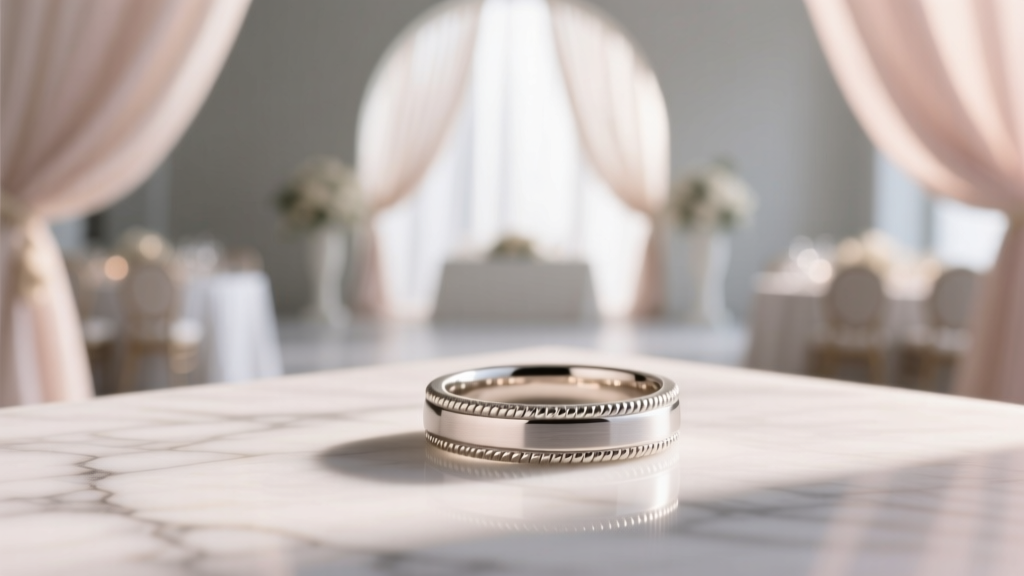
How to Choose a Wedding Band With a Milgrain Edge
A milgrain edge wedding band is one of those details that feels small until you see it in person. The fine line of tiny bead-like texture along the border catches light softly, frames diamonds beautifully, and adds instant character—even to a simple metal ring. It’s a classic hallmark of vintage-inspired jewelry, but it also shows up in modern designs where couples want subtle texture without going overly ornate.
Because milgrain is a craftsmanship detail (not a gemstone or a metal), the quality can vary widely from ring to ring. One band may have crisp, even beading that looks refined for decades; another may look shallow, uneven, or wear down quickly. If you’re shopping for wedding bands that will be worn every day, knowing what to look for in milgrain—along with the right metal, width, profile, and finish—makes the difference between “pretty in the case” and “perfect for real life.”
This guide breaks down how to choose a wedding band with a milgrain edge, including the best metals for durability, how milgrain pairs with engagement rings, what affects price, and the most common mistakes couples make when shopping for this style.
What Is a Milgrain Edge (and Why Couples Love It)?
Milgrain (from the French mille-grain, meaning “a thousand grains”) refers to a decorative border of tiny raised beads. Jewelers create it using a milgrain wheel or specialized hand tools that press the bead pattern into the metal along the ring’s edge. The result is a fine, textured outline that looks delicate but adds visual structure.
Milgrain’s style appeal: timeless and trend-friendly
- Timeless classic: Milgrain is strongly associated with Art Deco and Edwardian-inspired jewelry, making it a natural fit for vintage engagement rings, old mine cuts, and old European cuts.
- Current trend: Couples are leaning into “quiet detail” rings—clean silhouettes with subtle craftsmanship. Milgrain edges on plain gold bands, half-eternity diamond bands, and low-profile stackable rings are especially popular.
- Practical beauty: The beaded border can soften the look of scratches over time compared to a high-polish plain edge (though it doesn’t prevent scratching).
Choosing the Right Metal for a Milgrain Wedding Band
The metal you choose affects how crisp the milgrain looks, how it wears, and how often the ring may need maintenance. Since milgrain is made of tiny raised beads, softer metals can show wear sooner—especially on the outer edges where daily contact happens.
Platinum (Platinum 950)
Best for: longevity, heirloom-quality rings, diamond bands
- Pros: Dense and durable; holds gemstones securely; naturally white (no rhodium plating).
- Milgrain look: Can be very crisp when well-made; develops a soft patina that suits vintage aesthetics.
- Considerations: Platinum can “move” rather than wear away, so edges may soften over time; periodic professional polishing can refresh definition.
14K Gold (Yellow, White, or Rose)
Best for: daily wear, balanced durability and cost, most couples
- Pros: Stronger than 18K due to higher alloy content; excellent for detailed work like milgrain and pavé.
- Milgrain look: Typically holds detail well; yellow gold emphasizes the bead texture beautifully.
- Considerations: White gold is usually rhodium-plated for brightness; milgrain texture can make replating slightly more nuanced, so use a jeweler experienced with detailed finishes.
18K Gold
Best for: richer color, luxury feel, lower-scratch lifestyles
- Pros: Warmer yellow tone; premium feel; popular for classic bridal sets.
- Milgrain look: Can look especially refined and “buttery” in yellow gold.
- Considerations: Softer than 14K; milgrain edges can smooth down sooner if you work with your hands or wear the ring nonstop.
Palladium, alternative metals, and what to avoid
- Palladium: A good option when available, with a naturally white color; check sizing/service availability in your area.
- Tungsten or ceramic: Very scratch-resistant, but milgrain is harder to execute cleanly, and resizing is often impossible. Not ideal if you want a lifetime of adjustments.
Milgrain Band Styles: From Minimal to Diamond-Set
Milgrain can be used as a whisper of texture or as part of an ornate vintage design. The right style depends on your engagement ring, your lifestyle, and whether you plan to stack multiple bands.
1) Plain metal band with milgrain edges
This is the most versatile choice. Look for a comfort-fit interior if you prefer a smoother feel, and consider a low dome (half-round) profile for a classic silhouette. A high-polish finish makes the milgrain pop; a satin or brushed finish gives a modern, understated look.
2) Engraved or filigree-inspired bands
Hand engraving paired with milgrain is a true vintage nod. These bands look stunning with solitaire engagement rings and antique-style settings. Ask whether the engraving is hand-engraved (more expensive, higher artistry) or cast/machine-applied (more uniform, often more affordable).
3) Diamond wedding bands with milgrain (pavé, channel, or bezel)
Milgrain is often used to frame diamonds, especially in pavé and bead-set bands. Popular diamond shapes for these bands include:
- Round brilliant melee: maximum sparkle; timeless.
- French-cut or carre-cut accents: a vintage look, often seen in Art Deco-inspired pieces.
- Baguettes: sleek and architectural; milgrain adds softness to the geometry.
For diamond quality in wedding bands, prioritize cut (for sparkle) and matching (even color/size). Many couples choose near-colorless diamonds (G–I) and eye-clean clarity (VS–SI) for excellent value in small stones.
How to Match a Milgrain Wedding Band to Your Engagement Ring
Check the gap: straight band vs. contoured band
If your engagement ring has a low-set center stone, a basket, or a halo that sits close to the finger, a straight milgrain band may leave a visible gap. If that bothers you, consider a contoured or notched wedding band designed to sit flush. Bring your engagement ring when trying on bands (or request a match recommendation if buying online).
Mixing metals: yes, if it’s intentional
Mixed-metal bridal sets are on-trend and can look very elevated—think yellow gold milgrain band paired with a platinum engagement ring. To keep it cohesive, repeat at least one element: matching milgrain, similar width, or a shared finish (high polish vs. satin).
Match the era, not the exact ring
A milgrain edge naturally reads vintage. If your engagement ring is modern (like a sleek hidden halo or knife-edge solitaire), choose a slimmer milgrain band or a band with milgrain on only one edge. It keeps the look balanced rather than costume-like.
Quality Factors: What Separates Crisp Milgrain From “Mushy” Milgrain
- Bead definition: Look for evenly spaced beads with clear separation. Blurry or flattened beads can signal low-quality finishing.
- Symmetry: Milgrain should be consistent on both edges (if double-edged) and not drift inward.
- Edge protection: Milgrain placed on a very sharp, thin edge will wear faster. A slightly more substantial border protects the detail.
- Stone security (for diamond bands): For pavé or bead-set rings, inspect that beads/prongs are uniform and stones sit level, not tilted.
- Comfort-fit: Milgrain is on the outside, but ring thickness and interior profile affect daily comfort. Try it on for a few minutes—rotate it, make a fist, and see how it feels.
Practical Buying Tips for Milgrain Wedding Bands
Choose width with lifestyle in mind
- 1.5–2.0 mm: delicate, stackable, great with slim engagement rings; milgrain must be very well executed to stay crisp.
- 2.5–3.5 mm: the most versatile range for many couples; better durability for detailed edges.
- 4.0 mm and up: bold, classic band presence; milgrain can look especially sharp and architectural.
Ask the right questions (online or in-store)
- Is the milgrain hand-applied or machine-applied?
- Can the ring be resized without damaging the milgrain pattern?
- For diamond bands: what is the setting style (pavé, channel, bezel), and is it suitable for daily wear?
- What maintenance does the jeweler recommend to keep the milgrain crisp?
Care and Maintenance: Keeping Milgrain Looking Sharp
- Cleaning: Use warm water, mild dish soap, and a soft toothbrush. Clean along the milgrain edge gently to remove lotion buildup.
- Avoid harsh chemicals: Chlorine and strong cleaners can damage metal alloys and dull finishes.
- Remove for rough tasks: Gardening, weight training, moving furniture, and heavy tools can flatten milgrain and loosen small accent stones over time.
- Professional checkups: If your band has diamonds, have prongs/beads checked about once a year. Milgrain can be refreshed by a skilled jeweler, but frequent heavy polishing can soften detail—ask for light touch-ups.
Price Range and Value Tips
Milgrain adds labor and finishing time, so it typically costs more than a plain band in the same metal and width. Pricing also depends on whether the ring is cast with milgrain, hand-finished, engraved, or diamond-set.
- Plain milgrain bands: Often start in the mid-hundreds and can reach over a thousand+ depending on metal (14K vs. platinum), width, and brand.
- Engraved milgrain bands: Usually higher due to additional detailing; hand engraving commands a premium.
- Diamond milgrain bands: Price varies widely based on total carat weight, diamond quality, and setting type. Pavé and micro-pavé require skilled setting and more maintenance over time.
Best value moves
- Choose 14K gold for durability and cost efficiency.
- For diamond bands, focus on well-matched, well-cut melee rather than chasing the highest clarity grades.
- Buy a slightly wider band if you’re worried about milgrain wearing down—more metal protects the detail.
Common Mistakes to Avoid
- Buying ultra-thin milgrain for a hands-on lifestyle: It can look worn quickly and may bend more easily.
- Ignoring how it stacks: Milgrain can rub against prongs or pavé on an engagement ring. Try the set together and check for snagging.
- Assuming all milgrain looks the same: Crispness, spacing, and symmetry vary. Compare multiple rings side-by-side.
- Over-polishing: Too much polishing can soften milgrain beads. Ask for cleaning and minimal polishing unless necessary.
- Not planning for resizing: Fingers can change over time. Confirm the ring can be resized without ruining edge details.
FAQ: Milgrain Edge Wedding Bands
Does milgrain wear off over time?
Milgrain can soften with years of daily wear, especially on thinner bands or softer metals. Higher-quality craftsmanship, a slightly thicker edge, and mindful wear (removing the ring for rough tasks) help it stay defined longer. A jeweler can often re-apply or sharpen milgrain during servicing.
Is platinum or gold better for milgrain?
Both can work beautifully. Platinum is durable and secure for diamond settings, while 14K gold often holds crisp detail well and offers strong value. If you want a richer color and don’t mind a bit more softness, 18K gold is gorgeous for vintage-style milgrain.
Do milgrain wedding bands snag on clothing?
A well-finished milgrain edge should feel smooth and not snag. Snagging usually comes from rough finishing, lifted beads, or adjacent prongs in pavé settings. Run a soft cloth over the edge in-store to check for catching.
Can a milgrain band sit flush with my engagement ring?
Sometimes yes, sometimes no. A tall basket, halo, or low-set center stone can create a gap with a straight band. If a flush fit matters, ask about contoured, curved, or notched milgrain wedding bands made to match your engagement ring style.
Are milgrain diamond bands durable for everyday wear?
They can be, but durability depends on setting type and craftsmanship. Bezel and channel settings generally protect diamonds more than delicate micro-pavé. If you want sparkle with lower maintenance, consider a sturdier half-eternity band with milgrain framing.
Choosing Your Milgrain Band: A Confident Next Step
If you love rings that feel classic, detailed, and quietly distinctive, a wedding band with a milgrain edge is a smart choice—especially in 14K gold or platinum with crisp, symmetrical beading. Start by deciding how you want it to pair with your engagement ring (flush or with a gap), then select a width that suits your lifestyle and a finish that matches your everyday look. When in doubt, prioritize craftsmanship: clean edges, consistent milgrain, and secure stone setting if diamonds are involved.
For more tips on matching bridal sets, choosing metals, and comparing wedding ring styles—from timeless classics to current trends—explore more jewelry guides on weddingsift.com.
More Articles
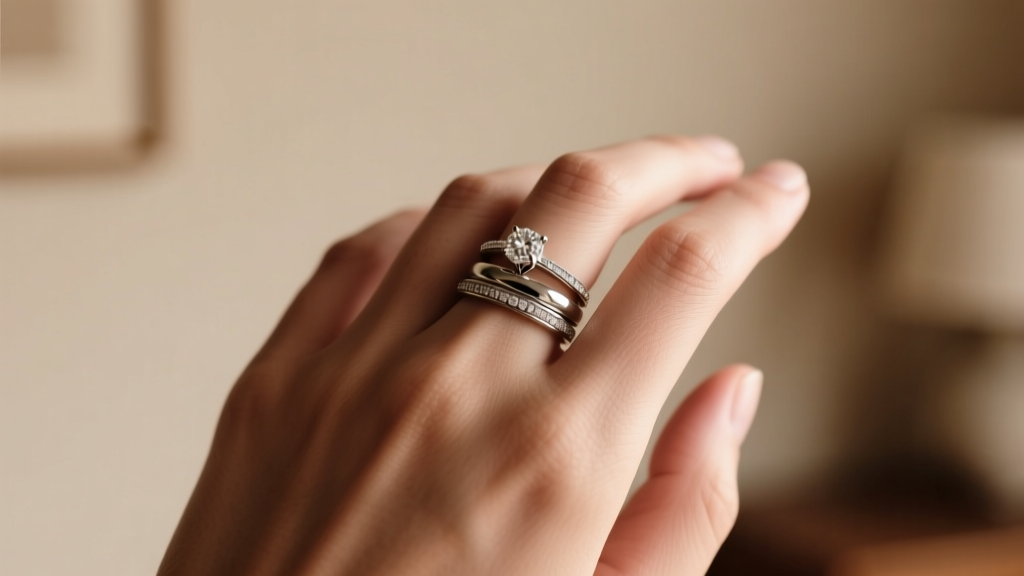 Wedding Set Order: How to Stack Rings Correctly (2026)
 Can You Stretch a Wedding Ring? (2026)
 How to Choose a Wedding Band With Hidden Details
 Artisan Wedding Bands: 7 Handcrafted Sources (2026)
 Smart Care and Maintenance: A Precision Guide for Long-Term Jewelry Integrity
 Moissanite vs Diamond: Honest 2026 Guide
 Men’s Gold Wedding Band Weight Guide (2026)
 Diamond Color Scale: What G vs I Really Means
 Vintage-Inspired Engagement Rings: How to Choose (2026)
 Wedding Band Width: 7mm Myth vs. Comfort Fit (2026)