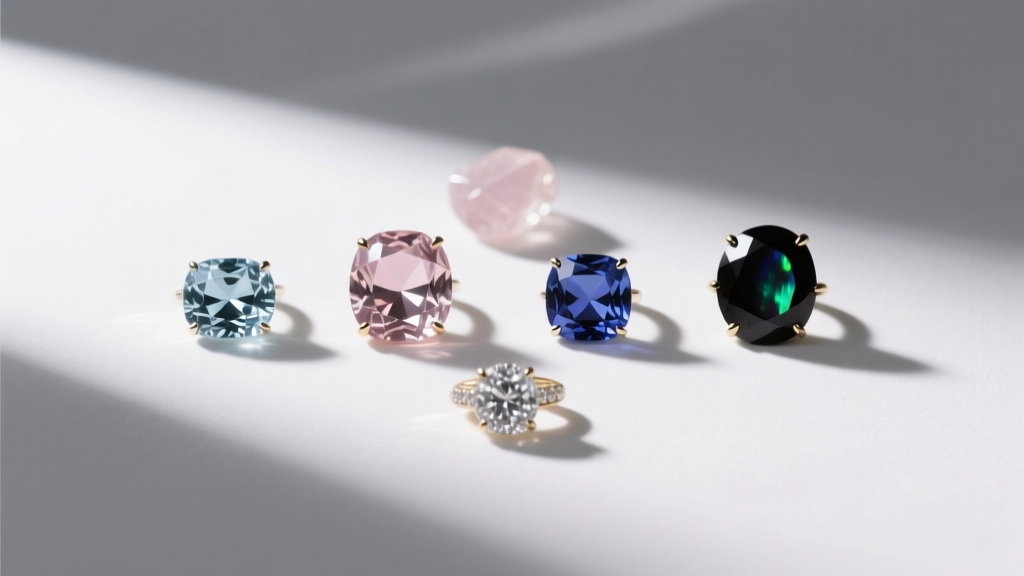
Alternative Engagement Stones Beyond Diamonds
Diamonds have long been the default for engagement rings, but they’re no longer the only “right” choice. Couples today want rings that reflect personal style, values, and lifestyle—whether that means a bold color, a vintage-inspired look, a specific birthstone, or a gem with a lower environmental footprint. The result is a renewed spotlight on alternative engagement stones that can feel just as meaningful (and often more distinctive) than a traditional diamond solitaire.
Choosing a non-diamond center stone isn’t just about aesthetics. Different gemstones vary widely in hardness, toughness, maintenance needs, and price—factors that directly affect how your ring wears over decades. A knowledgeable approach helps you find a stone that suits daily life, looks stunning in your preferred setting, and offers strong long-term value.
Why Couples Are Choosing Alternative Engagement Stones
Current engagement ring trends are all about individuality: colored center stones, mixed-metal settings, antique cuts, and personalized details like hidden halos or engraved bands. At the same time, timeless classics still dominate—think solitaires, three-stone rings, and delicate pavé bands. Alternative gemstones fit into both worlds: a sapphire solitaire can feel as classic as any diamond, while an emerald in a bezel setting looks modern and editorial.
- Personal meaning: birthstones, favorite colors, cultural symbolism
- Style: from minimalist to vintage to statement
- Budget flexibility: some stones offer larger looks for less
- Values: interest in lab-grown options or ethically sourced gems
How Gemstone Durability Works (So You Buy Smart)
When picking an engagement ring stone, “pretty” isn’t enough. You want a gemstone that can handle daily wear—handwashing, typing, commuting, gym sessions, travel, and accidental knocks on countertops.
Hardness vs. Toughness vs. Stability
- Hardness (Mohs scale): resistance to scratching. Diamonds are 10; sapphires are 9.
- Toughness: resistance to chipping and breaking (a gem can be hard yet brittle).
- Stability: how the stone reacts to heat, sunlight, and chemicals.
For most couples, stones in the Mohs 8–9 range are the safest long-term choices for engagement rings. Softer stones can still work beautifully with protective settings and realistic care expectations.
Best Diamond Alternatives for Engagement Rings
Sapphire (Including Blue, Pink, Yellow, and White)
Sapphire is the go-to alternative engagement stone for a reason: it’s durable, timeless, and available in an incredible range of colors. Blue sapphire remains a classic (think royal-inspired), while blush pink and peach sapphires are especially trendy for romantic, modern rings. “White sapphire” offers a diamond-like look with a softer sparkle.
- Durability: Mohs 9; excellent for everyday wear
- Best cuts: oval, cushion, round, emerald cut; antique cushions are a vintage favorite
- Quality factors: color saturation, clarity, cut precision; watch for overly dark stones that look inky
- Setting tips: prong or bezel both work; halos can amplify presence and sparkle
Ruby
Ruby is corundum (same family as sapphire) and offers rich red color with excellent durability. It reads bold, romantic, and heirloom-worthy—especially in yellow gold settings, which are resurging in popularity.
- Durability: Mohs 9
- Quality factors: vivid red (often described as “pigeon blood”), even color, minimal inclusions
- Style notes: stunning in three-stone engagement rings with diamond side stones
Emerald
Emerald’s lush green is instantly recognizable and deeply elegant, but it’s a more delicate choice than sapphire. Emeralds commonly have inclusions (often called “jardin”), and they can chip if hit at the wrong angle. Many couples choose emerald for its unmatched color and accept a bit more care.
- Durability: Mohs 7.5–8, but typically lower toughness
- Best cuts: emerald cut (classic), oval, cushion; step cuts flatter the color
- Setting tips: bezel or halo settings add protection; avoid ultra-thin prongs
- Care: avoid ultrasonic cleaners; gentle cleaning only
Moissanite
Moissanite is one of the most popular diamond alternatives for engagement rings because it delivers intense brilliance and fire, often with a larger look for the budget. It’s lab-created in nearly all modern jewelry, making it appealing to couples focused on consistency and value.
- Durability: Mohs 9.25; excellent daily-wear option
- Look: more rainbow “fire” than diamond; some prefer it, some want a subtler sparkle
- Best cuts: round brilliant for maximum sparkle; oval and cushion are also popular
- Buying tip: consider color grade (near-colorless to colorless) and cut quality to reduce haziness
Spinel
Spinel is a gem-lover’s secret: beautiful, durable, and available in colors from steely gray to vivid pink, lavender, and deep red. It’s an excellent option for couples who want something distinctive without sacrificing wearability.
- Durability: Mohs 8
- Quality factors: lively color, good brilliance, minimal windowing (see-through effect)
- Style notes: gorgeous in rose gold and modern bezel-set engagement rings
Morganite
Morganite’s peachy-pink tones have been trending for years thanks to their soft, romantic feel—especially in rose gold. It’s best for careful wearers or those who don’t mind periodic repolishing over time.
- Durability: Mohs 7.5–8; can scratch with daily wear
- Setting tips: halo and bezel styles help protect edges
- Care: avoid harsh chemicals; clean gently to prevent cloudiness from buildup
Opal and Pearl (Beautiful, but High-Maintenance)
Opal and pearl engagement rings are undeniably romantic and unique, often chosen for bohemian, vintage, or nature-inspired styles. They are also among the most delicate options.
- Durability: opal ~5.5–6.5 Mohs; pearl ~2.5–4.5 Mohs
- Best use: occasional wear rings or very protective settings
- Care: avoid water immersion for some opals, heat, perfumes, and abrasives
Metal Choices That Complement Alternative Stones
The right metal elevates the stone and affects long-term wear. For engagement rings and wedding bands, these are the most common choices:
- Platinum: naturally white, dense, and durable; ideal for prongs holding sapphires, diamonds, and moissanite
- 14K gold: a practical balance of durability and color; great for everyday wear
- 18K gold: richer color but slightly softer; excellent for classic styles
- Rose gold: flattering with morganite and pink sapphire; vintage-meets-modern trend
- Yellow gold: timeless, currently very on-trend; stunning with emerald, ruby, and deep blue sapphire
If you’re pairing an engagement ring with a wedding band, consider how the gemstone setting sits—low-set bezels often pair smoothly with straight bands, while high prong settings may need a contoured or notched band.
Popular Settings for Non-Diamond Engagement Rings
- Solitaire: timeless, highlights color; consider thicker prongs for softer gems
- Halo: adds sparkle and size; popular with morganite and sapphire
- Bezel: sleek, modern, protective; excellent for emeralds and active lifestyles
- Three-stone: symbolic and classic; great for colored centers with diamond side stones
- Vintage-inspired: milgrain edges, filigree, and engraving pair beautifully with sapphires and spinel
Price Range and Value Tips
Pricing varies dramatically based on gemstone type, size (carat weight), cut quality, color, and whether the gem is natural or lab-created. Setting style and metal choice also significantly affect cost.
- Best value sparkle: moissanite often delivers a larger, high-brilliance look for the budget
- Best value for durability + color: sapphire and spinel can be excellent long-term picks
- Premium pricing: fine ruby and high-quality emerald can be more expensive than many diamonds of comparable size
- Lab-grown options: lab sapphires and lab emeralds can offer impressive size and color at a lower price, with consistent quality
Value tip: prioritize cut quality and color over sheer carat size. A well-cut 1.25 ct oval sapphire can look more vibrant and “expensive” than a dull 2 ct stone with weak saturation.
Care and Maintenance for Alternative Gemstones
- Remove your ring for cleaning, gardening, gym workouts, and heavy lifting.
- Clean safely: warm water, mild dish soap, a soft toothbrush, and a lint-free cloth work for most durable stones.
- Avoid ultrasonic cleaners for emeralds, opals, pearls, and heavily included stones.
- Watch chemicals: chlorine, bleach, and some household cleaners can damage metals and certain gems.
- Annual checkups: have a jeweler inspect prongs, bezels, and side stones at least once a year.
Common Mistakes to Avoid When Shopping
- Choosing a soft gemstone in an exposed setting: opals and pearls in high prongs are heartbreak waiting to happen.
- Ignoring cut: a poorly cut gemstone can look dark, glassy, or “windowed” even if the color is beautiful.
- Assuming all “white” stones look like diamonds: white sapphire and white topaz have different sparkle and can show wear differently.
- Not asking about treatments: many gems are heat-treated or oiled (common for emerald). Treatments aren’t automatically bad, but you should know what you’re buying and how it affects care.
- Overly delicate bands: ultra-thin bands may look trendy but can bend over time; consider a sturdier shank for daily wear.
- Forgetting the wedding band pairing: some settings don’t sit flush; plan the set together for comfort and cohesion.
FAQ: Alternative Engagement Stones Beyond Diamonds
Which alternative gemstone is best for everyday wear?
Sapphire and ruby (Mohs 9) are top choices, with moissanite (Mohs 9.25) also excellent. If you want color plus durability, sapphire is often the easiest recommendation.
Does moissanite look fake compared to a diamond?
Moissanite has a different sparkle profile—more rainbow fire, especially in larger sizes. Many people love it, while others prefer diamond’s subtler scintillation. Choosing a well-cut stone and the right shape (round is the most diamond-like) helps.
Are emerald engagement rings practical?
They can be, especially in protective settings like a bezel or halo, and for someone willing to take the ring off during higher-risk activities. Emeralds are beautiful but not as chip-resistant as sapphire or moissanite.
What’s the best setting to protect a colored gemstone?
A bezel setting offers the most protection for edges and corners. Halos also add a buffer, while prongs can be very secure when properly built and maintained.
How do I know if a gemstone is good quality?
Focus on color (vivid and even), cut (bright, no obvious windowing), and clarity appropriate to the stone (emeralds will have inclusions; sapphires can be cleaner). When possible, ask for a lab report for higher-value purchases.
Can I mix metals or add diamond accents with a non-diamond center stone?
Yes—mixing metals is a current trend, and diamond side stones or pavé accents pair beautifully with sapphire, emerald, ruby, and spinel. Just confirm the setting is sturdy and the accent stones are securely set.
Next Steps: Choosing a Stone That Fits Your Life and Style
The best alternative engagement stone is the one that matches your everyday habits, aesthetic preferences, and long-term expectations. For most couples who want a worry-free ring with timeless appeal, sapphire, ruby, or moissanite are strong starting points. If you’re drawn to softer or more delicate gems like emerald, morganite, or opal, you can still make it work—just choose a protective setting, commit to regular maintenance, and treat the ring with the care it deserves.
Keep exploring more engagement ring and wedding band guides on weddingsift.com to compare gemstones, settings, metals, and craftsmanship details before you buy.
More Articles
 How to Choose an Engagement Ring With a Pear-Shaped Stone
 How to Protect and Store Wedding Jewelry
 How to Maintain the Shine of Your Wedding Jewelry
 How to Choose an Engagement Ring With an Oval Diamond
 Clean Diamond Wedding Band: 5 Mistakes & Quick Fixes (2026)
 Yellow Diamond Sunshine and Warmth
 Men's Wedding Band Weight: Grams by Metal & Fit (2026)
 Wedding Dress Shopping Guest Limit: 2–3 People
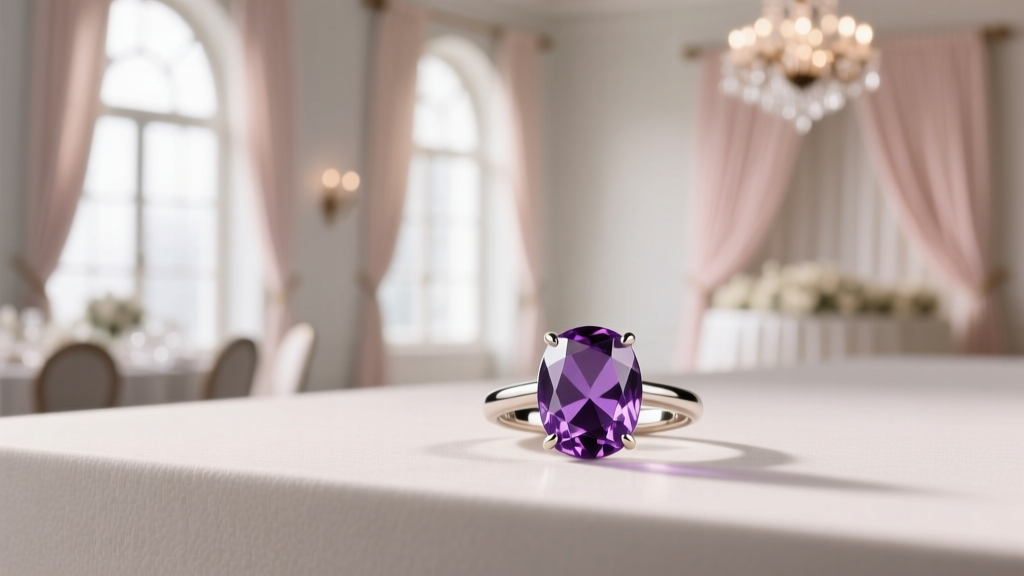 Amethyst Engagement Rings February Birthstone Beauty
 How to Wear Wedding Set: 7 Rules You’re Breaking