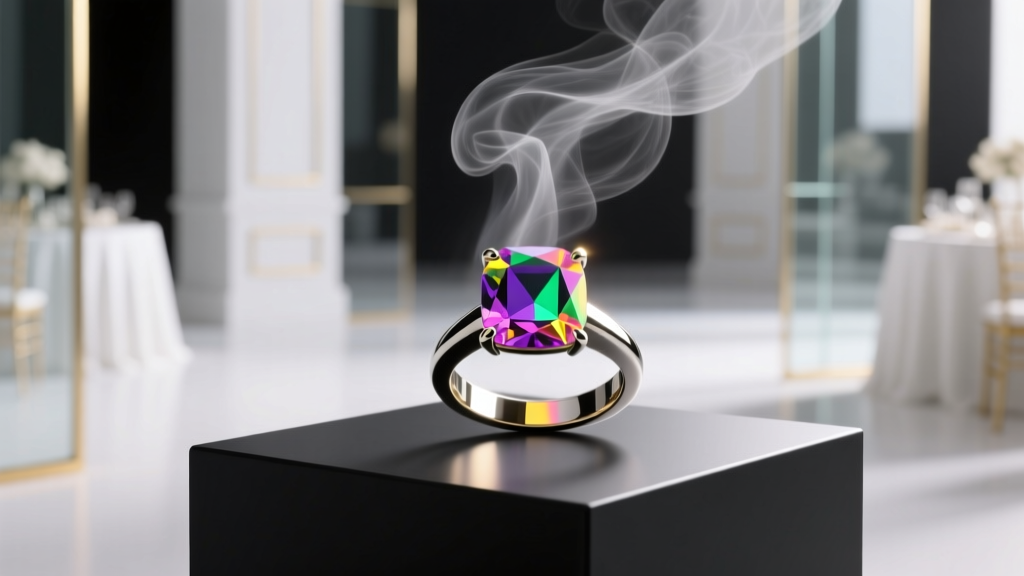
Tourmaline Engagement Rings Rainbow Color Options
Tourmaline engagement rings are winning over couples who want a meaningful gemstone, a broader color palette than traditional diamonds, and a look that feels personal rather than predictable. Tourmaline is one of the few gemstones that naturally appears in a true rainbow of shades—soft blush pinks, deep forest greens, ocean teals, vivid “Paraiba-like” blues, golden tones, and even bicolor stones with more than one hue in a single gem.
Beyond color, tourmaline offers a great mix of beauty and individuality. Whether you’re drawn to a timeless solitaire, a halo engagement ring, or a modern toi et moi setting, tourmaline can be styled to look classic, vintage-inspired, or boldly contemporary. The key is understanding how different tourmaline colors behave in different cuts and settings, how durable the stone is for everyday wear, and how to choose a ring that fits your lifestyle and budget.
This guide breaks down tourmaline’s rainbow color options, quality factors, metal and setting choices, pricing, care, and the most common mistakes couples make—so you can shop confidently for the right engagement ring and matching wedding band.
Why Tourmaline Makes a Standout Engagement Ring Gemstone
Tourmaline is a gemstone family with multiple varieties and an unusually wide range of colors caused by trace elements like iron, manganese, and copper. For engagement rings, that means you can pick a color that matches a partner’s style, birth month, or shared story—without being limited to one “standard” look.
Durability for Daily Wear
Tourmaline ranks about 7 to 7.5 on the Mohs hardness scale. That makes it suitable for engagement rings, but it’s not as hard as sapphire (9) or diamond (10). Practically, tourmaline can wear well with the right setting and mindful care—especially if you choose designs that protect the stone (like bezels or halos) and avoid rough use.
One-of-a-Kind Color Personality
Even within the same color category, tourmalines vary in tone and saturation. Two “green” tourmalines can look dramatically different—one olive and earthy, another bright and electric. This is a major reason tourmaline rings feel custom, even before you customize the setting.
Tourmaline’s Rainbow: Color Options and What to Expect
Pink Tourmaline: Romantic, Wearable, and Timeless
Pink tourmaline is a classic engagement ring choice that pairs beautifully with rose gold, yellow gold, or platinum. Shades range from pale blush to hot pink. For an engagement ring, many couples prefer medium to vivid pink because it holds color in different lighting and looks lively in photographs.
Green Tourmaline: Nature-Inspired Elegance
Green tourmaline can mimic the richness of emerald while offering different undertones—mint, forest, olive, and teal-leaning greens. It’s especially striking in emerald cuts and elongated ovals, which emphasize clean lines and depth of color. Green tourmaline looks timeless in yellow gold and sleek in platinum or white gold.
Blue Tourmaline (Indicolite): Sophisticated and Rare
Blue tourmaline, often called indicolite, ranges from denim to deep inky blue. Fine blue tourmaline can be rarer than many shoppers expect, and prices rise quickly with strong saturation and larger sizes. If you love a sapphire-like vibe but want something less traditional, indicolite is a refined option—especially in a solitaire or three-stone engagement ring.
Paraiba Tourmaline and “Paraiba-Like” Teals: The Trendsetter’s Favorite
True Paraiba tourmaline (typically copper-bearing, neon blue-green) is one of the most sought-after tourmalines and can command premium prices comparable to top-tier gemstones. Many jewelers also offer “Paraiba-like” tourmaline—stones with similar turquoise/teal vibes but different origin or chemistry—often at a more approachable budget.
This color family is a major current trend in alternative engagement rings because it pops in minimal, modern settings and photographs brilliantly.
Watermelon and Bicolor Tourmaline: Two Colors, One Stone
Watermelon tourmaline typically shows a pink center with a green rim, while other bicolor stones can shift from teal to blue or peach to pink. These are ideal for couples who want something unmistakably unique. Cuts matter here: a skilled lapidary can orient the stone to highlight the color zoning rather than hide it.
Black Tourmaline: Bold, Minimal, and Modern
Black tourmaline is opaque and graphic—perfect for a contemporary engagement ring, alternative bridal set, or a partner who prefers understated style. It pairs naturally with matte or brushed metals and works well in signet-inspired or geometric settings.
Choosing the Best Cut, Setting, and Metal for Tourmaline
Best Cuts for Color and Sparkle
- Oval: Great for finger-flattering length and strong color presence; popular for modern engagement rings.
- Emerald cut: Highlights clarity and color depth; best for stones with fewer visible inclusions.
- Cushion: Soft, romantic shape that balances brilliance and color.
- Pear: Elegant and distinctive; looks beautiful with halos or east-west settings.
- Round: Maximum sparkle, but fine round tourmalines can be pricier due to cutting yield.
Settings That Protect Tourmaline (and Look Beautiful)
- Bezel setting: A top choice for daily wear because it shields the stone’s edges from knocks.
- Halo setting: Adds extra sparkle, makes the center stone look larger, and provides a buffer around the tourmaline.
- Six-prong solitaire: A classic look with improved security over four prongs, especially for ovals and pears.
- Three-stone ring: Timeless and symbolic; consider diamonds or sapphires as side stones for added durability and contrast.
Metal Choices: Matching Color Undertones
- Platinum: Durable, naturally white, and ideal for blue/green tourmalines and diamond accents.
- 14K white gold: Sleek and bright; check that rhodium plating is maintained over time.
- 14K or 18K yellow gold: Warms up green, golden, and pink tourmalines; a timeless bridal favorite.
- Rose gold: Romantic and modern-vintage; especially flattering with pink tourmaline and peachy tones.
For engagement rings that will be worn daily, many jewelers recommend 14K gold or platinum for the best balance of strength and long-term wear.
Tourmaline Quality Factors: Color, Clarity, Cut, and Carat
Color: The Main Driver of Beauty and Value
For tourmaline, color is king. Look for an appealing combination of hue (the actual color), tone (light to dark), and saturation (intensity). Many tourmalines look best with medium to medium-dark tone and strong saturation—too light can read “washed out,” while too dark can hide the stone’s life.
Clarity: Some Inclusions Are Normal
Many tourmalines have visible inclusions. The goal is a stone that looks clean to the eye at normal viewing distance. Emerald cuts show inclusions more easily than brilliant cuts, so match your cut choice to your clarity comfort level.
Cut: A Great Cut Brings Tourmaline to Life
Tourmaline can show “windowing” (a see-through area where light leaks) if cut too shallow. Ask for videos in different lighting and angles, or view the stone in person. A well-cut tourmaline should have consistent color and attractive light return without a dead center.
Carat Weight: Consider Face-Up Size
Some tourmalines are cut deep to preserve weight, which can make the stone look smaller from the top. Compare millimeter measurements, not just carat weight, when shopping for a tourmaline engagement ring.
Price Range and Value Tips for Tourmaline Engagement Rings
Tourmaline engagement ring prices vary widely based on color rarity, size, and overall craftsmanship. As a general shopping guide:
- Commercial to good quality tourmaline rings: often $500–$2,000 depending on metal, accent diamonds, and center size.
- Fine green, pink, or blue tourmaline: commonly $2,000–$6,000+ for well-made settings with quality stones.
- Paraiba tourmaline: can range from $5,000 into five figures quickly, especially for larger, vivid, verified stones.
How to Get the Best Value
- Prioritize cut quality over a slightly larger carat weight—tourmaline’s beauty depends heavily on cutting.
- Choose protective settings (bezel/halo) to reduce long-term repair costs.
- Consider a matching wedding band early: some tourmaline engagement ring settings sit low and need a curved or notched band.
- Ask about certification for higher-priced stones, especially “Paraiba” claims.
Practical Buying Tips for Couples Shopping Tourmaline Rings
- View color in multiple lighting conditions: daylight, indoor warm light, and shade. Tourmaline can shift noticeably.
- Confirm stone security: prongs should be even and tight; bezels should fully and smoothly wrap the edge.
- Check band width and thickness: for daily wear, many jewelers suggest at least ~1.8–2.0 mm width (depending on design) for durability.
- Ask about customization: popular trends include east-west ovals, hidden halos, knife-edge bands, and mixed metals.
- Plan for pairing: if you want a flush-fit wedding band, choose a setting designed for it.
Care and Maintenance: Keeping Tourmaline Beautiful
Tourmaline can last a lifetime, but it benefits from gentler care than a diamond engagement ring.
- Cleaning: use warm water, mild dish soap, and a soft brush. Rinse thoroughly and pat dry.
- Avoid: ultrasonic cleaners, steam cleaning, harsh chemicals, and prolonged heat exposure—these can damage some stones or settings.
- Storage: store separately in a soft pouch or lined box to avoid scratches from harder gems.
- Routine checks: have prongs and settings inspected about once a year (or sooner if you wear the ring daily).
Common Mistakes to Avoid When Shopping Tourmaline Engagement Rings
- Buying based on one photo: tourmaline color can be misleading online. Look for videos and honest lighting descriptions.
- Ignoring windowing: a large “see-through” center reduces beauty and can make the stone look glassy.
- Choosing a delicate setting for a daily-wear lifestyle: ultra-thin bands and exposed corners increase maintenance and risk.
- Assuming all “Paraiba” claims are equal: ask whether the stone is copper-bearing and request documentation if pricing reflects true Paraiba rarity.
- Forgetting the wedding band: some settings make band pairing tricky; solve it upfront.
FAQ: Tourmaline Engagement Rings
Are tourmaline engagement rings durable enough for everyday wear?
Yes, especially with protective settings like bezels or halos and a sturdy band. Tourmaline is not as hard as sapphire or diamond, so it’s best for couples willing to avoid heavy impact and keep up with routine inspections.
What color tourmaline is best for an engagement ring?
The best color is the one you’ll love long-term. For practicality, medium to vivid tones (pink, green, teal, blue) tend to look richer in varied lighting and show less “wash out” than very pale stones.
How can I tell if a tourmaline is good quality?
Look for strong, pleasing color, minimal windowing, a well-proportioned cut, and eye-clean appearance (or inclusions that don’t distract). For premium stones, consider a lab report and buy from a jeweler who provides clear photos/videos.
Is Paraiba tourmaline worth it compared to other tourmalines?
If you love the neon blue-green glow and want a rare collector-level gemstone, Paraiba can be worth the premium. If you want a similar vibe for less, “Paraiba-like” teal tourmalines can offer beautiful color at a more comfortable price.
What metals look best with tourmaline engagement rings?
Platinum and white gold emphasize cool tones (blue/green/teal), while yellow and rose gold add warmth and a romantic feel (pink, green, golden tones). The best choice depends on skin tone, style, and whether you want a modern or vintage look.
Can tourmaline engagement rings be resized or repaired easily?
Most gold and platinum rings can be resized by a qualified jeweler. If the setting is delicate, has pavé diamonds, or holds a uniquely shaped tourmaline, resizing may require more care—ask about future service before purchasing.
Next Steps: Finding Your Perfect Tourmaline Engagement Ring
Tourmaline offers something rare in bridal jewelry: true rainbow freedom with a gemstone that can feel romantic, modern, vintage, or boldly alternative depending on your cut, setting, and metal. For most couples, the best route is to choose a color you’ll still love years from now, prioritize a well-cut stone with strong saturation, and select a setting designed to protect tourmaline for everyday life.
If you’re comparing gemstones, narrowing down settings, or planning a matching wedding band set, explore more jewelry guides on weddingsift.com to keep your engagement ring search clear, confident, and genuinely fun.
More Articles
 Gold Ring Weight: How Many Grams? (2026)
 7 Year Anniversary Jewelry Gift Ideas
 Wedding Ring Styling Rules: 7 Mistakes Damaging Your Bands
 Deep Clean Wedding Ring at Home: 5 Safe Methods (2026)
 Wedding Band Order: Top or Bottom? (2026)
 Bridal Jewelry: Rent vs Buy 2026
 How to Choose a Ring for a Proposal at the Beach
 How to Choose an Engagement Ring She Will Never Take Off
 Are Wedding Rings Biblical? What Scripture Says
 How to Choose a Wedding Band With a Cobblestone Pattern