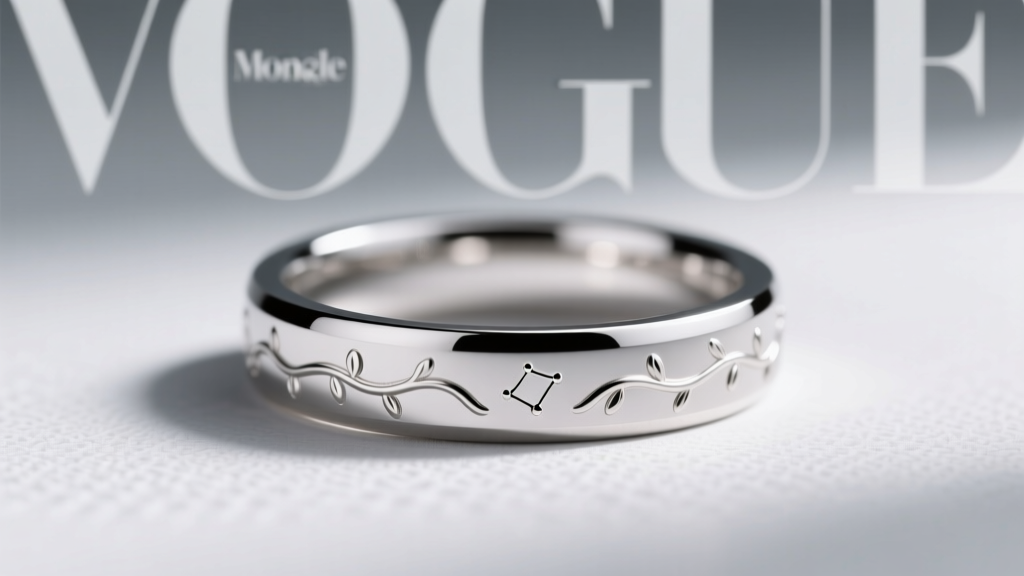
How to Choose a Wedding Band With Hidden Details
A wedding band is the piece you’ll wear most—often more than your engagement ring—so it makes sense to choose one that feels personal beyond the obvious sparkle. Hidden details are the quiet design elements you can’t always see at a glance: a secret gemstone set inside the band, a message engraved on the inner shank, a subtle pattern tucked under the setting, or delicate accent stones that reveal themselves only when you look closely.
These “only we know” touches are trending for good reason. They add meaning without changing the classic look of a gold wedding band or diamond eternity ring. Whether you want a minimalist band with a single secret sapphire, or a sculpted ring with a hidden halo under your center stone, the right hidden detail can turn a beautiful ring into a personal heirloom.
This guide breaks down the most popular hidden details, the best metals and settings for durability, how to budget, and what to watch out for—so you can choose a wedding band that’s timeless on the outside and uniquely yours on the inside.
What Counts as a “Hidden Detail” in a Wedding Band?
Hidden details are design features not immediately visible when the ring is worn normally. They often live on the inside of the band, under the center setting, or along the sides where only you (or a close-up glance) can see them.
Popular hidden details couples love
- Inside engraving: wedding date, initials, coordinates, a short phrase, or a private joke.
- Hidden birthstones: a small gemstone set inside the band (flush set) or beneath the setting.
- Peekaboo diamonds: tiny diamonds set on the profile (the side) of the band.
- Hidden halo: a circle of small diamonds beneath the center stone, visible from the side.
- Signature metal details: a two-tone inner sleeve, milgrain edging on the interior, or a subtle interior pattern.
- Finger-fit or comfort-fit shaping: a softened interior curve that feels luxurious (a functional “hidden” upgrade).
Start With Lifestyle: Hidden Details Should Still Be Practical
The best wedding ring styles balance romance with real life. Before choosing any hidden design feature, think about how you’ll wear the ring day to day.
Questions that guide the right choice
- Do you work with your hands? Healthcare, fitness, construction, culinary work, and hands-on hobbies may favor smoother profiles and flush-set stones.
- Do you wear gloves often? Hidden halos and prominent prongs can snag; low-profile designs tend to be easier.
- Do you want a band you never take off? Prioritize durable metals (platinum, 14K gold) and secure settings (bezel or flush).
- Do you stack rings? Consider how the wedding band fits with the engagement ring—especially if the engagement ring has a low basket or wide gallery.
Metal Choices That Work Best for Hidden Details
Your metal affects durability, maintenance, and how well a ring can hold tiny stones or crisp engraving. For wedding bands with hidden details, you want a metal that supports fine craftsmanship and long-term wear.
Platinum: premium durability and security
Platinum (usually 950 platinum) is dense and naturally white. It holds gemstones securely, making it ideal for hidden halos, micro pavé accents, and flush-set interior stones. Platinum develops a soft patina over time rather than wearing away quickly, which many couples love for a lived-in, heirloom look.
14K gold: the everyday favorite for strength and value
14K yellow, white, or rose gold is a strong choice for engraving, milgrain, and small accent stones. It’s more scratch-resistant than 18K gold in many real-world situations because of its alloy mix. If you want a balance of durability and cost, 14K is often the sweet spot.
18K gold: rich color, slightly softer
18K gold has a warmer, richer gold tone (especially yellow gold) and a more premium feel. It’s a bit softer than 14K, which matters for ultra-fine pavé and sharp engraving edges. It can still be an excellent choice—just plan for mindful wear and occasional refinishing.
Titanium and tungsten: sleek, but less customizable
Titanium is lightweight and comfortable, while tungsten carbide is very scratch-resistant. The trade-off: these metals can be difficult (or impossible) to resize, and intricate hidden details like stone setting or deep engraving may be limited. If you choose one, focus on comfort-fit interiors and laser engraving rather than complex gemstone work.
Gemstones for Hidden Details: Meaningful and Built to Last
Hidden gemstones are often small, but they still need to handle daily wear. Hardness and toughness matter—especially for stones set inside the band where they can face more friction.
Best gemstone options
- Diamond: ideal for peekaboo accents and hidden halos; pairs well with any metal and offers top durability.
- Sapphire (blue or fancy colors): a favorite for hidden birthstones; durable enough for daily wear and available in white, pink, yellow, green, and more.
- Ruby: bold, romantic, and durable; great for a secret red accent.
Stones to use carefully
- Emerald: beautiful, but more prone to chipping due to natural inclusions; better in protected settings.
- Opal and pearl: not recommended for daily-wear hidden settings; they’re softer and can be damaged by water, heat, and impact.
Trend note: Colored gemstones are a major current trend in engagement rings and wedding bands, especially subtle “secret color” details like a single hidden sapphire inside a classic gold band.
Settings and Craftsmanship: Where Hidden Details Succeed (or Fail)
Hidden details should be charming, not fragile. The setting style and craftsmanship determine whether your ring will look great for years or require frequent repairs.
Secure setting styles for hidden stones
- Flush (gypsy) setting: the stone sits level with the metal; excellent for inside-the-band birthstones and low snag risk.
- Bezel setting: a metal rim encircles the stone; protective and sleek, great for side accents.
- Channel setting: stones sit between two metal walls; popular for “surprise” diamonds along the profile.
- Pavé and micro pavé: very delicate look; requires expert setting and regular inspection.
Engraving quality: hand-engraved vs. laser
Hand engraving can feel artisanal and slightly organic, with beautiful depth. Laser engraving is crisp, precise, and often better for longer messages or intricate symbols. If the engraving is on the inner shank, ask for a depth that will remain legible after years of wear and polishing.
Build details that matter
- Band width and thickness: very thin bands (under ~1.8mm) can limit hidden settings and long-term durability.
- Comfort-fit interior: a rounded inner edge makes a noticeable difference for daily wear.
- Clean finishing: hidden areas should be smooth with no sharp edges; this is a sign of careful polishing.
Matching With an Engagement Ring: Keep the Set Comfortable
If you’re shopping as a couple for an engagement ring and wedding band set, hidden details can help you personalize without changing the overall silhouette.
Fit considerations
- Flush fit vs. gap: some engagement ring settings sit low, causing a gap. A curved or notched wedding band can solve this while keeping hidden details intact.
- Shared design language: repeat a metal color, a milgrain edge, or a hidden gemstone theme across both rings.
- Stackability: profile diamonds and hidden halos shouldn’t rub harshly against adjacent rings; ask how the rings wear together.
Price Range and Value Tips for Hidden-Detail Wedding Bands
Hidden details can be surprisingly affordable—or they can elevate a ring into fine-jewelry pricing depending on materials and labor. Here’s what typically drives cost.
Typical price ranges
- Simple band with engraving: often the most accessible option; pricing varies by metal and engraving method.
- Band with a single hidden birthstone (flush set): moderate increase; diamonds and sapphires are popular choices.
- Profile diamonds or small accent stones: higher due to labor and additional stones, especially in micro pavé.
- Hidden halo or intricate under-gallery details: typically the highest because it requires precision setting and more diamonds.
How to maximize value
- Choose 14K gold for durability and cost balance if you want pavé or multiple tiny stones.
- Prioritize craftsmanship over carat weight for hidden accents—secure settings matter more than slightly larger stones you rarely see.
- Ask for a CAD rendering if custom: you’ll see how the hidden details actually sit on the finger.
- Confirm resizing policy before purchasing, especially with eternity styles or alternative metals.
Care and Maintenance: Keep Hidden Details Looking Sharp
Hidden details collect soap, lotion, and dust more easily because they sit in grooves and protected areas. A simple routine keeps everything bright and secure.
At-home care
- Weekly cleaning: warm water, mild dish soap, and a soft toothbrush. Clean underneath settings and inside engraving gently.
- Rinse and dry well: moisture trapped under galleries can dull sparkle.
- Avoid harsh chemicals: bleach and chlorine can damage alloys and wear down finishes, especially for white gold plating.
Professional maintenance
- Check prongs and pavé: have a jeweler inspect every 6–12 months if your ring has small diamonds or a hidden halo.
- Re-polish thoughtfully: frequent polishing can soften engraving over time; ask for light refinishing when needed.
- White gold rhodium: if you choose white gold, plan for periodic rhodium re-plating to keep it bright.
Common Mistakes to Avoid When Shopping for Hidden Details
- Choosing micro pavé without considering maintenance: it’s beautiful, but requires inspections and careful wear.
- Going too thin for the design: ultra-thin bands can warp, especially with interior stones or deep engraving.
- Not checking how the band feels: hidden details should never scratch or pinch; comfort-fit interiors help.
- Ignoring resizing realities: full eternity bands and tungsten rings are often not resizable; your future comfort matters.
- Mixing rings that rub: profile diamonds or rough edges can wear against your engagement ring over time.
- Picking soft gemstones for daily wear: opals and pearls are better for special-occasion jewelry, not a forever wedding band.
FAQ: Wedding Bands With Hidden Details
What is the most durable hidden detail for everyday wear?
A flush-set hidden birthstone (diamond or sapphire) inside the band is one of the most durable options because it sits level with the metal and is less likely to snag or loosen.
Do hidden halos make a ring taller or less comfortable?
They can. A hidden halo sits under the center stone and may add height depending on the basket design. If you want low-profile comfort, ask for a low basket and check how it feels between fingers.
Will engraving fade over time?
Engraving can soften with years of wear and repeated polishing. Choosing a slightly deeper engraving and minimizing heavy polishing helps preserve legibility. Laser engraving tends to stay crisp, while hand engraving can offer more depth and character.
Is platinum worth it for rings with hidden diamonds?
Often, yes. Platinum’s density makes it excellent for holding small stones securely, especially in pavé, profile settings, and hidden halos. If your budget allows and you want maximum long-term security, platinum is a strong choice.
Can I add a hidden birthstone later?
Sometimes. A jeweler can often add a flush-set stone if the band has enough width and thickness. If you think you might add details later, choose a band that isn’t too thin and confirm with a jeweler before purchasing.
Are hidden details still considered “timeless”?
Yes—because the exterior can remain classic. A simple gold wedding band with an inside engraving or a single hidden sapphire is a modern trend that still reads timeless since the overall silhouette stays traditional.
Your Next Step: Choose a Ring That Tells Your Story Quietly
If you love the idea of a wedding band that looks classic to the world but holds something meaningful up close, start with your lifestyle, pick a durable metal, and choose a hidden detail that won’t complicate daily wear. For many couples, a 14K gold or platinum band with comfort-fit shaping, a personal engraving, and a flush-set hidden gemstone hits the perfect balance of romance, durability, and value.
When you’re ready, explore more jewelry guides on weddingsift.com to compare wedding ring styles, metal types, settings, and the latest engagement ring and wedding band trends.
More Articles
 What Is a 10K Gold Wedding Band Worth? (2026)
 How to Store Your Jewelry When Not Wearing It
 Silver Wedding Rings: Risks & Better Alternatives
 7 Things Nobody Tells You Before Buying a Plain Wedding Band
 Essential Jewelry Making Tools Guide
 Trillion Cut Triangular Diamond Brilliance
 Do Men Wear Engagement Rings Before Marriage?
 Emerald Engagement Rings Symbolism and Care Guide
 How To Remove A Wedding Ring From A Swollen Finger
 Wedding Band Metals Compared: Pros and Cons