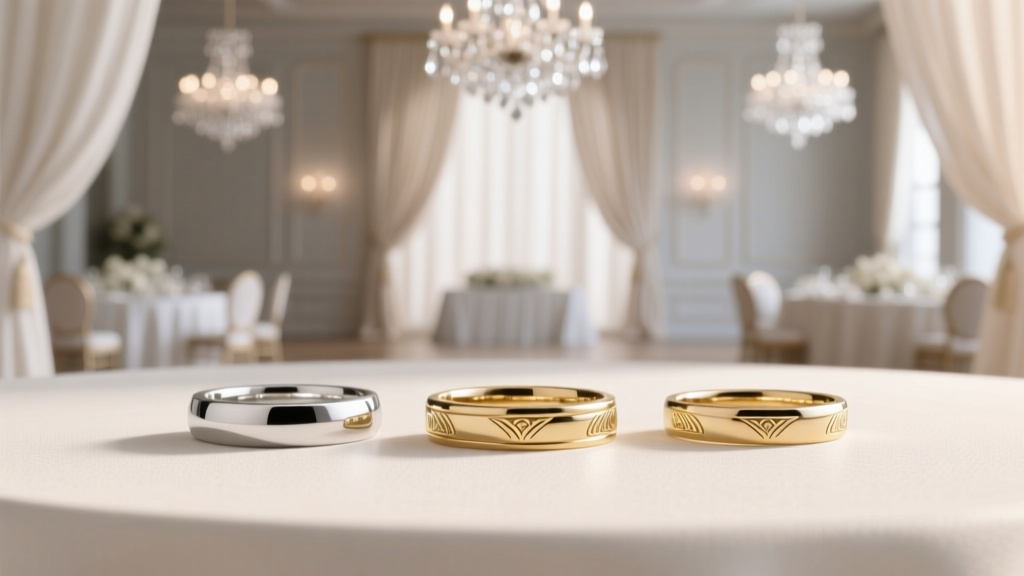
Wedding Ring Care Tips From Professional Jewelers
Your wedding ring is the one piece of jewelry you’ll wear more than any other. It’s there for morning coffee, long commutes, handwashing, workouts, vacations, and everything in between. That daily wear is exactly why wedding ring care matters: even the most durable metal and the hardest gemstones will show signs of life if they’re not cleaned, checked, and protected.
Professional jewelers see the same issues come through the workshop again and again—loose prongs, worn settings, bent bands, dull diamonds, scratched metals, and rings that “suddenly” don’t fit. The good news is that most problems are preventable with simple habits and a few smart decisions when you shop.
This guide covers practical, jeweler-approved wedding ring care tips, plus what to know about metals, gemstones, settings, and craftsmanship so you can choose a ring that fits your lifestyle and keeps its beauty for decades.
Start With the Basics: How Rings Really Get Damaged
Most ring damage isn’t from a dramatic accident—it’s from repetition and chemistry. Here are the usual culprits:
- Impact and pressure: Knocking a ring against countertops, gym equipment, stroller handles, or tools can bend metal and loosen stones over time.
- Abrasives: Sand, grit, and some household cleaners can scratch metal and wear down prongs and pavé beads.
- Chemicals: Chlorine, bleach, and harsh detergents can discolor certain metals and attack delicate gemstones.
- Build-up: Lotion, sunscreen, soap, cooking oils, and hair products create a film that makes diamonds look cloudy.
Know Your Materials: Metals and Gemstones Have Different Care Needs
Popular Wedding Ring Metals and How to Care for Them
Platinum is a classic choice for engagement rings and wedding bands because it’s dense and naturally white. Platinum develops a soft “patina” over time rather than losing metal quickly. If you love a high-shine finish, ask for professional polishing once or twice a year. Patina lovers can skip frequent polishing and simply clean at home.
14k and 18k gold (yellow, white, rose) are timeless and versatile. Gold is softer than platinum, and higher karat gold (18k) scratches a bit easier than 14k because it contains more pure gold. White gold is usually rhodium plated for a bright, icy look; expect to re-plate every 6–24 months depending on wear and skin chemistry.
Palladium is part of the platinum family and stays naturally white. It’s lighter than platinum and can be an excellent option for those who want a white metal without rhodium plating.
Titanium and tungsten are popular for modern men’s wedding bands and minimalist styles. Tungsten is extremely scratch-resistant but can chip if dropped on tile and cannot be resized easily. Titanium is lightweight and tough, but also limited in resizing and some repair work. If you anticipate finger size changes, ask about resize policies before buying.
Gemstones: Diamonds, Moissanite, and Colored Stones
Diamonds are the hardest gemstone (Mohs 10), but they can still chip at sharp corners or if struck just right. Diamonds also attract oil, which is why they can look dull even when they’re “clean.” Regular gentle cleaning makes a bigger difference than most couples expect.
Moissanite is a popular trend for couples who want a bright, diamond-like look with excellent durability (Mohs 9.25). It handles daily wear well, though it can show surface residue similarly to diamonds.
Sapphires and rubies (corundum, Mohs 9) are durable choices for engagement rings and wedding rings, including trendy pastel sapphires. They’re resilient but still benefit from careful cleaning and periodic inspections.
Emeralds, opals, and pearls are more delicate. Emeralds often have natural inclusions and may be treated with oils; opals can crack from dryness or heat changes; pearls scratch easily and dislike chemicals. If you love these stones, consider protective settings (like bezels) and a “special occasion” ring strategy.
Settings and Styles: Where Most Maintenance Issues Begin
Prong Settings (Solitaire, Cathedral, Hidden Halo)
Prongs are a classic for a reason: they show off sparkle and let light in. They also require maintenance. Over time, prongs wear down and can snag, bend, or loosen. If you choose a prong-set engagement ring, plan for routine prong checks—especially with elevated styles like cathedral settings or trendy hidden halos that add more tiny points of wear.
Pavé and Micro-Pavé Bands
Pavé wedding bands and engagement ring shanks look brilliant, but small stones are more vulnerable to loss if the tiny beads holding them wear down. Pavé rings require gentler wear and more frequent inspections. If you’re very active with your hands, consider larger-set accents, a channel setting, or a simpler band for everyday use.
Bezel and Half-Bezel Settings
Bezel settings wrap metal around the stone, offering excellent protection and a sleek, modern look that’s also a timeless classic. They’re a top recommendation for active lifestyles, healthcare workers, and anyone who frequently wears gloves.
Channel Settings
Channel-set diamonds (or sapphires) sit between two metal walls, making them more protected than pavé. This is a great compromise if you want sparkle with fewer snag points.
Daily and Weekly Wedding Ring Care: A Jeweler’s Routine That Works
Daily Habits That Prevent Expensive Repairs
- Remove rings for rough tasks: weightlifting, gardening, home repairs, moving furniture, and using harsh cleaning products.
- Avoid chlorine: remove rings before pools and hot tubs—chlorine can weaken certain alloys and dull finishes.
- Apply products first, jewelry last: lotion, sunscreen, hairspray, and perfume go on before you put your rings on.
- Store safely: use a soft-lined box or a separate pouch so diamonds don’t scratch other jewelry (yes, diamonds can scratch metal and other gems).
At-Home Cleaning (Safe for Most Diamonds and Hard Gemstones)
For diamond engagement rings, moissanite, and sapphires in solid settings:
- Mix warm water with a few drops of mild dish soap.
- Soak the ring for 15–20 minutes.
- Use a soft toothbrush to gently clean under the setting and around prongs.
- Rinse thoroughly with clean water.
- Pat dry with a lint-free cloth.
Avoid: toothpaste, baking soda paste, and harsh “scratchy” cleaners. They can abrade metal finishes and loosen delicate settings over time.
When Not to Use Ultrasonic or Steam Cleaners
Ultrasonic cleaners can be effective for diamonds, but they’re not universal. Skip ultrasonic cleaning if your ring has:
- Emeralds, opals, pearls, tanzanite, or other softer gems
- Heavily included stones or older settings
- Micro-pavé with very tiny stones (risk of loosening)
If you’re unsure, a professional jeweler can advise based on your ring’s design and condition.
Professional Maintenance: What Jewelers Recommend and How Often
A good rule for wedding ring maintenance:
- Inspection: every 6 months (check prongs, pavé, channel walls, and stone security)
- Professional cleaning: 1–2 times per year
- Re-polishing: as needed (often once a year for high-shine finishes)
- Rhodium plating (white gold): typically every 6–24 months
If you ever hear a faint “click” when tapping the ring near your ear, or feel snagging on sweaters, book a check—those are classic signs of prong wear.
Craftsmanship and Quality Factors That Affect Long-Term Wear
When shopping for engagement rings and wedding bands, durability isn’t only about the metal or gemstone. Look for:
- Prong thickness and symmetry: ultra-thin prongs look delicate, but they wear faster. A well-made prong is refined yet substantial.
- Setting alignment: stones should sit straight with even spacing; uneven work can lead to weak points.
- Comfort fit interiors: especially for men’s wedding bands, comfort fit edges reduce pinching and can make daily wear easier.
- Secure accent stones: in pavé, beads should be consistent and not overly shaved down.
- Matching band compatibility: ask how your wedding band sits against your engagement ring to avoid rubbing that wears metal and prongs.
Price Range and Value Tips for Couples
Wedding ring prices vary widely based on metal, width, stone size, and labor. Here’s a practical way to think about value:
- Metal choice: platinum typically costs more than 14k gold, and wider bands increase cost quickly.
- Design complexity: pavé, halos, and intricate vintage-inspired details require more labor and maintenance—budget for future upkeep.
- Diamond and gemstone quality: for center stones, prioritize cut quality for sparkle. In diamonds, an excellent or ideal cut often delivers more visual impact than a small jump in color or clarity.
- Consider durable, protective settings: a bezel or well-built prong setting can reduce long-term repair costs.
If you’re weighing trends versus timeless classics, consider combining both: a classic solitaire engagement ring with a modern twist (hidden halo, knife-edge band, or subtle pavé) paired with a simpler wedding band that’s easy to maintain.
Common Wedding Ring Shopping Mistakes to Avoid
- Choosing a delicate style that doesn’t match your lifestyle: ultra-thin bands and micro-pavé look airy, but they’re not ideal for heavy daily wear.
- Ignoring resize and repair realities: tungsten and some titanium styles may not be resizable. Ask before committing.
- Forgetting the wedding band fit: not all engagement rings sit flush with a band. Poor fit can cause rubbing, gaps, and wear.
- Skipping insurance or documentation: appraisals, receipts, and photos help with coverage and peace of mind.
- Assuming “hard” means “indestructible”: diamonds can chip; gold can bend; prongs wear. Maintenance is part of ownership.
FAQ: Wedding Ring Care and Maintenance
How often should I clean my wedding ring?
Light at-home cleaning every 1–2 weeks keeps diamonds and moissanite bright. If you wear lotion or work with your hands daily, weekly cleaning helps prevent film buildup under the setting.
Can I wear my engagement ring in the shower?
Occasionally won’t ruin most rings, but soap residue can dull stones and make prongs harder to inspect. For best results, remove it, or plan to clean it more frequently.
Why does my diamond look cloudy if it’s not scratched?
Most “cloudiness” is surface film from oils, soap, and skincare products—diamonds are magnets for it. A warm water + mild dish soap soak and gentle brushing usually brings the sparkle back quickly.
Is platinum better than white gold for wedding rings?
Platinum is naturally white and develops patina rather than wearing away quickly; white gold is lighter and usually more affordable but may need rhodium plating to stay bright. The best choice depends on budget, desired look, and how much maintenance you want.
What’s the safest setting if I’m very active?
A bezel or half-bezel offers excellent protection. Channel settings are also a strong option for wedding bands with accent stones, since the stones are shielded by metal walls.
When should I bring my ring to a jeweler?
Anytime you notice snagging, a change in how the stone sits, a rattling sound, missing pavé stones, or a bent band. Even without symptoms, a check every 6 months is a smart routine.
Next Steps: Protect the Ring You’ll Wear Every Day
The best wedding ring care plan is a combination of smart design choices, simple at-home cleaning, and regular professional inspections. Choose a metal and setting that fits your lifestyle, prioritize solid craftsmanship, and treat maintenance like part of owning a forever piece—because it is.
If you’re still comparing engagement ring settings, wedding band styles, or looking for advice on diamonds vs moissanite, explore more jewelry guides on weddingsift.com for practical, couple-friendly help as you shop.
More Articles
 How to Resize a Wedding Ring Without Damaging It
 Wedding Band Resizing: Safe, Trusted & Cost Breakdown (2026)
 Engagement Ring Trends 2026 | What's In and Out
 How to Choose a Wedding Band With a Brushed Gold Finish
 How to Keep Wedding Ring and Engagement Ring Together
 Do You Wear The Wedding Band On Top Or Bottom (2026)
 Wear Wedding Ring on Necklace: Safe & Meaningful Ways
 How to Spot a Fake Diamond Before You Buy
 Jewish Wedding Ring Traditions Explained
 Wedding Ring Fit: The 7-Second Sizing Test (2026)