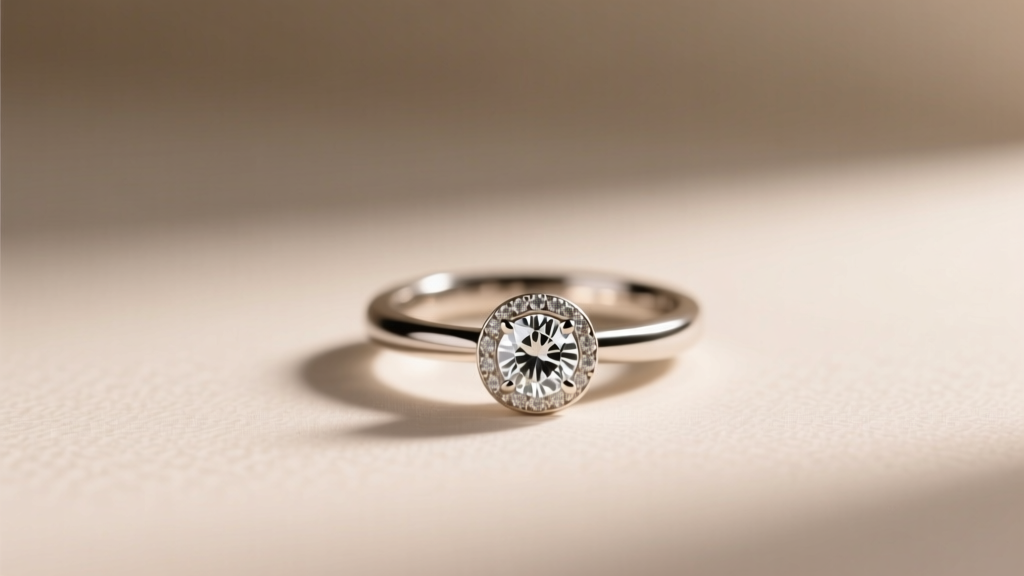
Engagement Ring Settings Explained for First-Time Buyers
Choosing an engagement ring is one of the most exciting purchases you’ll ever make—and one of the easiest to second-guess. Most first-time buyers focus on the center stone (diamond or gemstone), but the ring setting is what determines how that stone looks on the hand, how secure it is, and how it fits into your everyday life.
Ring settings also shape the “personality” of the ring. A classic solitaire can feel timeless and understated, while a halo setting can read glamorous and bold. Beyond style, the right engagement ring setting affects practical details like snagging on sweaters, how often the ring needs maintenance, and whether it will sit flush with a wedding band.
This guide breaks down popular engagement ring settings, how they compare, and what to watch for—so you can shop with confidence and choose a ring that’s beautiful, comfortable, and built to last.
What Is an Engagement Ring Setting?
The setting is the metal framework that holds the center stone (and any accent stones) in place. When people say “solitaire ring” or “halo ring,” they’re often describing the setting style. Settings come with different security levels, heights, profiles, and design details that influence sparkle and wearability.
Setting vs. Mounting vs. Ring Style
- Setting: The method and structure that holds the gemstone (prongs, bezel, channel, etc.).
- Mounting: Often used interchangeably with setting; can also refer to the entire metal portion designed to receive a stone.
- Ring style: The overall look—solitaire, halo, three-stone, vintage-inspired, minimalist, and so on.
Popular Engagement Ring Settings (and Who They’re Best For)
Prong Setting (Solitaire and Beyond)
A prong setting uses small metal “claws” to grip the stone, usually 4 or 6 prongs. This is the most common engagement ring setting because it lets in maximum light for strong brilliance—especially for round brilliant, oval, cushion, and radiant cuts.
- Best for: Buyers who want maximum sparkle and a classic look.
- Pros: Bright, airy appearance; easy to clean; timeless.
- Cons: Prongs can snag; requires occasional tightening and inspection.
4 vs. 6 prongs: Four prongs show more of the diamond and can look slightly larger; six prongs offer extra security and can protect delicate corners less, but are especially popular for round diamonds (a “Tiffany-style” classic).
Bezel Setting
A bezel setting wraps a thin rim of metal around the stone’s perimeter. Full bezels surround the entire stone; partial (or half) bezels frame only part of it. Bezel settings are gaining traction in current jewelry trends for their sleek, modern look and practical wearability.
- Best for: Active lifestyles, hands-on jobs, travel, or anyone who wants low maintenance.
- Pros: Extremely secure; smooth edges reduce snagging; protects the stone from chips.
- Cons: Slightly less light enters from the sides (still very sparkly with a well-cut diamond); resizing can be more complex depending on design.
Gemstone note: Bezel settings are excellent for softer gemstones (like opal or morganite) and for shapes with vulnerable points, such as pear, marquise, and princess cuts.
Halo Setting
A halo setting surrounds the center stone with a ring of smaller diamonds (melee). The effect: more sparkle and the illusion of a larger center stone. Halos remain popular, especially in hidden halo variations where the accent diamonds sit beneath the center stone for a subtler look.
- Best for: Maximum sparkle lovers and buyers who want a bigger visual impact without jumping in center-stone size.
- Pros: Adds brilliance; enhances finger coverage; can protect the center stone’s edge.
- Cons: More small stones = more maintenance; prongs on melee can wear over time.
Style tip: A cushion-cut or oval center diamond with a delicate halo is a current favorite, while a round diamond halo is a timeless classic.
Three-Stone Setting
Three-stone engagement rings feature a center stone with two side stones. Side stones can be diamonds or colored gemstones (sapphires are a bridal favorite). This style is meaningful and balanced, and it pairs well with many diamond cuts.
- Best for: Buyers who want presence, symbolism, and great coverage across the finger.
- Pros: Adds size and sparkle; versatile; can incorporate personal gemstones.
- Cons: More stones to insure and maintain; can feel wider on smaller hands.
Cut pairing: Oval centers look elegant with tapered baguettes; round centers pair beautifully with pear side stones for a modern-luxe feel.
Pavé Setting (and Micro-Pavé)
Pavé bands feature small diamonds set closely together along the shank, creating a “paved” surface of sparkle. Micro-pavé uses even smaller stones and finer beadwork. Pavé is popular in both classic and contemporary engagement ring styles.
- Best for: Those who want a sparkly band without a large center stone upgrade.
- Pros: High sparkle; elegant look; works with solitaires, halos, and three-stone rings.
- Cons: Small stones can loosen over time; not ideal for very rough wear.
Craftsmanship cue: Look for even spacing, smooth beadwork, and clean edges. Poor pavé work is one of the most common sources of lost stones.
Channel Setting
Channel settings secure small diamonds between two strips of metal, creating a smooth, protected row of stones. Channel-set wedding bands are also a popular match for engagement rings, making this a great option for couples thinking ahead to a coordinated set.
- Best for: Active wearers who still want a diamond-accented band.
- Pros: Secure; less snagging; stones protected from knocks.
- Cons: Can be harder to clean under the stones; resizing may be limited.
Tension Setting
Tension settings use the pressure of the metal band to hold the stone, creating a dramatic “floating” look. This style is modern and eye-catching, but it demands excellent engineering and durable metals.
- Best for: Lovers of bold, contemporary design who buy from reputable jewelers.
- Pros: Unique appearance; lots of light exposure.
- Cons: Resizing is difficult; not all stones are suitable; precision craftsmanship is critical.
Metal Choices: How the Setting Metal Affects Look and Durability
The metal you choose impacts the ring’s color, strength, maintenance, and how securely it holds stones.
- Platinum: Naturally white, dense, and highly durable. Great for prongs and long-term wear. Develops a patina over time; can be polished back to shine.
- 18K Gold: Rich color, slightly softer than 14K. Ideal for a luxe look, especially in yellow gold or rose gold.
- 14K Gold: Excellent balance of durability and value; a top choice for daily wear engagement rings.
- White Gold: Typically rhodium-plated for a bright white finish. Expect periodic replating (often every 1–3 years depending on wear).
- Rose Gold: Warm, romantic tone; durable due to copper content. Complements vintage-inspired settings and looks striking with diamonds and morganite.
Trend watch: Mixed-metal looks (yellow gold band with platinum prongs) are popular because they combine warmth with a secure, bright setting for the diamond.
Quality Factors to Check Before You Buy
Craftsmanship and Stone Security
- Prongs: Should be even, smooth, and properly aligned. Ask whether prongs are cast or hand-finished; fine finishing matters.
- Gallery and undercarriage: A well-built basket supports the stone and protects it from impact.
- Melee diamonds: In halo and pavé settings, look for uniform sparkle and consistent stone matching.
Setting Height and Lifestyle Fit
High-set rings can look elegant and maximize light, but they’re more likely to catch on clothing and take knocks. Low-profile settings are easier for everyday wear. If you use gloves often, work with your hands, or dislike snagging, prioritize a low-profile bezel or a protective prong design.
Wedding Band Compatibility
Not all engagement ring settings sit flush with a straight wedding band. Solitaires often pair easily, while large halos and ornate baskets may require a contoured band. If you’re shopping for matching wedding bands, ask to try bands alongside the engagement ring or consider a custom fit.
Practical Buying Tips (Plus Care and Maintenance)
- Get the ring inspected: Prong checks every 6–12 months help prevent stone loss, especially for pavé and halos.
- Clean safely at home: Warm water, mild dish soap, and a soft toothbrush work well for diamonds, sapphires, and rubies. Avoid harsh chemicals and ultrasonic cleaners for delicate gemstones or heavily included stones.
- Insure the ring: A setting with multiple small diamonds increases replacement complexity—insurance is smart protection.
- Match the setting to the gemstone: Diamonds (Mohs 10) are durable, but emeralds and opals need protective settings like bezels or halos with sturdy framing.
- Think about resizing: Eternity bands (stones all around) and some tension/channel designs are harder or impossible to resize. If you’re between sizes or anticipate changes, choose a resizable design.
Price Range Considerations and Value Tips
Setting prices vary widely based on metal, labor, and accent stones. As a general guide:
- Simple solitaire (14K/18K): often the best value for maximizing center stone size and cut quality.
- Pavé or halo settings: higher labor cost and more diamonds; expect a noticeable step up from a solitaire.
- Platinum settings: typically cost more than gold due to metal density and labor.
- Custom settings: priced based on complexity, CAD work, and hand finishing.
Value tip: If your budget is tight, put money into a well-cut center stone (cut quality is the biggest driver of sparkle), then choose a classic setting that can be upgraded later with a new band or anniversary enhancements.
Common Mistakes First-Time Buyers Make
- Choosing a setting that doesn’t match lifestyle: A high micro-pavé cathedral ring can be gorgeous, but frustrating if it snags daily.
- Ignoring wedding band fit: Falling in love with a setting that won’t sit flush can lead to unexpected extra costs for a curved band.
- Overlooking maintenance: Halos and pavé settings require more frequent checks; skipping them risks losing melee stones.
- Prioritizing carat over cut: A larger diamond with poor cut often looks dull compared to a slightly smaller, well-cut stone.
- Not protecting delicate gemstones: Emerald, opal, and tanzanite need thoughtful setting choices and careful wear.
FAQ: Engagement Ring Settings
Which engagement ring setting is the most secure?
Bezel settings are among the most secure because the metal rim protects the stone’s edge. A well-made 6-prong setting is also very secure for diamonds, especially round brilliants.
Do halo settings make a diamond look bigger?
Yes. A halo adds a ring of sparkle and increases the overall diameter the eye sees, often making the center stone appear larger and brighter.
What setting is best for an active lifestyle or hands-on job?
Look for a low-profile bezel or a protective prong setting with a sturdy gallery. Channel-set accents are generally more durable than pavé for everyday wear.
Can I pair any engagement ring with a wedding band?
Not always. Some settings—especially large halos, vintage-style baskets, and very low-set centers—can leave a gap with a straight band. Trying bands on together or choosing a contoured wedding band solves this.
Is platinum better than white gold for settings?
Platinum is naturally white and very durable, making it excellent for prongs and long-term wear. White gold is a great value but typically needs rhodium replating over time to maintain its bright white look.
Are pavé diamonds likely to fall out?
In a well-crafted pavé setting, it’s uncommon—but it can happen with heavy wear or if prongs/beads get damaged. Regular inspections and mindful wear (especially during workouts, gardening, or travel) greatly reduce the risk.
Next Steps: Choose the Setting That Fits Your Life and Your Style
If you’re buying your first engagement ring, start by narrowing down two things: the wearer’s lifestyle (low-profile and secure vs. high sparkle and detail) and the overall aesthetic (timeless solitaire, glamorous halo, meaningful three-stone, or sleek bezel). From there, select a durable metal like 14K gold or platinum, and prioritize quality craftsmanship—especially around prongs and pavé work.
For more help comparing engagement ring styles, wedding bands, diamond shapes, and metal types, explore more jewelry guides on weddingsift.com and keep building your ring knowledge before you buy.
More Articles
 How Much to Solder Wedding Rings (2026)
 How to Choose an Engagement Ring for Short Fingers
 Stop Wedding Rings from Spinning: 7 Non-Damaging Fixes
 Engagement Ring Upgrade Options for Anniversaries
 How to Choose a Wedding Band With a Carbon Fiber Inlay
 Paraiba Tourmaline Electric Blue Neon
 25th Wedding Anniversary Gifts for Husband (2026)
 How to Choose an Engagement Ring With a Twisted Band
 Gold Wedding Rings Are Back in Style (2026)
 Silver Wedding Rings: Risks & Better Alternatives