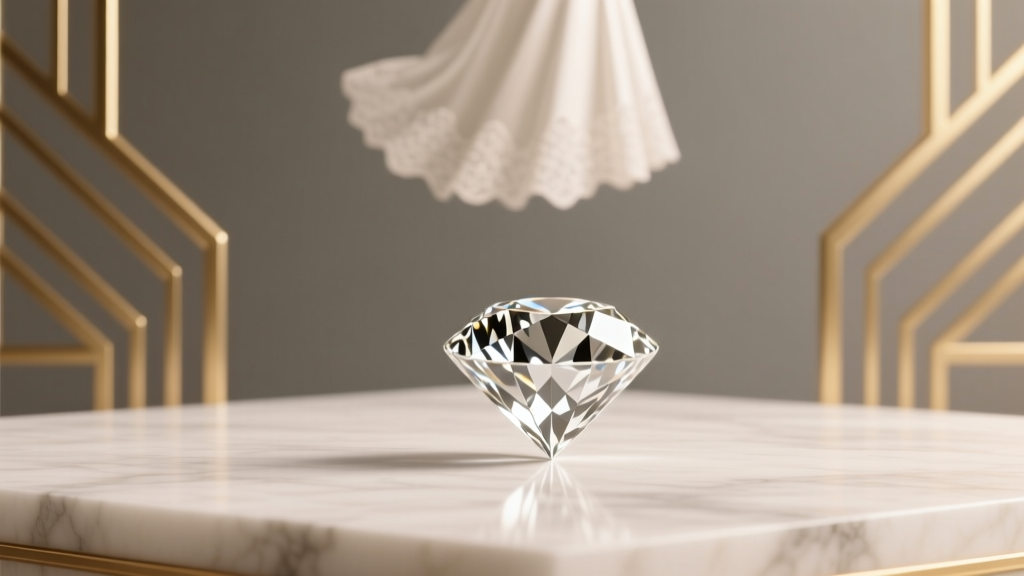
Asscher Cut Diamonds Art Deco Geometric Beauty
If you’re drawn to engagement rings with crisp geometry, mirror-like sparkle, and a distinctly vintage-meets-modern attitude, the Asscher cut diamond deserves a spot at the top of your shortlist. This square step cut is famous for its “hall of mirrors” effect—clean, symmetrical flashes that feel refined rather than twinkly. It’s a natural fit for couples who love Art Deco style, architectural lines, and jewelry that reads as intentional from across the room.
Asscher diamonds also reward thoughtful shopping. Because step cuts emphasize clarity and symmetry, the details matter: a well-cut Asscher looks mesmerizing and balanced, while a mediocre one can appear flat or show inclusions more readily than brilliant cuts. With the right guidance—metal choice, setting style, quality priorities, and realistic budgeting—you can choose an Asscher engagement ring (and wedding band pairing) that feels timeless, personal, and built to last.
What Makes an Asscher Cut Diamond Special?
A brief history and the Art Deco connection
The Asscher cut was introduced in 1902 by the Asscher Brothers of Holland and rose to fame during the Art Deco era, when bold geometry and clean lines dominated design. Today’s “Royal Asscher” (a branded version) features additional facets, but the classic Asscher silhouette remains the same: a square shape with deeply cropped corners and step-like facets that draw your eye toward the center.
Step cut vs. brilliant cut: a different kind of sparkle
Many shoppers compare an Asscher cut diamond to a round brilliant or a princess cut and wonder why it looks “calmer.” That’s by design. Brilliant cuts create lots of small, glittery flashes; step cuts create broader, slower flashes—think sheen and depth rather than sparkle spray. The payoff is elegance and clarity of pattern, especially when the stone is well proportioned.
The signature “windmill” and concentric squares
Look closely at a high-quality Asscher and you’ll often see a windmill-like motif in the center along with crisp concentric squares. These optical patterns are a good sign: they suggest strong symmetry, aligned facets, and a cut that performs as intended.
Asscher Cut Quality Factors: The 4Cs, With Step-Cut Priorities
Cut: the single biggest factor for beauty
Cut quality determines the Asscher’s hallmark hall-of-mirrors look. Because step cuts don’t hide issues the way brilliant cuts can, avoid stones that look watery, dark, or uneven. Look for:
- Excellent symmetry and polish (these matter more in step cuts).
- A lively center—not a dull “window” that looks transparent.
- Balanced corners and clean, sharp facet junctions.
Practical tip: always request high-resolution video in motion and a face-up photo in neutral lighting. Asschers can look dramatically different across lighting environments.
Clarity: step cuts show more
Asscher cut diamonds are more revealing than many popular shapes. Inclusions can be easier to spot due to larger open facets and less “sparkle camouflage.” Many couples land in the VS2–SI1 range if the stone is verified eye-clean, while those who want extra peace of mind often choose VS1–VVS2. If you’re shopping SI grades, prioritize a vendor who confirms eye-clean status and provides zoomed imagery.
Color: choose your look and your metal
Asschers can show body color more readily than round brilliants. If you want a crisp, icy look, consider G–H in platinum or white gold, or D–F if you’re especially color sensitive. If you love warmth—particularly with yellow gold or rose gold—I–J can look beautiful and vintage-leaning, especially in bezel or halo settings that influence how color is perceived.
Carat and face-up size: why Asschers can look smaller
Asschers often face up slightly smaller than rounds of the same carat weight due to their depth and cut architecture. If “looks big on the finger” is a top priority, consider going a bit higher in carat or choosing a setting that adds presence, like a halo, side stones, or a slightly thicker band.
Choosing the Right Setting: From Art Deco to Modern Minimal
Classic solitaire: clean and architectural
An Asscher solitaire is pure geometry. Four prongs highlight the square shape; double prongs add extra Art Deco character and security. A cathedral solitaire can lift the stone and create a more dramatic profile, while a low-set solitaire feels sleek and practical for everyday wear.
Halo settings: vintage glamour and extra spread
Halos are a lasting favorite in engagement ring trends because they boost finger coverage and add sparkle around the crisp center. For Asschers, two halo styles stand out:
- Micropavé halo for bright brilliance against the step-cut center.
- Geometric halo (square or octagonal) for true Art Deco vibes.
Three-stone rings: timeless and meaningful
A three-stone engagement ring pairs an Asscher center with side stones that complement its lines. Popular choices include trapezoid diamonds for a strong Deco look, baguettes for sleek symmetry, or tapered baguettes for a softer transition from center to band.
Bezel and semi-bezel: modern, secure, and chic
Bezel settings are having a moment—especially for couples who want a contemporary look and worry less about snagging. A full bezel frames the Asscher like a piece of architecture, while a semi-bezel keeps the profile airy and shows more of the diamond’s corners.
Metal Choices for Asscher Cut Engagement Rings and Wedding Bands
Platinum: premium, durable, and naturally white
Platinum is a top choice for step cuts because its white tone enhances the diamond’s clean look. It’s dense and wears by developing a patina rather than losing metal quickly. It’s also hypoallergenic for many wearers, making it ideal for daily-wear wedding jewelry.
18k vs. 14k gold: balancing color and durability
14k gold is often the practical pick for active lifestyles due to its higher alloy content and durability. 18k gold offers richer color and a more luxurious feel, though it’s slightly softer. White gold typically requires periodic rhodium plating to maintain a bright white finish—an easy maintenance step to plan for over the years.
Mixed metals: a current trend with timeless potential
Mixed metal engagement rings—like a yellow gold shank with a platinum or white gold head—are popular for good reason. They can make the diamond appear whiter while keeping the warmth of gold on the band, and they pair beautifully with mixed-metal wedding bands.
How to Pair an Asscher Engagement Ring with a Wedding Band
Asschers pair best with bands that respect their geometry. Consider:
- Straight pavé band for a classic engagement ring and wedding band set with added sparkle.
- Baguette or channel-set band for a clean, Art Deco-inspired wedding band.
- Contour band if the engagement ring sits low or has a halo that prevents a flush fit.
- Plain metal band for couples who want the diamond to stay the focal point.
Ask your jeweler about “flush fit” or “gap-friendly” designs—this small detail can make the set look intentional and feel comfortable every day.
Price Range and Value Tips for Asscher Cut Diamonds
Asscher cut diamond pricing varies widely based on carat, color, clarity, and—most crucially—cut quality. As a general guide, many couples find strong value in:
- G–H color with VS2–SI1 eye-clean clarity from a reputable seller.
- Stones just under popular carat milestones (for example, 0.90 ct instead of 1.00 ct) for better price-per-carat.
- Settings that enhance presence (halo, baguette sides) if you want a larger look without a big jump in center-stone cost.
If you’re comparing lab-grown diamonds vs. natural diamonds, lab-grown Asschers can offer a larger carat size for the same budget while still delivering the step-cut elegance. Natural diamonds may hold traditional appeal and rarity; lab-grown often wins on size/value. Choose what aligns with your priorities and your story.
Care and Maintenance: Keeping Step Cuts Looking Crisp
Asscher diamonds show off their beauty when clean. Everyday lotions, soap residue, and skin oils can soften the sharp reflections.
- At-home cleaning: Use warm water, mild dish soap, and a soft toothbrush. Brush under the setting where buildup collects. Rinse well and pat dry with a lint-free cloth.
- Avoid harsh chemicals: Chlorine and abrasive cleaners can damage metals and loosen stones over time.
- Professional checkups: Have prongs and settings inspected every 6–12 months, especially for pavé halos or delicate prong work.
- Storage: Store your engagement ring separately to avoid scratching other jewelry (diamonds can scratch metal and gemstones).
Common Mistakes to Avoid When Shopping for an Asscher Cut Ring
- Choosing by certificate stats alone: Two Asschers with similar grades can look very different. Always evaluate photos and video.
- Underestimating clarity needs: Step cuts can reveal inclusions. Confirm eye-clean standards, especially in SI grades.
- Ignoring face-up size: Asschers can appear smaller than expected for the carat weight. Check millimeter measurements.
- Picking a setting that doesn’t protect corners: While Asschers have cropped corners, they still benefit from secure prongs or a bezel, especially for daily wear.
- Forgetting band compatibility: A halo or low basket can prevent a straight wedding band from sitting flush—plan the set early.
FAQ: Asscher Cut Diamonds for Engagement Rings
Do Asscher cut diamonds sparkle enough for an engagement ring?
Yes, but the sparkle is different. Asschers create broader, mirror-like flashes rather than the glittery scintillation of round brilliants. If you like a refined, elegant look with depth, an Asscher is a great choice.
What clarity grade is best for an Asscher cut diamond?
Many couples aim for VS2–VS1 for easy eye-clean confidence. SI1 can work well if the vendor confirms it’s eye-clean and the inclusions aren’t centered or highly reflective. Step cuts are less forgiving than brilliant cuts, so clarity matters more.
What setting looks most “Art Deco” with an Asscher?
Geometric halos, baguette side stones, and milgrain detailing are the most Art Deco-leaning options. Pairing an Asscher with tapered baguettes or trapezoids in platinum is a timeless Deco classic.
Is an Asscher cut good for everyday wear?
Absolutely, especially in a secure setting. Consider a bezel, double prongs, or a well-built basket. If you have an active lifestyle, prioritize a lower profile and sturdy craftsmanship.
Do Asscher diamonds look smaller than round diamonds?
Often, yes. Because of how they’re cut, Asschers can face up smaller than rounds at the same carat weight. Checking millimeter dimensions and considering halos or side stones can help achieve the presence you want.
Can I pair an Asscher engagement ring with a straight wedding band?
Usually, yes with many solitaire designs. With halos or low-set baskets, you may need a contour band or a custom-fitted wedding band to avoid a gap.
Next Steps: Choosing an Asscher You’ll Love for Life
An Asscher cut engagement ring is for couples who appreciate structure, symmetry, and a distinctive kind of brilliance—equal parts vintage glamour and modern sophistication. Prioritize cut and symmetry, be intentional about clarity and metal color, and choose a setting that supports both your style and your everyday routine. If you’re building a coordinated engagement ring and wedding band set, plan the fit from the start so the pieces look seamless together.
For more expert guidance on diamond shapes, wedding bands, metals, settings, and current engagement ring trends, explore the jewelry guides at weddingsift.com.
More Articles
 Do Men Wear Engagement Rings Before Marriage?
 Jewish Wedding Ring Traditions Explained
 Wedding Ring on Middle Finger Meaning (2026)
 Jewelry FAQ: Answers From a Metalsmith
 Wedding Set Order: How to Stack Rings Correctly (2026)
 Engagement Ring Settings Explained for First-Time Buyers
 How to Clean a Tungsten Wedding Ring Safely
 How to Protect and Store Wedding Jewelry
 How Much Gold Is in a Wedding Band? (2026)
 How to Accessorize a Strapless Wedding Dress