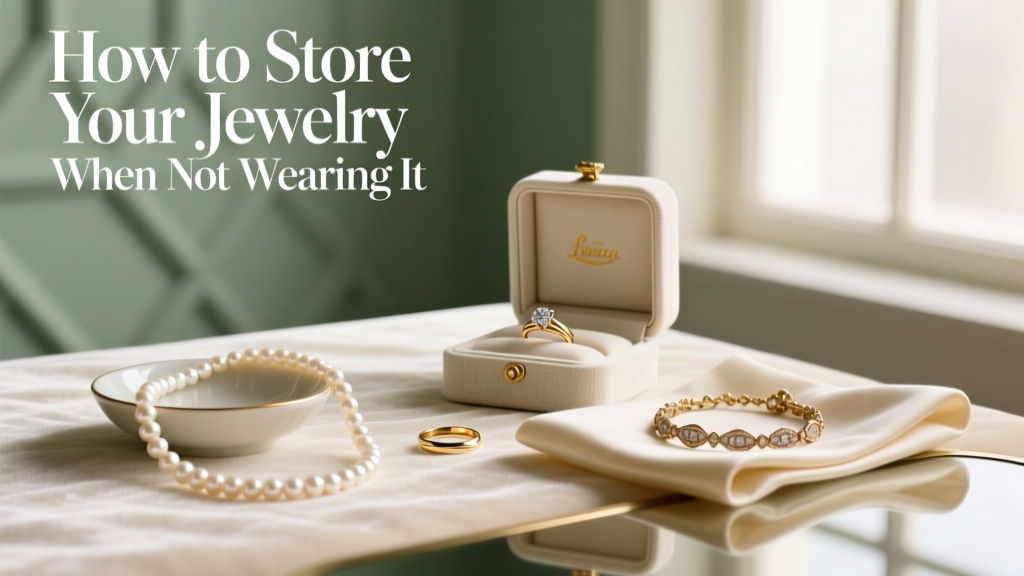
How to Store Your Jewelry When Not Wearing It
Your engagement ring and wedding band are meant to be lived in—admired in photos, worn through daily routines, and passed down with stories attached. But even the most beautifully made jewelry can lose its sparkle (or get damaged) when it’s stored carelessly between wears. The good news: smart storage is simple, and it protects both the look and the value of your pieces.
Couples often focus on the big decisions—diamond cut, carat weight, platinum vs. gold, prong vs. bezel—then overlook what happens once the rings come off. A ring tossed into a bathroom dish or dropped into a purse pocket can develop scratches, loosened stones, chipped gemstones, or dulled metal faster than you’d expect. Proper storage is part of good craftsmanship care, just like cleaning and routine inspections.
This guide breaks down the best ways to store engagement rings, wedding bands, and everyday jewelry based on metal type, gemstone hardness, and setting style—plus what to avoid, what’s worth buying, and how to keep your pieces looking “just polished” for years.
Why Jewelry Storage Matters (Especially for Engagement Rings & Wedding Bands)
Jewelry storage isn’t only about organization. It prevents three common problems:
- Scratching: Metals (even platinum) can scratch, and diamonds can scratch almost anything—including other diamonds.
- Impact damage: Dropping a ring can chip a gemstone or bend prongs, especially on raised settings like solitaires and halos.
- Moisture and chemical exposure: Humidity and residue from lotions, perfumes, and cleaning products can dull metals and cloud gemstones over time.
For couples shopping for engagement rings and wedding bands, good storage also protects the features you paid for—precision setting work, crisp pavé, a well-cut center stone, and a clean, bright finish.
Know Your Materials: Storage Rules by Metal and Gemstone
Metals: Gold, Platinum, White Gold, and Alternative Metals
14K and 18K gold (yellow, white, rose): Gold is relatively soft, which means it can scratch if stored loose with other pieces. Store gold rings separately, ideally in fabric-lined compartments. White gold is typically rhodium plated; friction in storage can wear plating faster.
Platinum: Platinum is durable, but it develops a patina (a soft, matte look) over time from tiny surface marks. If you love a high-polish platinum finish, store it in a soft pouch or lined box to reduce rubbing.
Sterling silver: Silver is prone to tarnish when exposed to air and humidity. Airtight storage or anti-tarnish strips help significantly.
Titanium, tungsten, stainless steel: These are scratch-resistant compared to gold, but they can still scuff other jewelry if stored together. Tungsten is also brittle; a hard fall can cause cracking. Store separately in a pouch or compartment.
Gemstones: Diamonds, Moissanite, Sapphires, Emeralds, and Pearls
Diamonds: Diamonds rank 10 on the Mohs hardness scale, so they can scratch other gemstones and metals. Store diamond engagement rings away from other jewelry, and avoid letting two diamond rings touch.
Moissanite: Moissanite is very hard (9.25), excellent for everyday engagement rings. Still, it can scratch softer gems and should be stored separately to prevent scuffing and abrasions on other pieces.
Sapphires and rubies: Both are corundum (Mohs 9), durable for daily wear. Protect them from impacts and store away from diamonds to avoid surface scuffing over time.
Emeralds: Emeralds are usually treated with oils or resins to improve clarity. They’re more prone to chipping due to inclusions and should be stored in a soft pouch, away from harder stones.
Pearls and opals: These are softer and sensitive to dryness, heat, and chemicals. Never store them in airtight plastic long-term; a soft fabric pouch in a cool, dry place is better.
Storage by Ring Style and Setting Type
Solitaires, Cathedral Settings, and High-Set Stones
Classic solitaires and cathedral settings look stunning because the center stone is elevated for maximum light return and sparkle. The tradeoff is exposure: prongs can snag and bend if the ring is tossed into a drawer or knocked against other pieces. Store these rings in individual slots or a ring box with a padded insert.
Halo, Pavé, and Micro-Pavé Bands
These popular engagement ring trends rely on many tiny stones secured by small beads of metal. Friction and impact can loosen pavé over time. Store halo and pavé rings where they won’t rub against harder surfaces—no piling them together in a single compartment.
Bezel Settings and Low-Profile Rings
Bezel-set engagement rings and low-profile styles are among today’s most practical trends for active lifestyles. They’re generally easier to store because they snag less, but they still deserve separation from other jewelry to prevent metal scuffs and gemstone abrasion.
Eternity Bands and Stacking Rings
Eternity bands (especially with diamonds or gemstones all the way around) can scratch neighboring rings when stored together. If you wear stacks, consider storing them individually rather than keeping the entire stack in one pile.
The Best Places and Containers to Store Jewelry
A Fabric-Lined Jewelry Box with Separate Compartments
This is the most versatile option for couples with multiple pieces (engagement ring, wedding band, honeymoon jewelry, everyday studs). Look for:
- Soft velvet or suede lining
- Dedicated ring rolls or slots
- Dividers that keep items from touching
- A secure clasp or lock if you have valuable pieces
Individual Ring Boxes (Great for Engagement Rings)
Your engagement ring likely came with a fitted box—use it. A single ring box prevents movement and protects prongs. If you travel often, a compact travel ring box is one of the best small purchases you can make for long-term care.
Soft Pouches for Delicate Pieces
Soft pouches work well for pearls, emerald jewelry, and pieces with intricate metalwork. Choose lint-free fabric and avoid abrasive materials.
Anti-Tarnish Storage for Silver
If you have sterling silver wedding jewelry or heirloom silver pieces, store them with anti-tarnish strips or in anti-tarnish bags. Keep away from humid bathrooms.
A Safe or Safety Deposit Box for High-Value Jewelry
For higher-carat diamond engagement rings, fancy shape diamonds, or heirloom pieces, a home safe adds peace of mind. If you store jewelry long-term, wrap pieces individually (soft pouch or tissue) before placing them inside the safe to prevent scratching.
Daily Care Habits That Make Storage More Effective
Remove Rings Before “High-Risk” Activities
Even the best ring setting can suffer under pressure. Take off your engagement ring and wedding band before weightlifting, gardening, swimming, using harsh cleaners, or applying thick lotions and sunscreen.
Do a Quick Clean Before Long Storage
For diamonds, moissanite, sapphires, and rubies: a gentle soak in warm water with mild dish soap, then a soft toothbrush around the setting can remove oils that dull sparkle. Dry thoroughly before storing. Avoid harsh chemicals and ultrasonic cleaners for emeralds, pearls, and heavily included stones.
Schedule Routine Inspections
Prong checks and stone tightening are normal maintenance—especially for pavé bands and halos. Many jewelers recommend inspections every 6–12 months to ensure diamonds and accent stones stay secure.
Price Range Considerations: What’s Worth Spending on Storage?
Jewelry storage can be as affordable or as elevated as you want. The best value is choosing storage that matches your jewelry’s value and your lifestyle.
- $10–$30: Soft pouches, anti-tarnish strips, simple travel cases. Ideal if you’re starting out or traveling.
- $30–$100: A quality jewelry box with compartments and ring rolls. Great for couples organizing engagement rings, wedding bands, and everyday pieces.
- $100–$300+: Larger organizers, premium finishes, lockable boxes, and dedicated watch/jewelry valet trays. Worth it if you have multiple fine pieces or heirlooms.
- $150–$1,000+: Home safe solutions. Consider this if your engagement ring or wedding set is high value, you travel frequently, or you want extra security.
Value tip: If you spent time comparing diamond cut quality, clarity, and setting craftsmanship, don’t store that ring like costume jewelry. A modest investment in a travel case and a compartmentalized box prevents repair costs later.
Common Mistakes to Avoid (Shopping and Storage)
- Storing pieces together “because it’s temporary”: Most scratches happen during quick moments—on a nightstand, in a purse, or in a drawer.
- Using the bathroom as your main storage spot: Humidity speeds tarnish and can affect finishes over time.
- Letting diamond jewelry touch other jewelry: Diamonds can scratch gold bands and softer gemstones.
- Assuming platinum can’t scratch: Platinum is tough, but it still marks. Separate storage preserves a polished look.
- Buying a jewelry box with rough interiors: Cheap linings or exposed wood edges can abrade prongs and metal.
- Skipping inspections for pavé and halos: Tiny stones are secure until they aren’t. Regular checks are the best prevention.
Current Trends and Timeless Classics: Storage Needs for Both
Trendy styles like stacked wedding bands, hidden halo engagement rings, east-west settings, and mixed-metal sets often include more edges, stones, and delicate details—meaning they benefit from separated compartments and careful travel storage.
Timeless classics—solitaire engagement rings, plain gold wedding bands, and three-stone rings—are typically easier to maintain, but they still deserve proper storage to keep metal finishes crisp and prongs protected. A classic ring can last a lifetime; storage is one of the habits that makes that true.
Conclusion: A Simple Storage Plan That Protects Your Wedding Jewelry
If you want the most practical, jeweler-approved approach: store your engagement ring and wedding band separately, in a soft-lined compartment or individual ring box, keep jewelry out of humid spaces, and use a travel ring case whenever you’re away from home. Pair that with occasional cleaning and routine prong checks, and your rings will keep their brilliance and structure for decades.
For more guidance on choosing, wearing, and caring for engagement rings and wedding bands, explore the jewelry guides on weddingsift.com.
FAQ: Storing Engagement Rings, Wedding Bands, and Fine Jewelry
Should I store my engagement ring and wedding band together?
If both rings have diamonds or textured details, storing them together can cause scratches over time. It’s safer to store them in separate slots or pouches. If you prefer to keep them together, use a fitted ring roll that keeps them from rubbing.
Can diamonds really scratch other jewelry?
Yes. Diamonds are the hardest common jewelry material and can scratch gold, platinum, and softer gemstones like emerald, opal, and pearl. Keep diamond rings from touching other pieces in storage.
Is it okay to store jewelry in the original ring box?
Absolutely. The original box is designed to fit and stabilize the ring, which is especially helpful for prong-set solitaires, halos, and cathedral settings. For daily convenience, many couples keep a small ring dish elsewhere—but the box offers better protection.
How do I prevent sterling silver from tarnishing in storage?
Store silver in an anti-tarnish bag or an airtight container with anti-tarnish strips, and keep it away from humid environments. Make sure the piece is clean and dry before storing.
What’s the best way to store rings while traveling or at the gym?
Use a dedicated travel ring box with a padded, secure closure. Avoid pockets, cosmetics bags, or tossing rings into a purse—those are common ways rings get lost or prongs get damaged.
Do pearls and emeralds need special storage?
Yes. Pearls prefer soft fabric storage and don’t love airtight plastic for long periods. Emeralds are more chip-prone and often treated, so store them in a soft pouch away from harder gemstones and avoid harsh cleaning before storage.
More Articles
 How to Choose an Engagement Ring With a Vintage Engraving
 How to Choose a Wedding Band With a Matte Finish
 Emerald Cut Diamonds Step Cut Elegance
 How to Negotiate the Price of an Engagement Ring
 Wedding Band Etiquette Rules (2026)
 How to Shop for Engagement Rings Online Safely
 5 Year Anniversary Jewelry Gifts: Sapphire and Wood Ideas
 Heart-Shaped Diamonds Romantic and Unique
 Wedding Ring Payout: 7 Real Factors (2026)
 Can You Resize a Wedding Ring Bigger? (2026)