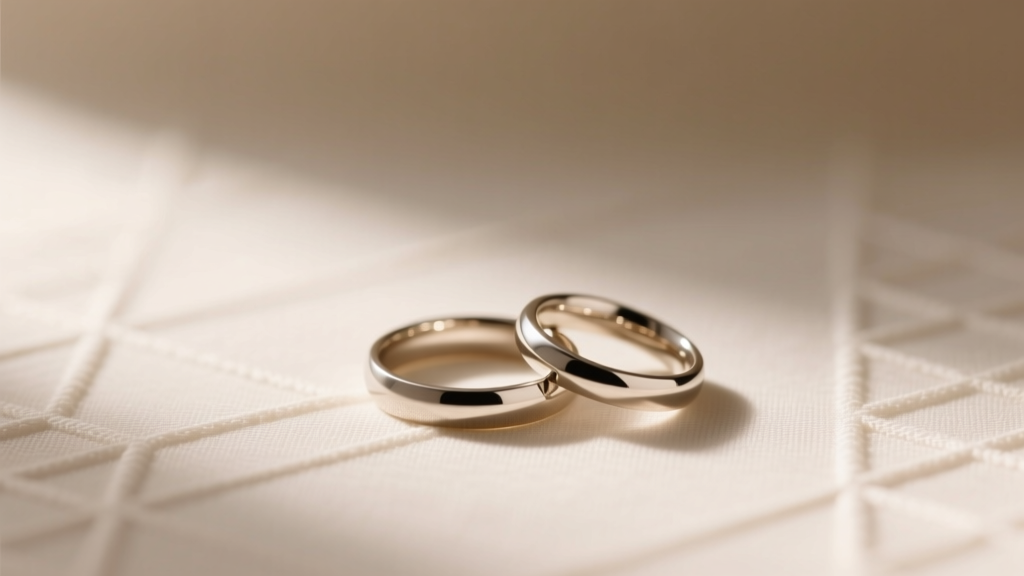
Wedding Ring Etiquette for Second Marriages
Shopping for wedding rings for a second marriage often comes with a different set of questions than the first time around. Couples tend to be clearer about what they want—more personal, more practical, and more aligned with real life—yet they may also feel pressure around traditions, family expectations, and what’s “appropriate.” The good news: modern wedding ring etiquette isn’t about rigid rules. It’s about choosing rings that reflect your commitment and your comfort.
From deciding whether to reuse an old diamond to figuring out which hand to wear your band on, ring choices can carry emotional meaning. Add in budget priorities, blended families, and evolving jewelry trends, and it helps to have a jeweler’s perspective. This guide breaks down second marriage ring etiquette in a straightforward way, along with materials, styles, quality factors, price ranges, and practical buying advice so you can shop confidently.
Second Marriage Ring Etiquette: The “Rules” and the Realities
There’s no universal rule—only thoughtful choices
Etiquette for second marriages is less about following a script and more about intention. Some couples want a completely fresh start with new wedding bands and a new engagement ring. Others prefer to incorporate an existing gemstone or heirloom setting to honor family history. Both approaches are widely accepted today, as long as the choice feels respectful to your relationship and circumstances.
Do you “need” an engagement ring the second time?
No—yet many couples still choose an engagement ring because they enjoy the symbolism and the beauty. Second-marriage engagement rings are often more streamlined: a classic solitaire, a low-profile setting, or even a meaningful gemstone (sapphire, emerald, or morganite). Others skip the engagement ring entirely and choose matching wedding bands, a diamond eternity band, or a ring upgrade for the wedding day.
Should you wear your ring on the left hand or the right hand?
In many Western traditions, the wedding band is worn on the left ring finger. For a second marriage, some people keep the tradition; others switch to the right hand, especially if they prefer not to “replace” what the first ring represented. There’s also a practical factor: if you already wear a meaningful ring on your left hand (like an heirloom or a family ring), moving the wedding band to the right can reduce stacking discomfort.
What to Do With Rings From a Previous Marriage
Keeping it, resetting it, selling it, or passing it down
Many people wonder whether it’s bad luck or “wrong” to reuse a diamond from a prior relationship. In today’s jewelry world, resetting is common and usually considered perfectly appropriate—especially if you own the stone and associate it more with your personal journey than your former marriage.
- Resetting a diamond: A popular option. You keep the gemstone but create an entirely new ring design—new metal, new setting, new proportions—so it feels like a fresh piece.
- Redesigning an heirloom ring: If your first ring became part of family history, you may choose to keep it intact for a child or future heir.
- Selling or trading in: Many jewelers offer trade-in programs. Expect resale value to be lower than retail, especially for small diamonds or mass-market settings.
- Keeping it stored: Some people simply keep prior rings in a safe deposit box. If there are children involved, clarity about future ownership can prevent misunderstandings later.
When not to reuse an existing ring
If the ring causes emotional discomfort for you or your partner, it’s not worth forcing. Also avoid reusing a setting that’s worn, thin at the shank, or loose at the prongs—safety and longevity matter more than sentiment. A jeweler can inspect prong integrity, band thickness, and stone security before you decide.
Choosing Your Second Marriage Wedding Rings: Styles That Feel Right
Timeless classics that always work
Classic wedding ring styles tend to shine in second marriages because they’re versatile, durable, and easy to wear daily:
- Comfort-fit bands: Rounded interior edges for easy wear—excellent for people not used to rings.
- Plain metal bands: Yellow gold, white gold, platinum, or modern alternatives like titanium. Simple, elegant, and low maintenance.
- Solitaire engagement rings: One center diamond (often round brilliant, oval, or cushion cut) in a secure setting like a 4- or 6-prong head.
Current trends couples love for second marriages
Trends today lean toward personalization and comfort, not flash for flash’s sake:
- Low-profile settings: A lower-set center stone reduces snagging and suits an active lifestyle.
- Oval and elongated cuts: Oval, emerald, and pear cuts are popular for flattering finger coverage and a modern look.
- Mixed metals: Pairing yellow gold with a platinum head (for strength around prongs) or stacking different metal tones for contrast.
- Meaningful colored gemstones: Sapphires (excellent durability), rubies, emeralds, or even salt-and-pepper diamonds for a distinctive aesthetic.
Settings and craftsmanship details to pay attention to
Second marriage rings are often chosen with everyday wear in mind. Look for craftsmanship that supports longevity:
- Prong quality: Prongs should be even, smooth, and substantial enough to protect the girdle of the stone.
- Band thickness: For daily wear, many jewelers recommend around 1.8–2.2mm minimum thickness (varies by design).
- Secure settings: Bezel and half-bezel settings offer excellent security; prong settings can be very secure when well-made and maintained.
- Pavé and micropavé: Beautiful sparkle, but requires more maintenance and careful wear to prevent tiny stones from loosening.
Metals and Gemstones: Practical, Beautiful Choices
Best metals for wedding bands and engagement rings
- Platinum: Naturally white, dense, and durable. Develops a patina over time; can be polished. Great for people who want a premium, long-lasting metal.
- 14K gold: A top choice for durability and value. Less prone to scratching than softer 18K gold while still looking rich.
- 18K gold: Higher gold content and warmer tone. Slightly softer—fine for most wearers, but may show wear a bit faster.
- Palladium: A naturally white metal (when available) that can be lighter than platinum.
- Titanium and tungsten carbide: Popular for men’s wedding bands due to affordability and scratch resistance (especially tungsten). Note: tungsten can crack under heavy impact, and resizing can be difficult or impossible for some alternative metals.
Gemstone durability: what holds up best
If you’re choosing a gemstone engagement ring, durability matters for everyday wear:
- Diamond: The hardest gemstone (Mohs 10), excellent for daily wear. Consider cut quality for brilliance—excellent or ideal cuts sparkle noticeably more.
- Sapphire: Mohs 9, one of the best diamond alternatives. Available in blue, pink, yellow, and white.
- Ruby: Mohs 9 (a variety of corundum like sapphire). Vibrant and durable.
- Emerald: Beautiful but softer and more included; better for careful wear or protective settings like bezels.
- Morganite: Soft compared to sapphire/diamond; can scratch over time. Choose protective settings and commit to maintenance.
Quality Factors That Affect Beauty and Value
Diamonds: prioritize cut first
For diamond engagement rings, cut quality has the biggest impact on sparkle. A well-cut round brilliant will often outshine a larger diamond with a mediocre cut. Next, consider:
- Clarity: Many couples find eye-clean SI1–VS2 diamonds offer great value.
- Color: Near-colorless grades (G–I) often look bright in white metals; warmer tones can look gorgeous in yellow gold.
- Carat: Choose a size that suits your lifestyle and setting style. Elongated shapes (oval, marquise) can look larger per carat.
Band details: finishing, engraving, and comfort
Look at the finishing quality: crisp edges where appropriate, smooth interior surfaces, and consistent polish. Consider comfort-fit for daily wear. Custom engraving—dates, initials, or a short phrase—adds meaning without changing the overall look.
Price Range Considerations and Smart Value Tips
Typical budgets for second marriage rings
Budgets vary widely, and second marriages often focus on value and wearability:
- Simple wedding bands: Around $200–$1,500 depending on metal (tungsten vs. gold vs. platinum) and width.
- Diamond-accent bands: Often $800–$3,500+ depending on total carat weight and craftsmanship.
- Diamond engagement rings: Commonly $2,500–$12,000+ depending on center stone, cut quality, and setting.
- Resetting an existing diamond: Frequently $500–$3,000+ depending on the new setting and labor complexity.
How to get better value without sacrificing quality
- Choose 14K gold for durability and savings compared to platinum, unless platinum’s weight and prestige matter to you.
- Consider lab-grown diamonds for larger size and high quality at a lower price point. Natural diamonds retain traditional rarity value; lab-grown offers maximum sparkle per dollar.
- Go for eye-clean clarity rather than paying for flawless grades that look identical at normal viewing distance.
- Prioritize a secure setting (and a reputable jeweler) over decorative details that compromise durability.
Practical Buying Tips for Second Marriage Wedding Rings
Measure lifestyle before choosing a ring style
If you work with your hands, travel often, or prefer low maintenance, consider low-profile settings, bezel-set gemstones, and smoother band designs. High-set center stones and delicate pavé can be stunning, but they require more care.
Think about stacking and fit
If you want to wear an engagement ring and wedding band together, check how they sit as a set. Some rings need a contoured band or a notch to sit flush. Comfort-fit bands can feel better for daily wear, especially for wider widths.
Get the paperwork
For diamonds, ask for a grading report from a respected lab (such as GIA for natural diamonds; IGI is common for lab-grown). For colored gemstones, ask about treatments (heat treatment in sapphire is common; clarity enhancement in emerald is also common). Transparency protects your long-term value.
Care and Maintenance: Keep Your Rings Looking New
- Clean regularly: Warm water, mild dish soap, and a soft toothbrush work well for most diamonds, sapphires, and gold/platinum settings.
- Avoid harsh chemicals: Chlorine can damage gold alloys and is tough on jewelry over time.
- Schedule inspections: Have prongs and stone settings checked about every 6–12 months, especially for pavé and shared-prong designs.
- Store safely: Keep rings in a soft pouch or separate compartments to avoid scratches—diamonds can scratch other jewelry.
- Remove for impact-heavy activities: Gym lifting, gardening, and heavy tools can bend prongs or deform bands.
Common Mistakes to Avoid When Shopping for Second Marriage Rings
- Buying based on guilt or outside opinions: Rings should reflect your relationship, not a social checklist.
- Ignoring durability for trendy designs: Ultra-thin bands and fragile settings can cost more long-term in repairs.
- Assuming alternative metals can be resized: Many tungsten and titanium bands cannot be resized—confirm before purchasing.
- Skipping a professional inspection on older rings: If you’re reusing a stone or ring, check prongs, wear patterns, and structural integrity.
- Overpaying for “invisible” upgrades: For diamonds, a jump from VS1 to VVS2 may not change what you see, but it changes the price.
FAQ: Wedding Ring Etiquette for Second Marriages
Is it acceptable to use the same engagement ring for a second marriage?
Yes, if it feels right for both partners. Many people choose to reset the diamond into a new setting so the ring represents the new relationship while keeping a valuable gemstone.
Should we choose simpler wedding bands for a second marriage?
Simple bands are popular because they’re timeless, comfortable, and easy to wear daily, but there’s no requirement to “scale down.” Choose a style that suits your taste and lifestyle.
Can I wear my first wedding band and my second wedding band together?
Some people do, especially if the first ring represents a chapter of life rather than a current relationship (often when children are involved). If it’s emotionally or relationally complicated, consider wearing the earlier ring on the right hand or as a pendant.
Are lab-grown diamonds appropriate for second marriage engagement rings?
Absolutely. Lab-grown diamonds are a current trend for value-focused couples, offering excellent quality and larger carat options at a lower cost. Natural diamonds remain a classic choice for traditional rarity and long-term market perception.
What’s the best wedding ring metal for everyday wear?
Platinum and 14K gold are top picks for daily wear. Platinum is very durable and naturally white; 14K gold balances durability and affordability. Your best choice depends on budget, skin sensitivity, and preferred color.
How do we handle family expectations about rings in a second marriage?
Keep it simple: choose rings that feel respectful and authentic. If you’re using an heirloom or repurposing a diamond, communicate openly and keep the focus on your shared commitment.
Your Next Steps: Choose Rings That Reflect This Chapter
The best second marriage wedding rings blend meaning with practicality: a durable metal, a comfortable fit, a secure setting, and a style you’ll be proud to wear every day. Whether you choose a classic gold band, a platinum comfort-fit ring, a low-profile diamond solitaire, or a reset gemstone with a fresh design, modern etiquette supports what matters most—your intentional choice.
If you’re comparing wedding bands, engagement ring settings, or gemstone options, explore more expert jewelry guides on weddingsift.com to help you narrow down the perfect ring for your next chapter.
More Articles
 Lab-Grown vs Natural Diamonds in 2026
 How to Choose a Wedding Band With a Brushed Gold Finish
 How to Start Engagement: A Practical, Step-by-Step Guide for Jewelry Makers and Couples
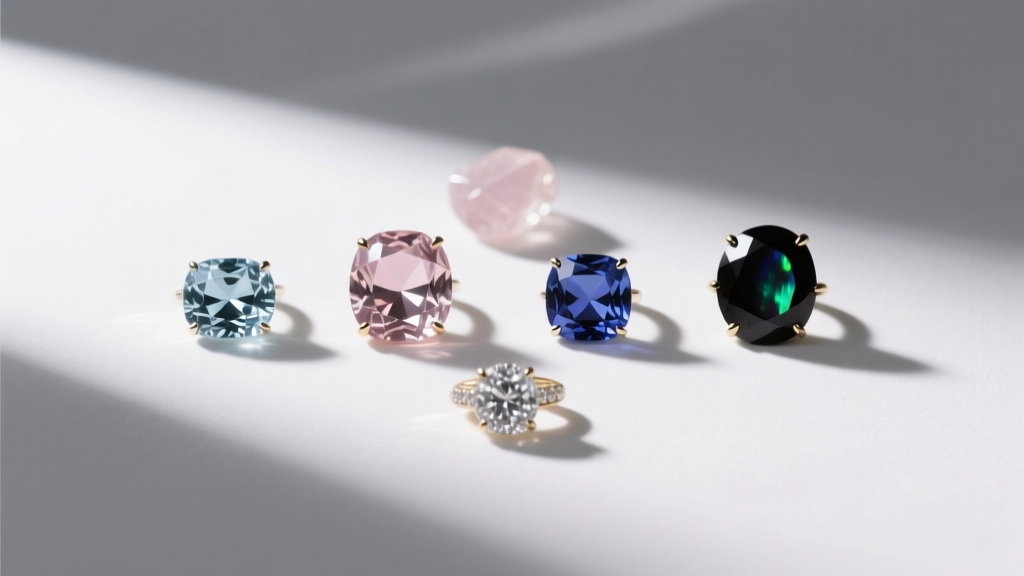 Alternative Engagement Stones Beyond Diamonds
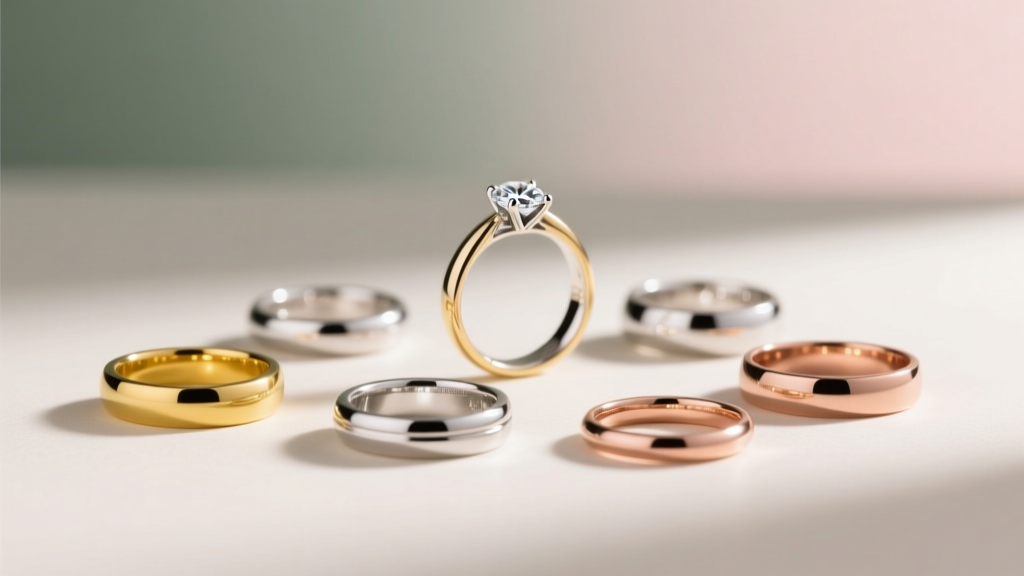 Wedding Ring Metals: Gold, Silver, Platinum & Rose Gold
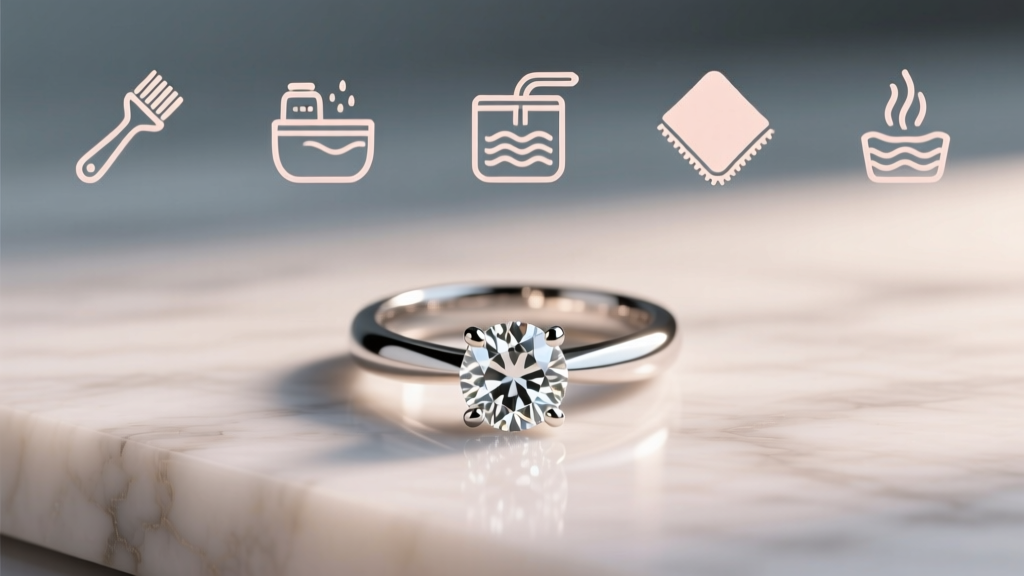 Clean Wedding Ring at Home: 5 Safe Methods (2026)
 What Carat Size Should Your Engagement Ring Be
 Are Wedding Rings Biblical? What Scripture Says
 Clean Wedding Ring Safely at Home: 7 Proven Methods (2026)
 Wedding Dress Shopping Guest Limit: 2–3 People