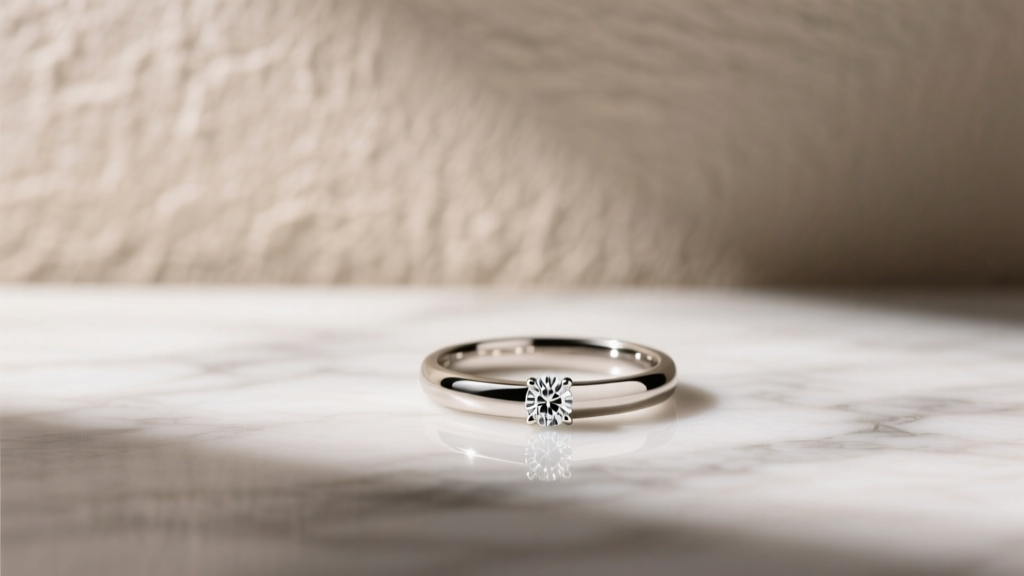
How to Choose an Engagement Ring With a Low Profile
A low profile engagement ring sits closer to the finger than traditional high-set styles. It’s a smart choice for anyone who loves the look of a diamond (or gemstone) ring but wants something practical for daily life—think typing, gardening, working with your hands, or simply not wanting a center stone that catches on sweaters and hair.
Low profile doesn’t mean “less beautiful.” Some of today’s most sought-after engagement ring trends—like bezel settings, sleek solitaires, and modern minimalism—naturally lean low. At the same time, timeless classics can be adapted into a lower setting with the right craftsmanship. The goal is balance: a flattering silhouette, secure stone protection, and a ring that pairs well with a wedding band.
This guide breaks down how low-profile settings work, which gemstones and cuts look best, what to look for in metals and craftsmanship, and how to shop confidently—whether you’re browsing online or working with a local jeweler.
What “Low Profile” Really Means (and Why It Matters)
When jewelers talk about a ring’s profile, they’re referring to how high the center stone and setting rise above the finger. A low-profile engagement ring typically has:
- A lower “head” or basket (the structure holding the stone)
- A stone that sits closer to the shank (the band)
- More protective metal coverage around the gemstone, depending on the setting
Benefits of a Low Profile Engagement Ring
- Comfort for everyday wear: Less snagging on clothing, gloves, or hair.
- Better durability: Lower settings reduce leverage on prongs, which helps prevent loosening over time.
- Easy pairing with active lifestyles: A popular choice for nurses, teachers, chefs, athletes, and anyone who uses their hands constantly.
- Modern, streamlined style: Low settings align well with minimalist and contemporary design trends.
Potential Trade-Offs to Know
- Less “height” and drama: A high-set solitaire can look more elevated from the side.
- Wedding band fit: Some low baskets may block a straight band from sitting flush unless designed thoughtfully.
- Cleaning access: Very tight, closed settings can be slightly harder to clean under the stone.
Best Low Profile Engagement Ring Settings
Bezel Setting (Top Choice for Low Profile + Security)
A bezel setting wraps a rim of metal around the gemstone’s edge. It’s one of the most secure, low-profile engagement ring settings available and a major trend in 2025 for couples who want clean lines and practical wear.
- Best for: Active lifestyles, frequent travelers, anyone who wants maximum protection
- Style notes: Modern, sleek, and flattering on many hand shapes
- Consider: A full bezel offers the most protection; a partial bezel can feel lighter and show more of the stone
Low Basket / Cathedral-Lite Prong Setting
If you love the classic look of prongs but want a lower silhouette, look for a low basket (a supportive structure under the stone) with prongs that don’t lift the diamond too high. Some “cathedral” styles can also be made low-profile—think gentle arches for support rather than tall peaks.
- Best for: Traditional solitaires with a practical upgrade
- Style notes: Timeless and bright—prongs allow maximum light entry
- Consider: Ask for a gallery rail (a supportive band under the prongs) to improve security
Flush / Gypsy Setting (Ultra Low, Very Durable)
A flush setting (sometimes called a gypsy setting) sets the gemstone into the metal so the top of the stone sits near the surface. This is extremely low profile and very snag-resistant. It’s more common with smaller stones or accent diamonds, but it can work with a center stone depending on design.
- Best for: Minimalist tastes, low-maintenance wear, people who dislike prongs
- Consider: Not ideal for very large center stones if you want a traditional engagement ring look
Halo Settings—Low, Not High
Halo engagement rings can be low profile if the center stone is set into a low basket and the halo is built close to the finger. Halos remain a favorite for maximizing sparkle and visual size without increasing carat weight dramatically.
- Best for: Extra brilliance, budget-friendly “bigger look”
- Consider: Choose a halo with strong craftsmanship—tiny pavé diamonds require excellent setting work to stay secure
Choosing a Gemstone and Cut That Works Well in a Low Profile
Diamond vs. Moissanite vs. Sapphire
- Diamond: The classic engagement ring gemstone. Excellent for daily wear (Mohs 10). A low-profile setting is a great match because it protects edges and prongs.
- Moissanite: Very durable (Mohs ~9.25) with bold sparkle. It can look especially brilliant in bezel or low prong settings.
- Sapphire: A timeless alternative (Mohs 9) available in blue, white, pink, and more. Great for low-profile rings because it’s tough enough for everyday wear, especially when protected with a bezel or sturdy prongs.
Best Cuts for Low Profile Rings
- Round brilliant: A universal favorite and easy to secure. Excellent light return even in lower settings.
- Oval: Popular and flattering on the finger. Consider a bezel or protective prongs because ovals can snag at the ends.
- Cushion: Soft corners make it practical and comfortable. Looks beautiful in bezel, halo, or low prongs.
- Emerald cut: Elegant and trend-forward with a vintage-meets-modern feel. Needs secure corner protection; a bezel or prongs with a strong basket are ideal.
Cuts That Need Extra Protection
- Pear and marquise: Pointed tips are vulnerable. Choose a bezel or V-prongs at the tip(s).
- Princess cut: Sharp corners can chip if exposed. Look for prongs that fully cover corners or consider a bezel.
Metal Choices for Low Profile Engagement Rings
Platinum
Platinum is a top-tier choice for low profile engagement rings because it’s dense and holds prongs well. It develops a soft patina over time rather than wearing away quickly.
14K Gold (Yellow, White, or Rose)
14K gold is a favorite for everyday engagement rings because it balances durability and value. Yellow gold is a timeless classic; white gold offers a bright, modern look; rose gold is romantic and on-trend.
- Tip: White gold is usually rhodium plated. Plan for re-plating every 12–24 months depending on wear.
18K Gold
18K gold has a richer color and higher gold content, but it’s slightly softer than 14K. For very low profile rings with robust metal coverage (like bezels), 18K can work beautifully.
Quality Factors and Craftsmanship to Check
Secure Stone Setting Details
- Prongs: Even, symmetrical, and substantial enough to protect the stone without looking bulky.
- Gallery rail: Adds structure under prongs and improves durability—especially useful in low baskets.
- Bezel finish: Should be smooth and even, hugging the stone consistently with no gaps.
Band Width and Thickness
Low profile engagement rings often look sleek, but don’t go too thin. A very thin shank can bend or deform over time.
- Practical guideline: Consider 1.8mm–2.2mm as a comfortable, durable range for many designs (your jeweler can advise based on stone size and lifestyle).
Diamond Grading That Gives Real Value
If you’re buying a diamond engagement ring, prioritize a smart balance of the 4Cs:
- Cut: The biggest driver of sparkle. For rounds, an Excellent/Ideal cut is worth it.
- Color: Many shoppers find great value in near-colorless ranges (like G–I), especially in yellow gold.
- Clarity: “Eye-clean” is the goal, not perfection. VS2–SI1 can be excellent value depending on the stone.
- Carat: In a low profile setting, spread (how large the stone looks from the top) matters. Some shapes like oval and marquise look larger for the same carat weight.
Practical Buying Tips for a Low Profile Engagement Ring
Try the “Snag Test”
If you can try rings in person, gently run the setting over a knit sleeve or a soft cloth. A well-designed low profile ring should glide more than catch.
Ask How It Sits With a Wedding Band
Many couples shop for engagement rings and wedding bands together. Low-profile rings can create a gap with straight bands if the setting extends outward.
- Solutions: Choose a ring designed to allow a flush band, consider a curved/contour wedding band, or request a matching band set.
Consider Lifestyle and Gloves
If you wear gloves daily (healthcare, winter commuting, fitness), bezel and flush settings are typically the most glove-friendly engagement ring styles.
Care and Maintenance for Low Profile Rings
- Clean regularly: Warm water, mild dish soap, and a soft toothbrush work well for diamonds, moissanite, and sapphire. Rinse thoroughly and dry with a lint-free cloth.
- Schedule inspections: Have prongs and settings checked every 6–12 months, especially for pavé or halo rings.
- Remove when appropriate: Take your ring off for heavy lifting, weight training, harsh chemicals, or messy chores to avoid bending the band or dulling the stone.
- Store safely: Keep it in a soft pouch or ring box to prevent scratches—especially important if stored next to other jewelry.
Price Range and Value Tips
Low profile engagement rings can be budget-friendly or luxury-level—the setting style influences labor, metal weight, and complexity.
- Simple low prong solitaire (14K gold): Often a strong value because the design is straightforward. Budget will mainly depend on the center stone.
- Bezel setting: Can cost slightly more than basic prongs due to precision metalwork, but it often pays off in durability and peace of mind.
- Halo or pavé styles: Typically higher due to additional diamonds and labor. Choose reputable craftsmanship to avoid frequent stone loss repairs.
Value Strategies Couples Love
- Choose a near-colorless diamond in yellow gold: Yellow gold can make a slightly warmer diamond look beautifully bright.
- Consider lab-grown diamonds: A major current trend for couples who want a larger look at a lower price point, especially in clean, modern bezel or low basket settings.
- Prioritize cut and setting quality over carat: A well-cut stone in a secure low profile setting often looks more impressive than a bigger stone in a flimsy mount.
Common Mistakes to Avoid
- Assuming “low profile” always means “flush”: Many low rings still have prongs; what matters is how high the stone sits and how protected it is.
- Going too thin on the band: Ultra-thin shanks can bend, especially with larger stones.
- Ignoring wedding band compatibility: If you want a flush fit, confirm it before buying—or plan for a contour band.
- Choosing delicate pavé for a very hands-on lifestyle: Pavé can be beautiful, but it needs more care and maintenance.
- Skipping professional checks: Even low profile rings can loosen over time. Routine inspections prevent expensive surprises.
FAQ: Low Profile Engagement Rings
What is the most durable low profile engagement ring setting?
A bezel setting is one of the most durable and secure options because the metal rim protects the stone’s edges and reduces snagging.
Do low profile rings sparkle less?
Not necessarily. Sparkle comes primarily from stone cut quality and how clean the stone is. Prong settings can allow more light in from the side, but a well-made bezel can still look very bright—especially with an excellent-cut diamond or a crisp moissanite.
Can a low profile engagement ring sit flush with a wedding band?
Yes, but it depends on the setting design. Some low baskets and halos extend outward and create a gap. If a flush fit matters, ask for a setting made for straight-band stacking or choose a matching contour wedding band.
Is platinum better than gold for a low profile ring?
Platinum is excellent for durability and prong security, while 14K gold is a strong value with great everyday toughness. The best choice depends on your budget, color preference, and whether you want lower maintenance (platinum) or a lighter feel (gold).
What center stone shapes work best for a low profile engagement ring?
Round, cushion, and oval are especially popular. If you love pear, marquise, or princess cuts, choose protective details like a bezel or V-prongs on pointed corners.
Are low profile engagement rings trendy or timeless?
They’re both. Bezel settings and sleek minimalism are very current jewelry trends, while low-set solitaires and sturdy prong settings are timeless classics that never go out of style.
Next Steps: Finding the Right Low Profile Ring for You
If you want an engagement ring that looks elegant but fits real life, a low profile setting is one of the best decisions you can make. Start by choosing the setting style that matches your lifestyle (bezel for maximum security, low prongs for classic sparkle), then select a durable gemstone and a metal that suits your taste and maintenance preferences. Finally, confirm craftsmanship details—especially prong security, band thickness, and wedding band fit.
For more practical advice on engagement rings, wedding bands, gemstone options, and ring care, explore more jewelry guides on weddingsift.com.
More Articles
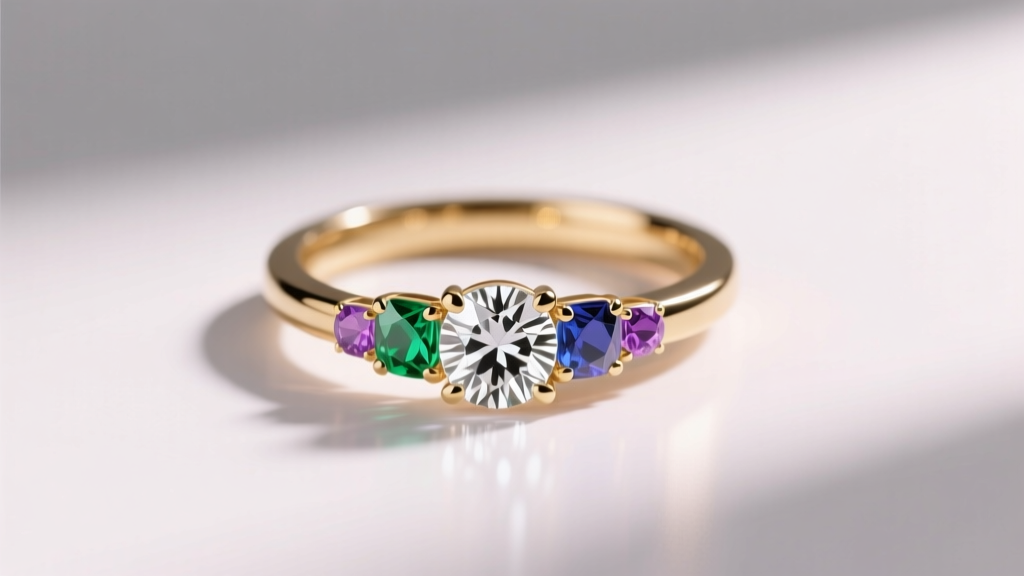 How to Choose an Engagement Ring With Colored Accent Stones
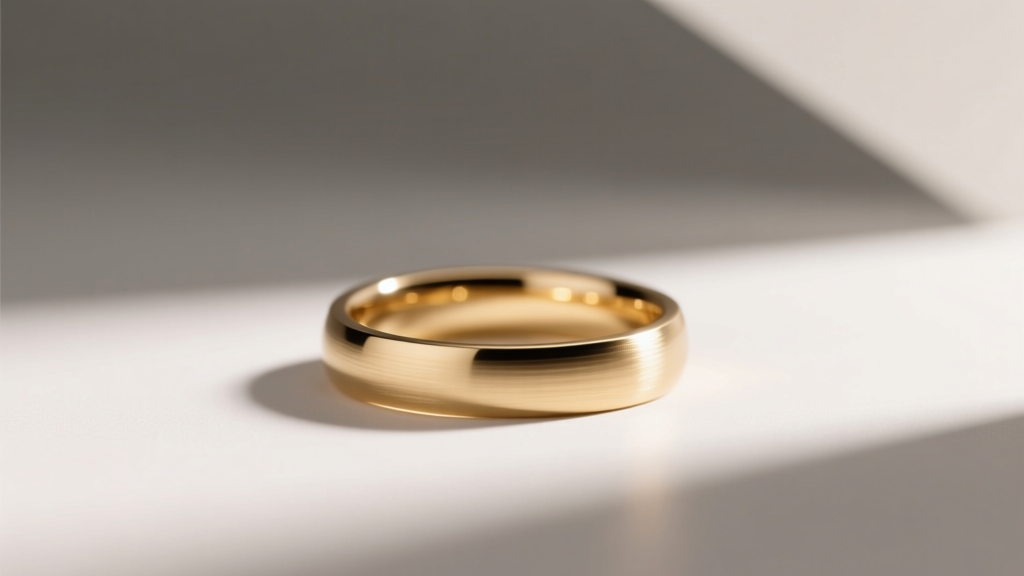 How to Choose a Wedding Band With a Brushed Gold Finish
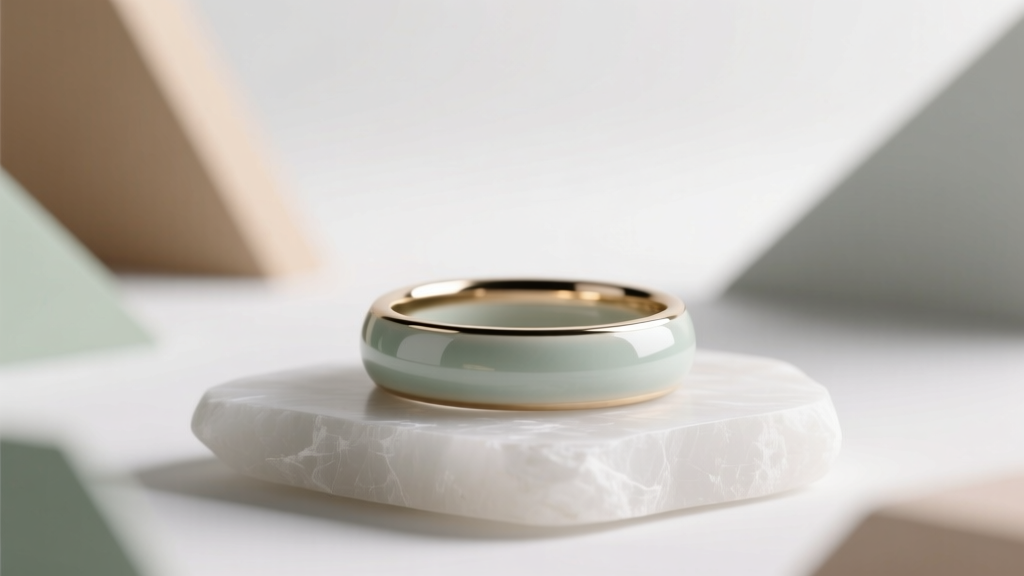 How to Choose a Wedding Band With a Ceramic Material
 Make Your Own Wedding Ring: Save $2,800+ (2026)
 Paraiba Tourmaline Electric Blue Neon
 Wedding Band Stacking Trends for 2026
 Coral Engagement Rings Ocean-Inspired Organic Gem
 What Is a Size 7 Ring in Millimeters? (2026)
 Spinel Engagement Rings Underrated Gemstone Beauty
 Smart Care and Maintenance: A Precision Guide for Long-Term Jewelry Integrity