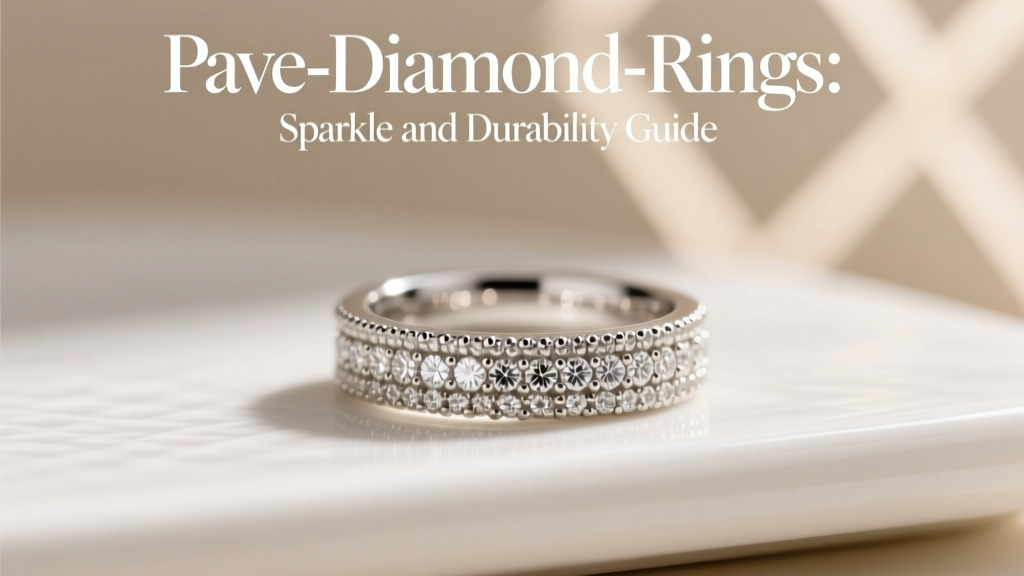
Pave Diamond Rings Sparkle and Durability Guide
Pavé diamond rings have a way of catching light from every angle—tiny diamonds set close together create a “continuous sparkle” effect that looks luxurious without needing an oversized center stone. For couples shopping for engagement rings and wedding bands, pavé is often the style that stops you mid-scroll: it looks brilliant in photos, dazzling in person, and it pairs beautifully with everything from classic solitaires to modern oval and emerald-cut centers.
That said, pavé comes with real craftsmanship considerations. Those small stones rely on precision setting, strong metalwork, and smart lifestyle choices to stay secure over years of daily wear. If you love the shimmering look but want confidence in durability and value, this guide breaks down pavé settings, quality factors, metals, pricing, and the most common shopping mistakes—so you can choose a ring that’s both stunning and sensible.
What Is a Pavé Diamond Ring?
“Pavé” (pa-VAY) comes from the French word for “paved,” referring to a surface paved with small diamonds. In a pavé engagement ring or pavé wedding band, rows of small diamonds (called melee diamonds) are set closely together, with tiny beads or prongs of metal holding them in place. The goal is maximum sparkle with minimal visible metal.
Pavé vs. Micro-Pavé vs. French Pavé
- Traditional pavé: Uses small diamonds (often 1.0–1.7 mm) secured with bead-set prongs. Durable when well-made and easier to service than ultra-fine styles.
- Micro-pavé: Even smaller diamonds (commonly under 1.3 mm) set with very delicate beads. Extremely glittery, but can be more susceptible to stone loss if the setting is thin or worn hard.
- French pavé: Features V-shaped cuts into the metal under the diamonds, allowing more light and a lace-like look. Gorgeous and bright, but it needs a skilled setter to maintain strength.
Why Couples Love Pavé: Sparkle, Style, and Versatility
Pavé rings are popular for good reason. They complement today’s top engagement ring trends—think oval-cut diamonds, elongated cushions, and pear shapes—while still feeling like a timeless classic. Pavé also works beautifully with lab-grown diamonds, helping couples allocate budget toward a larger center stone or higher diamond quality.
Most Popular Pavé Ring Styles Right Now
- Oval center with a pavé band: One of the most-requested looks for 2025, especially in yellow gold with a hidden halo.
- Thin pavé bands (1.6–1.8 mm): Delicate, modern, and photo-friendly—best chosen with careful attention to durability.
- Cathedral pavé settings: Extra support from raised shoulders; great for active lifestyles that still want sparkle.
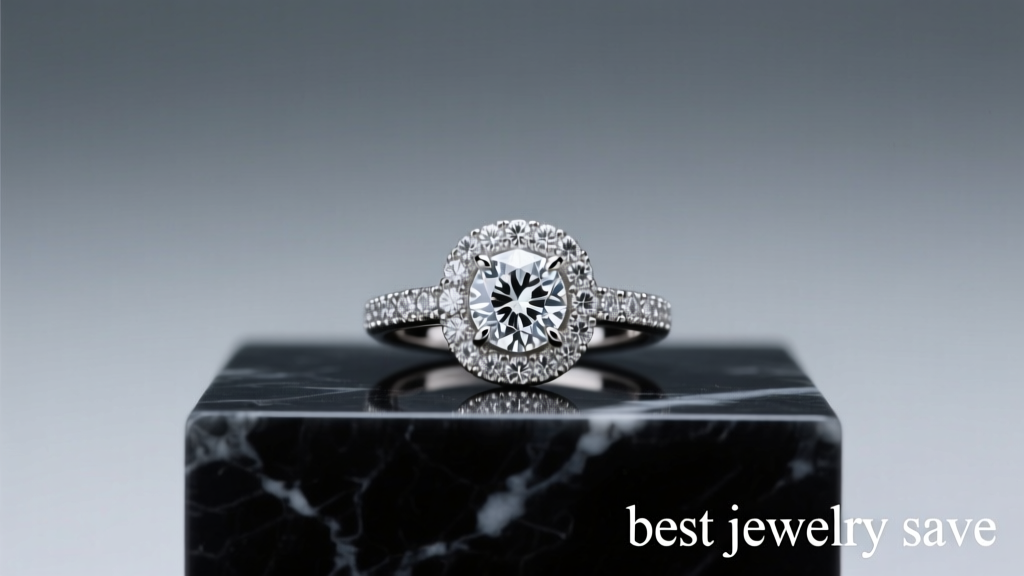
- Pavé halo engagement rings: Maximum brilliance; can make the center diamond appear larger.
- Pavé wedding bands and eternity bands: Classic pairing with solitaires; eternity styles deliver “all-around” sparkle.
Understanding Durability: How Pavé Holds Up Over Time
Pavé rings can be very durable, but they are not “set and forget” jewelry. The small diamonds are held by tiny prongs or beads, and daily wear can gradually wear those beads down—especially if the ring rubs against hard surfaces or other rings.
Key Durability Factors
- Prong/bead quality: Clean, consistent bead work with enough metal around each stone is a must. If beads look flattened or minimal from the start, stones may loosen sooner.
- Band width and thickness: Ultra-thin pavé bands can look elegant but may be more prone to bending. Many jewelers recommend at least 1.8 mm width for daily wear, with adequate depth.
- Number of rows: Single-row pavé tends to be easier to maintain than triple-row styles, which can snag or experience more wear.
- Ring stacking habits: Wearing a pavé engagement ring flush against a pavé wedding band can cause “diamond-on-diamond” abrasion over time. A spacer band can help.
Diamond Details: Melee Quality, Cuts, and Matching
Those tiny pavé diamonds may be small, but they matter. Their quality and consistency affect sparkle, color harmony, and how “icy” or warm the ring looks next to the center stone.
Recommended Melee Diamond Specs
- Cut: Prioritize “Excellent” or “Very Good” make when available. Even in melee, better cutting improves brightness and reduces a dull, cloudy look.
- Color: For white metals (platinum/white gold), many couples like G–H melee as a sweet spot. If your center diamond is D–F, consider F–G melee for a cleaner match.
- Clarity: Melee is often VS–SI. Look for well-matched parcels with no visible dark crystals.
- Consistency: Matching size and color across the band prevents a “patchy sparkle” effect.
Natural vs. Lab-Grown Diamonds for Pavé
Both are real diamonds. Lab-grown pavé can offer excellent value and makes it easier to choose higher color/clarity across many small stones. Natural diamond pavé may appeal to couples who prefer a fully natural ring. Either way, insist on reputable sourcing and good matching.
Metal Choices for Pavé Rings: Platinum vs. Gold
The metal isn’t just a color choice—it affects prong strength, long-term wear, and maintenance frequency.
Platinum
- Pros: Dense and durable; prongs tend to hold up well. Develops a patina rather than wearing away quickly.
- Cons: Higher cost; patina is a “soft shine” rather than a high polish (though it can be re-polished).
- Best for: Daily wear, active hands, and micro-pavé where prong strength matters.
14K Gold (White, Yellow, Rose)
- Pros: Stronger than 18K due to higher alloy content; excellent for pavé bands; typically more budget-friendly than platinum.
- Cons: White gold often needs rhodium re-plating over time to stay bright white.
- Best for: Couples who want durability with flexible pricing and color options.
18K Gold
- Pros: Rich color (especially yellow gold); higher gold content feels luxe.
- Cons: Softer than 14K, which can mean more maintenance for delicate pavé.
- Best for: Classic yellow gold lovers who don’t mind a bit more upkeep.
Setting Craftsmanship: What to Look for Up Close
Pavé is one area where craftsmanship separates “pretty online” from “wearable for years.” If possible, view the ring under magnification or ask for detailed macro photos.
Signs of High-Quality Pavé Work
- Even, symmetrical bead prongs with no sharp or snaggy edges
- Stones aligned in clean rows with consistent spacing
- A smooth inner edge (comfort fit helps for daily wear)
- Secure finishing around corners and high-wear areas
- No visible gaps where stones could catch fabric
Buying Tips for Pavé Engagement Rings and Wedding Bands
1) Choose the Right Band Proportions
If your heart is set on a thin pavé band, don’t just focus on width—ask about band thickness (depth) and structural support. A well-engineered 1.8 mm pavé band can outperform a flimsy 2.0 mm band.
2) Consider a Cathedral or Reinforced Head
For engagement rings, a cathedral setting can add strength where the center diamond is held. This is especially helpful if the shank (band) is pavé-set and delicate.
3) Decide on Half-Eternity vs. Full Eternity
- Half-eternity pavé band: Diamonds across the top half. More comfortable, easier to resize, often more durable.
- Full eternity band: Diamonds all the way around. Maximum sparkle, but typically not resizable and can wear faster on the palm side.
4) Ask About Aftercare and Warranty
Pavé rings benefit from routine inspections. Look for a jeweler policy that includes prong checks, cleaning, and reasonable stone replacement terms.
Care and Maintenance: Keep the Sparkle, Prevent Stone Loss
- Clean gently at home: Warm water, mild dish soap, and a soft toothbrush. Rinse well and dry with a lint-free cloth.
- Avoid harsh chemicals: Chlorine and cleaning agents can damage metals and dull brilliance.
- Remove your ring for impact activities: Gym weights, gardening, moving furniture, and sports increase the risk of bending prongs or knocking out melee.
- Store separately: Pavé can scratch other jewelry and can also be scratched by harder pieces. Use a fabric-lined box or pouch.
- Get prongs checked: Every 6–12 months, or sooner if you feel snagging or hear a faint “click” when tapping the ring gently near your ear.
Price Range and Value Tips
Pavé pricing depends on center stone size (for engagement rings), total carat weight of melee, metal choice, and the precision of the setting work.
Typical Price Ranges (General Guide)
- Pavé wedding band (14K gold, half-eternity): often $600–$2,000 depending on carat weight and diamond quality
- Pavé eternity band: commonly $1,200–$4,000+ due to more diamonds and labor
- Pavé engagement ring setting (no center diamond): frequently $1,200–$4,500+, with platinum and micro-pavé at the higher end
How to Maximize Value
- Spend on craftsmanship: A well-made pavé setting is worth more than upgrading melee from H to F color if your budget is tight.
- Consider lab-grown melee: Great sparkle-per-dollar, especially for halos and triple-row pavé.
- Choose half-eternity for practicality: Easier resizing and often better longevity for everyday wear.
- Match metal to lifestyle: Platinum can cost more upfront but may reduce long-term prong issues for some wearers.
Common Mistakes to Avoid When Shopping Pavé
- Choosing ultra-thin bands without reinforcement: Very thin pavé looks delicate but can bend, loosening stones.
- Ignoring how rings sit together: A high-set engagement ring can grind against a pavé wedding band. Check for flush fit or add a spacer.
- Assuming all pavé is the same: The difference between average and excellent pavé work is huge—ask about setting method and finishing.
- Overlooking resizing limitations: Full eternity bands are usually not resizable. Plan ahead if your finger size fluctuates.
- Skipping routine inspections: Most pavé stone loss starts with a tiny snag or loose bead that could’ve been tightened early.
FAQ: Pavé Diamond Rings
Are pavé diamond rings durable for everyday wear?
Yes, when made well and worn with reasonable care. Choose a sturdy band, quality metalwork, and plan for periodic prong checks. If your lifestyle is very hands-on, consider a half-eternity pavé band or a slightly wider shank.
Do pavé diamonds fall out easily?
They shouldn’t fall out “easily,” but pavé is more vulnerable than a plain metal band because the stones are held by tiny beads/prongs. Impacts, bending, or worn prongs can lead to loss. Good craftsmanship and regular inspections greatly reduce the risk.
What’s better for pavé: platinum or 14K gold?
Platinum is excellent for prong security and long-term wear, while 14K gold is strong, cost-effective, and available in white/yellow/rose tones. For very delicate micro-pavé, platinum can be a smart choice; for most pavé bands, 14K is a durable favorite.
Can a pavé ring be resized?
Often yes for pavé engagement rings and half-eternity bands, though resizing may be limited if diamonds go far down the sides. Full eternity bands usually cannot be resized without remaking the ring.
How do I keep a pavé ring sparkling?
Clean it regularly with mild soap and warm water, avoid lotions building up under stones, and have a jeweler do professional cleanings and inspections. Dirt and oils can dull pavé quickly because there are many small crevices.
Does pavé make a center diamond look bigger?
It can. A pavé band draws the eye with added brilliance, and a pavé halo can visually expand the overall face-up size. If “looks bigger” is a priority, consider a halo or a thin pavé band paired with an elongated center shape like oval or pear.
Confident Next Steps: Choosing the Right Pavé Ring
If you want maximum sparkle with a refined, romantic feel, a pavé diamond ring is hard to beat—especially in classic pairings like an oval or round brilliant center with a single-row pavé band, or a half-eternity pavé wedding band that’s easy to wear every day. Focus on craftsmanship, choose a metal that fits your lifestyle, and treat regular inspections as part of ownership. Done right, pavé offers that head-turning brilliance while staying secure and wearable for the long haul.
For more help comparing engagement ring settings, diamond shapes, metal types, and wedding band styles, explore more jewelry guides on weddingsift.com.
More Articles
 How to Protect and Store Wedding Jewelry
 How Wide Should a Woman's Wedding Band Be? (2026)
 Who Buys the Groom's Wedding Ring? (2026)
 Smart Care and Maintenance: A Precision Guide for Long-Term Jewelry Integrity
 How Much Is My Old Wedding Ring Worth? (2026)
 How to Stretch a Silicone Wedding Ring Safely
 How to Choose a Wedding Band With a Polished Finish
 Line Hoop for Wedding Dress: Ultimate Guide (2026)
 Turquoise Engagement Rings Southwestern Charm
 How to Resize a Wedding Ring Without Damaging It