How to Choose a Wedding Band With a Flat Profile
A flat-profile wedding band is one of those ring styles that looks simple at first glance—then you try a few on and realize how much the details matter. The shape of the outer surface, the edge finish, the thickness, and even the way the band sits against your engagement ring all affect comfort, durability, and day-to-day wear.
Flat wedding bands are popular with modern couples because they feel clean and architectural, photograph beautifully, and pair well with everything from minimalist solitaires to bold, halo engagement rings. They can also be wonderfully timeless: a straight, flat band in yellow gold or platinum has the same straightforward elegance as classic jewelry from decades ago.
This guide breaks down what “flat profile” really means, which metals and finishes make sense for your lifestyle, how to choose the right width and thickness, and how to avoid common shopping mistakes—so you end up with a wedding ring you’ll love wearing long after the ceremony.
What Does “Flat Profile” Mean in a Wedding Band?
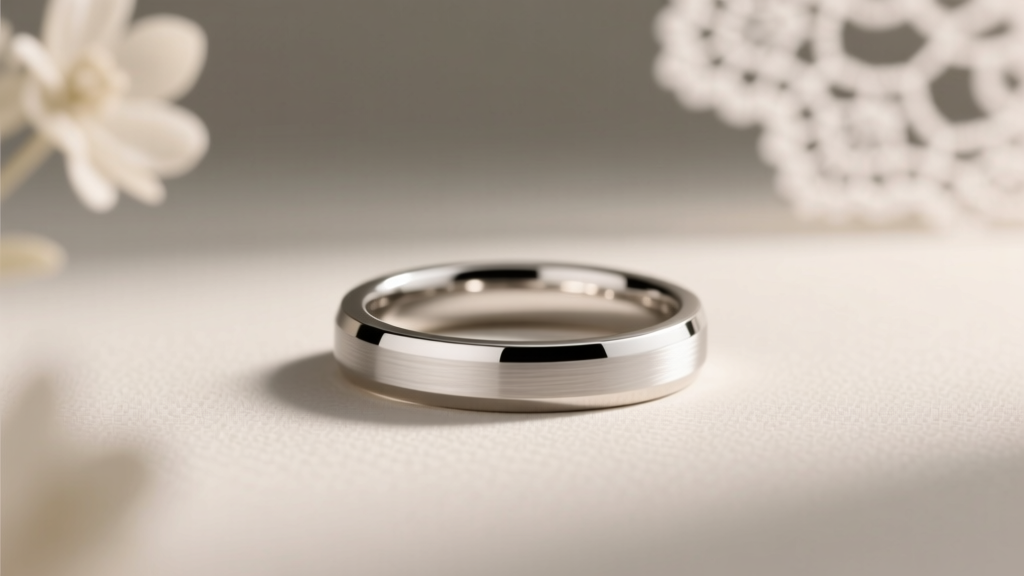
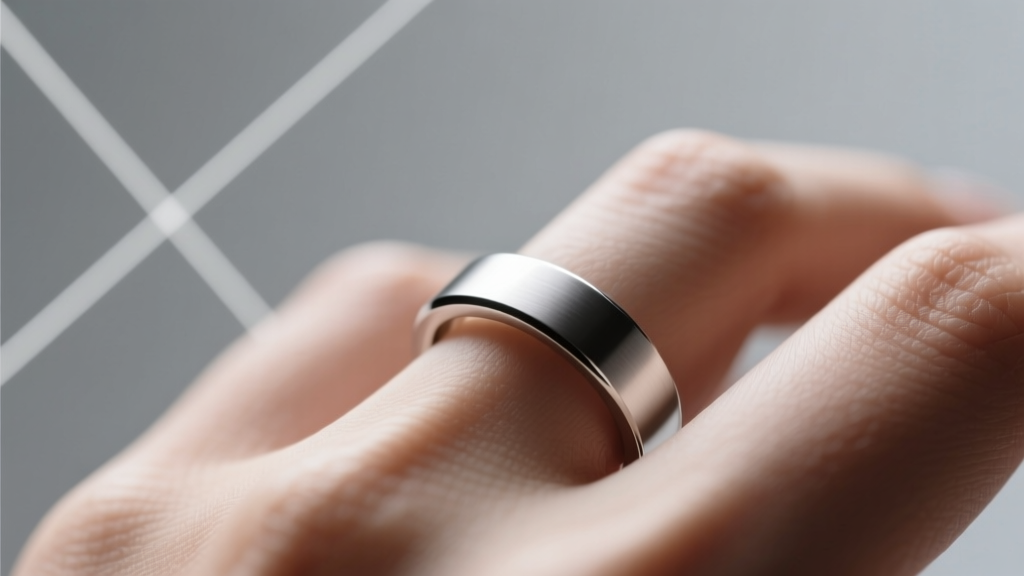
A flat-profile wedding band has a relatively straight, planar outer surface (the part you see from the top), rather than a rounded “dome” (often called a comfort fit dome or court profile). The inside of the ring can still be comfort-fit (slightly rounded interior) even if the outer profile is flat.
Common flat band variations
- True flat: Flat exterior with crisp edges, very contemporary and geometric.
- Flat with beveled edges: Flat top with angled edges; adds visual refinement and reduces snagging.
- Flat with softened edges: Flat top but edges are gently rounded for comfort.
- Knife-edge (near-flat look): Angled peak down the center; reads modern but feels different than a flat plane.
If you love a modern, clean line but worry about comfort, a flat exterior paired with a comfort-fit interior is often the sweet spot.
Why Couples Choose Flat Wedding Bands
Modern style that still photographs timelessly
Flat bands catch light in a broad, even way—great for wedding photos and everyday wear. They also feel naturally “unisex,” which is one reason flat-profile wedding bands are trending in matching sets and gender-neutral wedding jewelry.
Great pairing potential with engagement rings
Flat bands sit neatly alongside many engagement ring styles. With the right width and height, they create a clean stack that doesn’t look overly busy, even next to pavé diamonds or ornate settings.
Surface area for finishes and personalization
Because the top is flat, you have a larger canvas for brushed, satin, hammered, or engraved finishes. Flat bands are also popular for meaningful engravings (dates, coordinates, fingerprints) because the lines read clearly.
Choosing the Right Metal for a Flat-Profile Wedding Band
Metal choice affects appearance, durability, maintenance, and price. With a flat profile, scratches and wear patterns can show differently than on domed rings, so it pays to match the metal to your lifestyle and preferred finish.
Platinum (950)
Best for: durability, naturally white color, long-term wear.
Platinum is dense and naturally white, making it a favorite for couples who want a premium, heirloom feel. It develops a soft patina over time rather than losing metal quickly, though it can show fine scuffs—especially on a high-polish flat surface. Many couples love the lived-in look, and it can be re-polished or re-finished.
Yellow gold (14K or 18K)
Best for: classic warmth, timeless style, easy resizing/repair.
Yellow gold remains a classic wedding ring choice and is currently enjoying a strong resurgence in modern, minimal designs. 14K is harder and more scratch-resistant than 18K, while 18K has a richer color but can show wear faster.
White gold (14K or 18K)
Best for: bright, silvery look at a lower cost than platinum.
Most white gold is rhodium plated for a bright finish. Over time, the plating may wear (especially on a flat, polished surface), and periodic re-plating may be needed. If low maintenance is your priority, platinum may feel simpler long-term.
Rose gold (14K or 18K)
Best for: romantic tone, modern-vintage crossover style.
Rose gold is flattering on many skin tones and looks striking in flat, architectural bands. It’s also a trend that has proven staying power. Like yellow gold, 14K is typically the more durable everyday option.
Titanium, tungsten, and alternative metals
Best for: budget-friendly, ultra-durable look (with trade-offs).
- Tungsten: very scratch-resistant, but can be brittle and is generally not resizable.
- Titanium: lightweight and strong, but resizing can be difficult.
If you anticipate resizing (common with temperature changes, pregnancy, or weight fluctuation), traditional precious metals usually offer better long-term value.
Widths, Thickness, and Comfort: The Fit Factors That Matter Most
Pick a width that suits your hand and your engagement ring
- 2mm–3mm: delicate, subtle, great for petite hands and minimalist engagement rings.
- 4mm–5mm: the “everyday classic” range—balanced, comfortable, and popular for couples.
- 6mm–8mm: bold and contemporary; a statement look that suits larger hands or a strong design preference.
If you’re wearing a wedding band with an engagement ring, consider how the proportions look together. A slim pavé engagement ring often pairs beautifully with a 2mm–3mm flat band, while thicker solitaire settings can handle 4mm+ without feeling crowded.
Don’t overlook thickness (height)
Flat bands can look sleek but still need enough metal for longevity. Many jewelers recommend a minimum thickness around 1.6mm–2.0mm for everyday durability (more if you choose a very wide band). Ultra-thin bands can warp over time, especially in softer metals.
Interior profile: standard fit vs comfort fit
A comfort-fit interior has a slightly rounded inside edge that reduces pressure and makes wider flat bands feel significantly easier to wear. If you’re choosing a 6mm+ flat band, comfort fit is often worth it.
Flat Profile Styles: Plain, Textured, or Gemstone-Set?
Classic plain flat band (high polish or satin)
A plain flat wedding band is the definition of timeless. High polish looks crisp and reflective, while satin/brushed finishes feel modern and hide small scratches better—one reason brushed flat bands are a top current trend for both men’s wedding bands and minimalist women’s styles.
Beveled edges and mixed finishes
Beveled edges add dimension and can protect the corners from looking too sharp after wear. Mixed finishes—like a brushed center with polished beveled edges—offer a contemporary look that still feels refined.
Hammered, matte, and engraved designs
Hammered flat bands are popular right now because they blend handcrafted character with a clean silhouette. Engraved patterns (milgrain edges, geometric lines) can lean vintage or modern depending on the motif.
Diamond and gemstone accents
Yes, flat bands can absolutely feature gemstones. The key is choosing a setting that suits a ring you’ll wear every day:
- Channel-set diamonds: diamonds sit between two strips of metal; sleek, secure, and snag-resistant.
- Flush-set (gypsy-set) diamonds: stones are set into the metal surface; ideal for flat profiles and active lifestyles.
- Pavé or micro-pavé: lots of sparkle, but more maintenance and prong checking over time.
For diamonds, many couples choose round brilliant melee for maximum sparkle, while princess-cut or baguette accents can look especially sharp and modern in a flat band. If you’re considering colored gemstones (sapphires are the most practical), choose protective settings like channel or flush-set for durability.
Quality Checklist: Craftsmanship Details to Look For
- Even symmetry: the flat top should be truly level with consistent edges.
- Clean finishing: no ripples, pits, or uneven polish—flat surfaces show imperfections quickly.
- Solid construction: choose solid metal bands over plated or hollow styles for longevity.
- Secure stone setting: for diamonds, check that stones are evenly aligned and tight, with no rattling.
- Hallmarks and metal stamps: look for 14K, 18K, PT950, etc., and buy from reputable jewelers.
Practical Buying Tips for Flat Wedding Bands
Try rings on at the end of the day
Fingers swell slightly with heat and activity. A flat band—especially a wider one—can feel tighter than a narrow band in the same size. If you’re between sizes, ask your jeweler about sizing up slightly for comfort fit.
Consider your daily routine
If you work with your hands, exercise often, or wear gloves frequently, a flat band with softened or beveled edges and a brushed finish may feel and look better long-term than a crisp, high-polish true flat with sharp corners.
Match the engagement ring’s metal and height
For a cohesive bridal set, match the metal color (yellow, white, rose) and consider the height of the engagement ring setting. If your engagement ring sits low, a flat band may press against prongs or a basket. In that case, a contoured band, a slightly thinner flat band, or a spacer band can help.
Ask about resizing and long-term service
Confirm whether the band can be resized (especially for eternity bands or alternative metals). Also ask what maintenance is included: polishing, rhodium re-plating for white gold, prong checks, and refinishing brushed textures.
Care and Maintenance: Keeping a Flat Band Looking Sharp
- Clean weekly: warm water, mild dish soap, and a soft toothbrush. Rinse and pat dry with a lint-free cloth.
- Avoid harsh chemicals: chlorine and strong cleaners can damage metals and dull finishes.
- Remove for heavy impact: gym weights, home renovation, or gardening can dent edges and scratch flat surfaces.
- Store separately: keep your wedding band away from other jewelry to reduce scratches.
For brushed or satin finishes, expect the texture to soften over time. A jeweler can refresh the finish during routine maintenance, which is a big reason brushed flat wedding bands stay looking “new” with minimal effort.
Price Range and Value Tips
Pricing depends on metal type, ring width/thickness, craftsmanship, and whether diamonds or gemstones are included. As a general guide:
- 14K gold flat bands: often a strong value for durability and classic style.
- 18K gold: typically higher cost for richer color, slightly softer wear.
- Platinum: usually premium priced due to metal cost and density.
- Diamond-set flat bands: cost increases with total carat weight, diamond quality (cut, color, clarity), and setting complexity.
Where to spend for long-term value
- Prioritize thickness and comfort: a well-made band lasts longer and feels better daily.
- Choose practical settings: channel or flush-set stones reduce snagging and maintenance.
- Pick a finish that suits your lifestyle: brushed finishes can look great longer with less visible wear.
Common Mistakes to Avoid
- Choosing a band that’s too thin: ultra-thin flat bands can warp or wear faster, especially in softer metals.
- Ignoring edge comfort: sharp corners may feel uncomfortable and show dings more readily.
- Assuming all “white” metals look the same: white gold can need re-plating; platinum develops patina.
- Not checking engagement ring compatibility: gaps, rubbing, or pressure against prongs can cause damage over time.
- Buying alternative metals without understanding resizing limits: tungsten and titanium are often difficult or impossible to resize.
- Overlooking maintenance for pavé: pavé diamonds can be stunning, but they require periodic checks.
FAQ: Flat Profile Wedding Bands
Are flat wedding bands comfortable for everyday wear?
They can be, especially with a comfort-fit interior and softened or beveled edges. Very wide flat bands may feel snug, so sizing and interior shape matter.
Do flat bands scratch more than domed bands?
They don’t necessarily scratch more, but scratches can be more visible on a flat, high-polish surface because it reflects light evenly. Brushed, satin, or hammered finishes help disguise everyday wear.
What’s the best finish for an active lifestyle?
A brushed/satin finish on platinum or 14K gold is a practical choice. If you want diamonds, consider flush-set or channel-set accents for security.
Can I stack a flat wedding band with my engagement ring?
Yes. For the cleanest stack, match metals and consider band width. If your engagement ring sits low or has a large basket/prongs, you may need a slightly thinner band, a contoured band, or a spacer to prevent rubbing.
Is platinum or white gold better for a flat band?
Platinum is naturally white and low-fuss in color maintenance, while white gold is typically more affordable up front but may need rhodium re-plating. Both are excellent; the best choice depends on budget and how you feel about long-term upkeep.
Which diamond setting looks best on a flat-profile band?
For a sleek, modern look, channel-set round brilliants or baguettes complement the geometry of a flat band. For maximum practicality, flush-set diamonds are hard to beat.
Next Steps: Finding Your Ideal Flat Wedding Band
If you’re drawn to clean lines, modern styling, and a ring that pairs easily with today’s engagement ring trends—solitaires, hidden halos, east-west settings, and minimalist stacks—a flat-profile wedding band is a confident choice. Start by narrowing down your metal (14K gold for value and durability, platinum for premium longevity), then dial in width, thickness, and edge style for comfort. If you want sparkle, choose secure settings like channel or flush-set diamonds that suit everyday life.
Explore more wedding ring and engagement ring guides on weddingsift.com to compare band profiles, metals, diamond options, and timeless styles before you buy.
More Articles
 How to Clean a Tungsten Wedding Ring Safely
 DIY Wedding Flower Arrangements: Save $2,000 (2026)
 Wedding Ring Stacking Rules (2026)
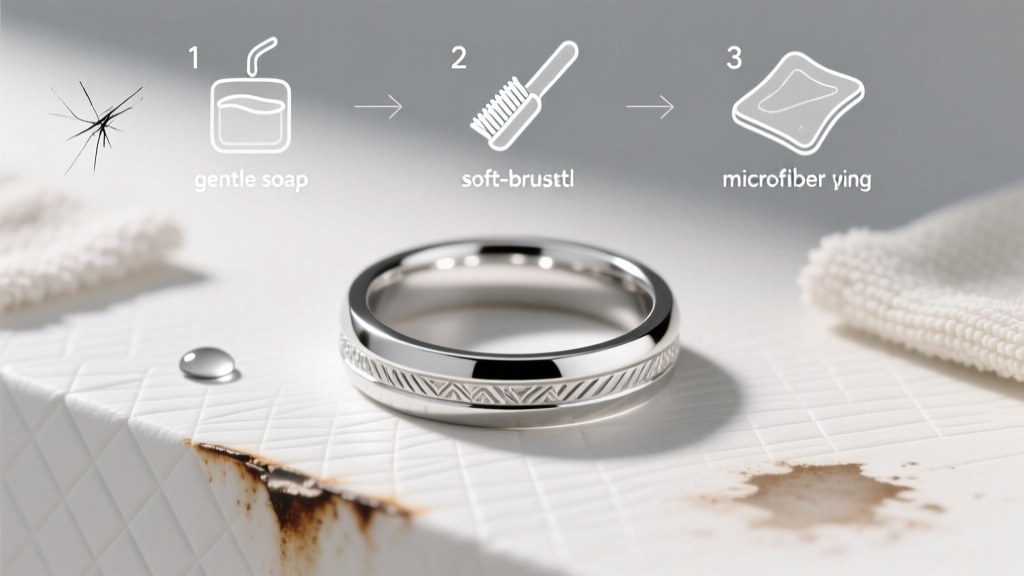 Platinum Wedding Band Cleaning: Safe 3-Step Method (2026)
 Me Wedding Rings: Personalized, Gender-Neutral & Ethical
 Green Diamond Extremely Rare Natural Color
 What Is a 10K Gold Wedding Band Worth? (2026)
 Does The Wedding Band Go Inside Or Outside (2026)
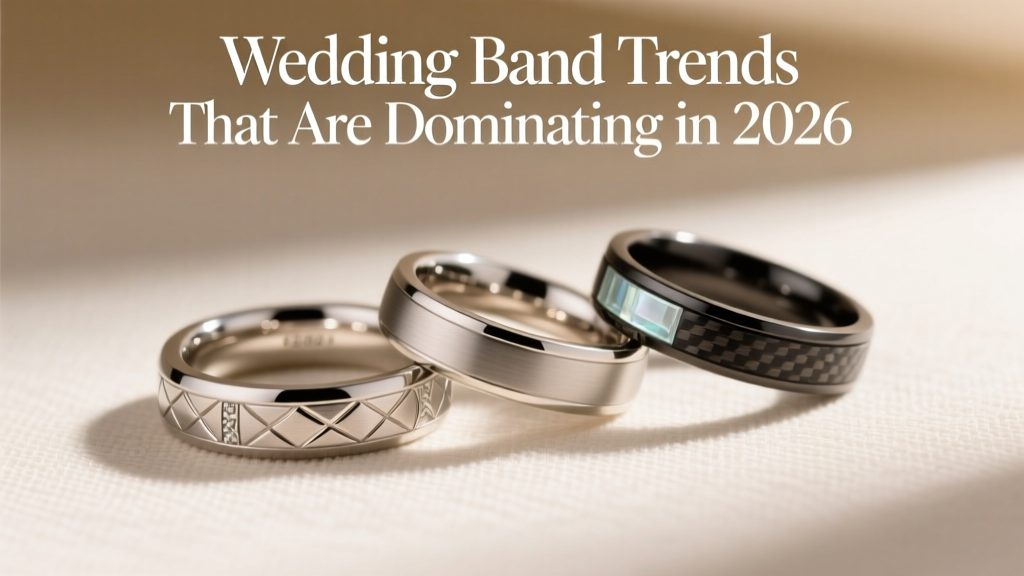 Wedding Band Trends That Are Dominating in 2026
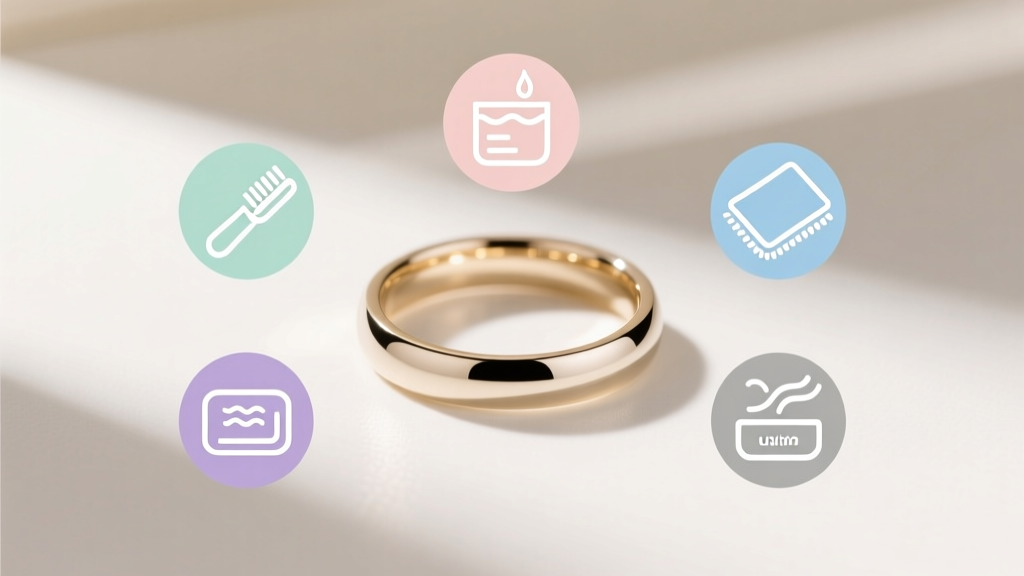 White Gold Wedding Ring Cleaning: 5 Safe Home Methods