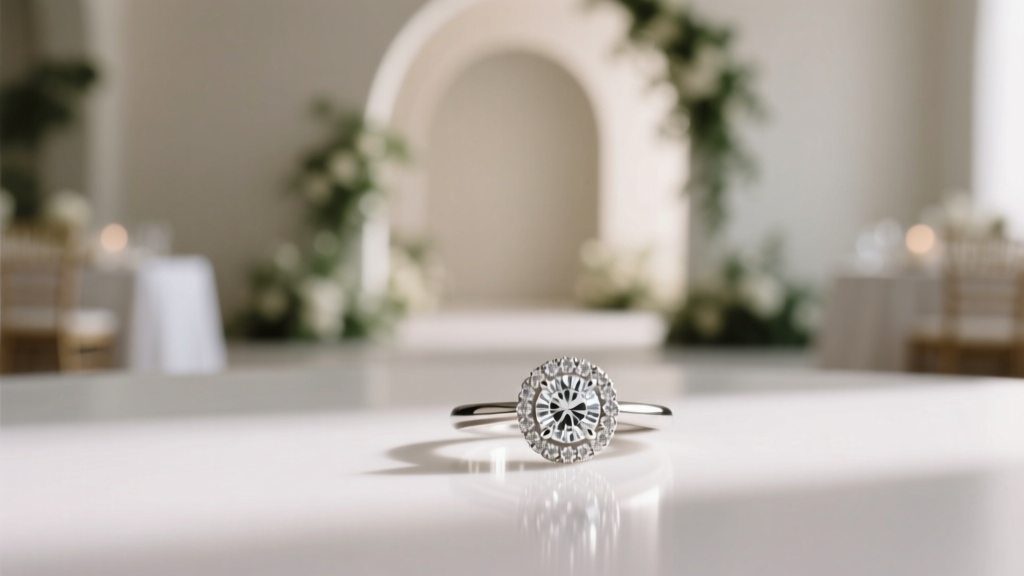
How to Choose an Engagement Ring With a Halo Setting
A halo engagement ring has a special kind of presence. From across the room, it reads bright and romantic; up close, it’s all about sparkle, detail, and craftsmanship. The “halo” is a circle (or cushion, oval, pear-shaped outline) of small diamonds or gemstones that frames the center stone—often making it look larger and more brilliant than its carat weight suggests.
Choosing a halo setting isn’t just about picking a pretty style. The halo affects how the center diamond faces up, how the ring sits against a wedding band, how secure the stones are for everyday wear, and how much maintenance you’ll want to commit to over the years. For couples shopping for an engagement ring and wedding band set, understanding these details helps you get maximum beauty and long-term value.
This guide breaks down halo styles, metal options, diamond and gemstone choices, quality factors, and smart buying tips—so you can confidently select a halo engagement ring that fits your lifestyle and budget while still feeling timeless.
What Is a Halo Setting, and Why Couples Love It
A halo setting surrounds the center stone with a border of smaller accent stones (most commonly pavé diamonds). That ring of sparkle increases perceived size and enhances light return, especially when the halo stones are well-matched and set precisely.
Benefits of a Halo Engagement Ring
- Big look, smart budget: A halo can make a center stone appear larger, letting you prioritize cut quality or choose a slightly smaller carat weight.
- Extra brilliance: Multiple facets and angles from the halo add “scintillation” (sparkle flashes) around the center.
- Style flexibility: Halos work with nearly every center shape—round, oval, cushion, pear, emerald, and more.
- Customization: You can adjust halo shape, metal color, band width, and accent stone type for a personal look.
Potential Tradeoffs
- More maintenance: More stones mean more prongs and a higher chance of snagging if craftsmanship is poor.
- Cleaning matters: Small diamonds can look dull if lotion and soap build up under the halo.
- Wedding band fit: Some halos sit low and flush; others require a contoured wedding band.
Pick the Right Halo Style for Your Center Stone
Single Halo vs. Double Halo
Single halo is the classic choice: one ring of accent stones around the center. It’s timeless, balanced, and generally easier to pair with wedding bands. Double halo adds a second row of small diamonds for maximum sparkle and a larger visual footprint—popular in glamorous, red-carpet-inspired looks. Double halos can feel more “statement,” and they tend to cost more due to additional melee diamonds and labor.
Classic Halo, Hidden Halo, and Floral Halos
- Classic halo: The halo is visible from the top view. This is the enduring favorite for halo engagement rings.
- Hidden halo: Diamonds wrap around the gallery (the side of the setting) beneath the center stone. It’s a current trend that gives subtle sparkle from the side while keeping the top view clean.
- Floral or scalloped halo: Petal-like shapes or scalloped outlines create a vintage feel and can make round or cushion centers look softer and more romantic.
Halo Shape: Match or Contrast
Most halos match the center shape (oval center with oval halo). That’s the safest route for symmetry and a seamless look. A contrasting halo can be striking—like a round center in a cushion halo for a “pillowy” vintage vibe. If you choose contrast, check that the halo doesn’t create awkward gaps or corners that snag.
Center Stone Choices: Diamonds and Popular Gemstones
Best Diamond Shapes for Halo Settings
- Round brilliant: Maximum sparkle; pairs beautifully with pavé halos and almost any band style.
- Oval: Extremely popular in current engagement ring trends; a halo enhances its finger-lengthening look. Consider a setting that minimizes the “bow-tie” shadow.
- Cushion: A halo is practically made for cushion cuts—classic, soft, and romantic.
- Pear: Gorgeous with a halo; look for a protective prong at the tip to prevent chipping.
- Emerald cut: A halo can add sparkle to this step-cut classic, but choose a refined halo (often a “French cut” style or a delicate micro-pavé) so it doesn’t overpower the clean lines.
Colored Gemstones as Center Stones
Halo settings are also ideal for colored gemstone engagement rings. A diamond halo around a sapphire (blue is timeless, but peach and teal are trending), ruby, or emerald creates high contrast and a luxe look. For everyday wear:
- Sapphire (Mohs 9): Excellent durability, wide color range, strong value.
- Ruby (Mohs 9): Very durable and iconic, often higher priced in fine quality.
- Emerald (Mohs 7.5–8): Beautiful but more prone to inclusions and chipping; choose protective settings and accept that emeralds require gentler care.
Metal Matters: Platinum vs. Gold for a Halo Engagement Ring
Platinum
Platinum is naturally white, dense, and durable—ideal for securing small halo stones and prongs. It develops a soft patina over time rather than wearing away. Platinum typically costs more upfront, but it’s a strong choice for daily wear and for intricate micro-pavé craftsmanship.
White Gold
14K or 18K white gold is popular for halo settings because it offers a bright look at a lower price than platinum. Most white gold is rhodium plated for extra whiteness. Expect periodic re-plating (often every 12–36 months depending on wear and skin chemistry) to keep it looking crisp.
Yellow Gold and Rose Gold
Warm metals are trending again and photograph beautifully. Yellow gold gives a classic, heirloom feel. Rose gold looks romantic and flattering on many skin tones. With halos, consider prong color: some couples choose white prongs with a yellow or rose band to keep the center diamond looking bright.
Quality Factors That Make or Break a Halo Ring
Prioritize Center Stone Cut (Especially for Diamonds)
For diamond engagement rings, cut quality drives sparkle more than any other factor. A halo adds brilliance, but it can’t “fix” a dull center stone. For round diamonds, look for Excellent cut grades (or equivalent). For fancy shapes like oval and pear, rely on video and expert guidance because grading is less standardized.
Halo Melee Diamonds: Small Stones, Big Impact
Ask about the quality range for halo diamonds. Strong benchmarks for a bright, cohesive look:
- Color: G–H (white gold/platinum) or H–I (yellow/rose gold) often looks beautiful and balanced.
- Clarity: VS–SI is usually more than sufficient at small sizes.
- Matching: The halo should look consistent—no noticeably darker or “salty” stones.
Craftsmanship: Prongs, Pavé, and Symmetry
Halo rings demand precision. Look for:
- Even spacing and a clean outline around the center stone
- Secure bead setting or micro-prongs that don’t look sharp
- Comfortable finishing under the finger (no rough edges)
- Centered alignment so the halo doesn’t tilt or look lopsided
Practical Buying Tips for Halo Engagement Rings
Decide How Much “Bigger” You Want It to Look
Halos can visually increase the diameter of a ring by a noticeable margin. If your priority is presence, you might choose a slightly smaller center stone with a well-made halo and invest the savings into a higher cut grade or a premium metal like platinum.
Think About Your Wedding Band From Day One
Ask how the halo setting sits with a wedding band. Some halos have a low basket that prevents a straight band from sitting flush. Options include:
- Flush-fit halo settings (built to accommodate a straight wedding band)
- Curved/contour wedding bands that hug the halo
- Spacer bands to prevent rubbing between pavé rows
Choose a Secure Setting for an Active Lifestyle
If you’re hard on jewelry or use your hands all day, consider:
- Bezel or half-bezel center with a halo for added protection
- Slightly thicker band (around 1.8–2.2mm) for durability
- Sturdier prongs rather than ultra-fine “whisper” prongs
Care and Maintenance: Keep a Halo Ring Sparkling
- Clean regularly: Soak in warm water with mild dish soap for 15–20 minutes, then gently brush with a soft toothbrush—especially under the halo and gallery.
- Avoid harsh chemicals: Chlorine, bleach, and some beauty products can damage metals and dull stones.
- Remove for impact activities: Gym workouts, gardening, and heavy lifting can loosen pavé stones over time.
- Schedule inspections: Have prongs and pavé checked every 6–12 months. Halo rings have many small stones; catching a loose bead early prevents losses.
- Store separately: Keep it in a fabric-lined box or pouch so it doesn’t scratch other jewelry—or get scratched by harder stones.
Price Range and Value Tips
Halo engagement ring pricing varies widely based on center stone type, carat weight, metal, and the complexity of the setting. As a general guide:
- Setting only (diamond halo in 14K/18K gold): often starts around the mid-hundreds and can run into a few thousand depending on pavé detail and brand.
- Setting only (platinum halo): typically higher due to metal cost and labor.
- Complete ring: the center diamond or gemstone will drive most of the budget, especially for larger carat weights or high color/clarity.
Where to Put Your Money for the Best Look
- Diamond cut quality: This is the “sparkle engine.”
- Sturdy craftsmanship: A well-made halo saves money long-term by reducing repairs and stone loss risk.
- Smart color balancing: Consider near-colorless diamonds (G–I range) for strong value, especially in yellow or rose gold.
- Lab-grown diamonds: A popular current trend for couples who want a larger, higher-quality look at a lower price point. Natural diamonds retain traditional rarity appeal; choose based on your values and budget.
Common Mistakes to Avoid
- Going too delicate for your lifestyle: Ultra-thin bands and tiny prongs look airy but can bend or loosen over time.
- Ignoring wedding band compatibility: Falling in love with a halo that can’t sit flush without planning for a contour band.
- Overlooking halo diamond quality: Mismatched melee can make the ring look uneven or dull.
- Choosing the wrong center shape for your taste: Trends are fun (oval and hidden halos are huge right now), but pick a silhouette you’ll love in 10–20 years.
- Not checking for snag points: Poorly finished pavé and sharp prongs can catch on sweaters, hair, and gloves.
FAQ: Halo Engagement Rings
Do halo engagement rings make a diamond look bigger?
Yes. A halo increases the overall visual diameter and adds sparkle around the center, which can make a smaller carat weight look more substantial on the finger.
Are halo settings secure for everyday wear?
They can be very secure when well-made, but they require regular inspection because pavé halos contain many small stones and prongs. Choose sturdy craftsmanship and schedule checkups.
What metal is best for a halo engagement ring?
Platinum is excellent for durability and prong security. White gold offers a similar look at a lower price but may need rhodium re-plating over time. Yellow and rose gold are timeless and trendy, and they pair beautifully with diamond halos.
Which center stone shape looks best with a halo?
Round, oval, cushion, and pear are especially popular with halos. The “best” choice depends on whether you want maximum sparkle (round), a lengthening effect (oval/pear), or a softer vintage look (cushion).
Can I pair a halo engagement ring with a straight wedding band?
Sometimes. If the halo and basket sit high enough, a straight band can sit flush. If not, a curved contour band or a spacer band may be needed for a comfortable fit and to protect pavé edges.
How do I keep a halo ring from looking dirty?
Clean it regularly at home with mild soap and a soft brush, focusing under the center stone and around the halo. Professional cleanings and prong checks every 6–12 months help maintain sparkle and security.
Next Steps: Choose a Halo That Fits Your Life and Your Love Story
The best halo engagement ring balances beauty with wearability: a center stone with great cut quality, a halo that complements the shape without snagging, and a metal choice that suits your lifestyle and maintenance preferences. If you want a look that’s both current and classic, a single halo with a refined pavé band—or a modern hidden halo with clean lines—hits that sweet spot.
Once you’ve narrowed down your favorite halo style, try on a few band widths and confirm how your wedding band will sit alongside it. When you’re ready, explore more engagement ring and wedding band guides on weddingsift.com to compare settings, metals, and timeless bridal jewelry styles.
More Articles
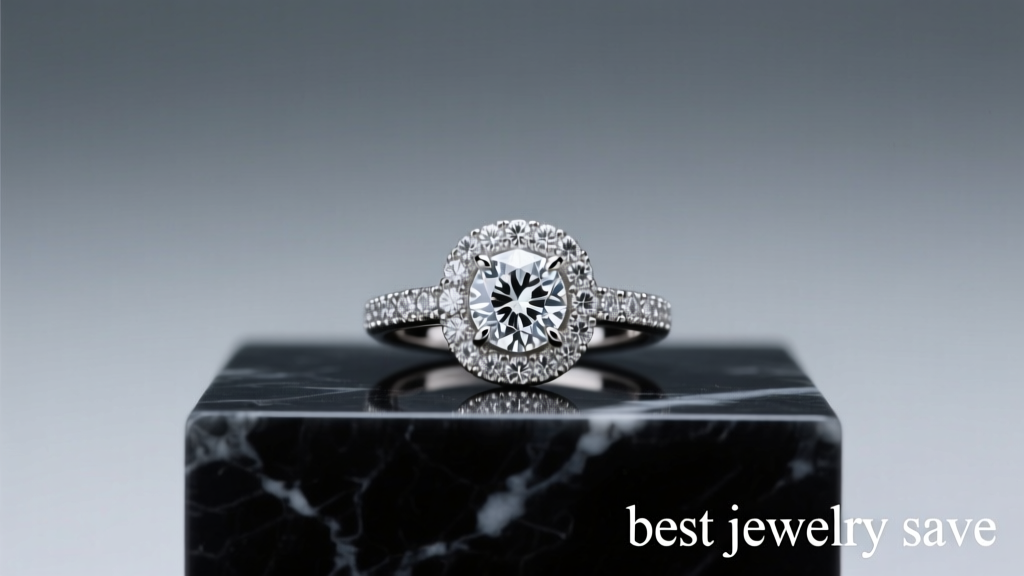 How to Protect and Store Wedding Jewelry
 How to Choose a Wedding Band With a Zirconium Material
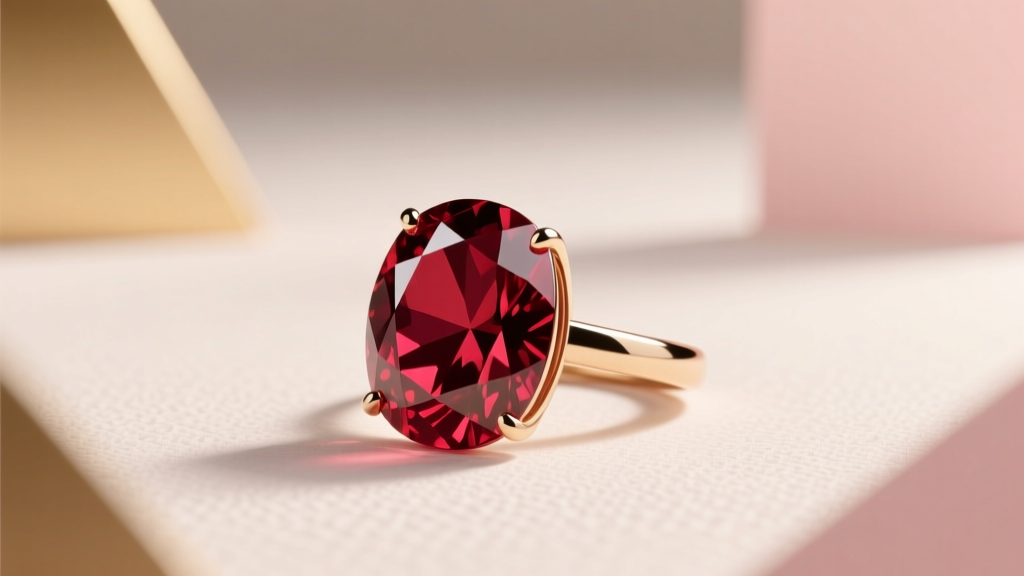 Garnet Engagement Rings January Birthstone Deep Red
 How Wide Should a Woman's Wedding Band Be? (2026)
 How to Clean Diamond Rings Without Harsh Chemicals
 Oval Diamonds Illusion of Larger Size
 How to Clean Gold Wedding Ring at Home Safely
 Engagement Ring Upgrade Options for Anniversaries
 How Do You Wear a Wedding Ring Set the Right Way
 What Are Wedding Bands Made Of? (2026)