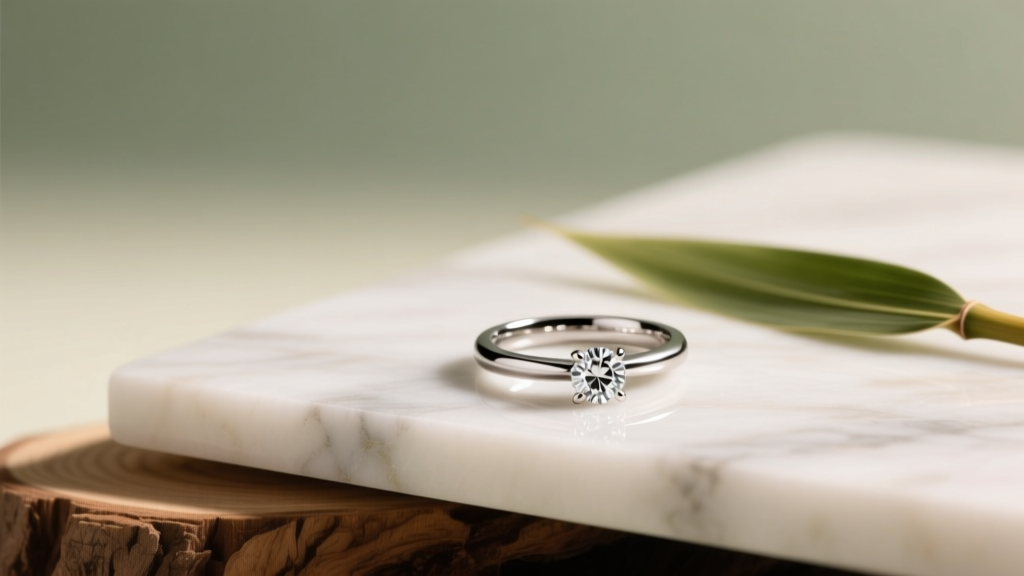
How to Choose an Engagement Ring With Ethical Sourcing
Shopping for an engagement ring is one of the few purchases that carries both emotional weight and everyday wearability. You’re choosing a piece of fine jewelry that will represent your relationship, fit your partner’s style, and hold up to years of daily life. Today, more couples also want the story behind the ring to align with their values—especially when it comes to ethical sourcing.
“Ethically sourced” can feel like a broad label, but it’s easier to navigate when you break it down into practical questions: Where did the diamond or gemstone come from? How was it produced? What metal is the ring made of, and was it recycled or responsibly mined? Is the craftsmanship transparent and fairly paid? With the right checklist, you can confidently choose an engagement ring (and wedding bands to match) that looks stunning and feels good to wear—inside and out.
What “Ethical Sourcing” Means in Engagement Rings
Ethical sourcing is about minimizing harm and increasing transparency across the jewelry supply chain. In engagement rings, this typically includes:
- Human rights: reducing the risk of forced labor, unsafe conditions, or funding conflict.
- Environmental impact: limiting land disruption, water use, and carbon footprint.
- Traceability: being able to document where materials came from and how they were handled.
- Responsible business practices: fair wages, safe workshops, and honest disclosures.
No option is perfect in every category, but you can make meaningful choices by prioritizing traceability, reputable certifications, and transparent jewelers.
Choose Your Center Stone: Ethical Options and How They Compare
1) Lab-Grown Diamonds: Popular, Ethical, and Trend-Forward
Lab-grown diamonds are real diamonds—same chemical composition (carbon), same hardness (10 on the Mohs scale), and the same sparkle when well cut. They’re created using methods like HPHT (high pressure, high temperature) or CVD (chemical vapor deposition). Because they avoid traditional mining, many couples choose lab-grown diamonds for their reduced land impact and improved supply-chain transparency.
Quality factors to check: Focus on the cut first (it drives brilliance), then color and clarity. Many lab diamonds can look “too good for the price,” so don’t overpay for ultra-high specs you won’t see with the naked eye.
Current trend: Larger lab-grown center stones in classic silhouettes—round brilliant solitaires, oval solitaires, and elongated cushions—often paired with a thin band or hidden halo for extra sparkle.
2) Natural Diamonds with Strong Traceability
If you want a natural diamond, look for improved traceability rather than relying on vague promises. Many natural diamonds are sold with paperwork that covers grading (like GIA), but grading reports are not the same as ethical documentation.
What helps:
- Country-of-origin programs or brand-backed traceability (documentation that follows the stone through cutting and manufacturing).
- Supplier transparency—a jeweler who can explain sourcing policies clearly.
- Responsible mining initiatives (varies by region and company). Ask for specifics rather than general statements.
How to shop smart: Prioritize cut quality and visual performance over chasing the highest color/clarity grades. In many settings, a well-cut G–I color and VS2–SI1 clarity can look exceptional.
3) Recycled/Vintage Diamonds: The Most “Low-Impact” Natural Option
Recycled diamonds (including antique or vintage stones) reuse existing gems, often reducing environmental impact. Many couples love the romance and uniqueness of old stones—especially Old European or Old Mine cuts, which have chunkier facets and a softer, candlelit sparkle.
What to watch: Make sure the diamond is evaluated for durability issues like chips near the girdle, abrasion on facet edges, or previous repairs. A competent jeweler can inspect and recommend protective settings if needed.
4) Ethical Gemstones: Sapphires, Moissanite, and More
Diamond isn’t the only engagement ring center stone. Ethical gemstones can be a beautiful choice—especially for couples who want color, individuality, or a certain meaning.
- Sapphire: Durable (9 Mohs), available in blue, pink, peach, yellow, and teal. Look for responsibly sourced sapphires or lab-grown sapphires for added transparency.
- Moissanite: Lab-created in modern jewelry, very durable (9.25 Mohs), and extremely sparkly with more “fire” than diamond. Excellent value for larger sizes.
- Emerald and opal: Beautiful but more delicate. Emeralds (7.5–8 Mohs) often have inclusions and need protective settings. Opals require careful wear and aren’t ideal for very active lifestyles.
Trend + classic balance: A sapphire engagement ring in a timeless setting (solitaire, three-stone, or bezel) feels fresh but never dated—especially when paired with a simple wedding band.
Ethical Metals: What Your Ring Is Made Of Matters Too
The band and setting account for most of the ring’s metal content. Ethical sourcing here often comes down to recycled metal and responsible refining practices.
Platinum
Platinum is dense, naturally white, and highly durable—ideal for prongs that hold a diamond securely. It develops a soft patina over time rather than losing metal. Choose recycled platinum when possible.
Gold (14K vs 18K)
Gold is a classic for engagement rings and wedding bands. Ethical options include recycled gold or gold sourced through responsible refining programs. For everyday wear:
- 14K gold: More durable due to higher alloy content; great for active hands.
- 18K gold: Richer color and higher gold content; slightly softer but still excellent for most wearers.
White Gold vs Platinum
White gold is typically plated with rhodium for a bright white finish. Expect periodic rhodium replating (often every 1–3 years depending on wear). Platinum costs more upfront but is naturally white and lower maintenance in that respect.
Settings and Craftsmanship: Design Choices That Support Ethical Buying
Even a responsibly sourced stone can be set poorly. Secure craftsmanship protects your investment and reduces the risk of loss.
Popular ethical-friendly settings
- Solitaire (4 or 6 prong): Timeless and minimizes metal use while showcasing the center stone.
- Bezel: A sleek rim of metal surrounds the stone; excellent protection and a modern look.
- Three-stone: Symbolic and classic; works well with recycled side stones or lab-grown accents.
- Halo: Trend-forward sparkle. Choose well-made halos with sturdy micro-prongs, not overly delicate “ultra-thin” construction.
Practical durability tips
- For daily wear, avoid ultra-thin bands (under ~1.8mm) unless your jeweler confirms it’s structurally sound for your lifestyle.
- Choose protective settings for softer gemstones (bezel or halo can help shield edges).
- Inspect prongs: they should be even, smooth, and substantial enough to secure the stone.
Ethical Buying Checklist: Questions to Ask Your Jeweler
- Can you share documentation for the diamond/gemstone’s origin or supply chain?
- Is the metal recycled? If so, what percentage and from which refiner?
- Who set the stone? In-house bench jeweler vs outsourced; ask about craftsmanship standards.
- Do you offer a warranty or maintenance plan (prong checks, cleaning, replating)?
- Can I see the stone under magnification and in different lighting?
A trustworthy jeweler answers clearly and doesn’t rely on buzzwords. If you hear “ethical” without specifics, ask follow-ups.
Price Range Considerations: Where Your Budget Goes (and How to Maximize Value)
Ethically sourced engagement rings span a wide price range. Here’s what typically influences cost:
- Stone type: Natural diamonds tend to cost more than lab-grown at the same size/grade. Specialty sapphires (fine untreated, rare colors) can also be premium-priced.
- Cut quality: Excellent cut adds value because it improves sparkle more than a small bump in color or clarity.
- Metal choice: Platinum usually costs more than 14K gold; 18K gold can also raise the price.
- Setting complexity: Halos, pavé bands, and intricate vintage-inspired details require more labor and maintenance.
Value tips that work in real life
- Prioritize cut: A well-cut round brilliant or oval will outshine higher color grades with mediocre cut.
- Choose “eye-clean” clarity: Many SI1 stones look clean without magnification, especially in rounds.
- Consider slightly warmer color: G–I in white metals often looks bright; in yellow/rose gold, you can comfortably go lower and still look stunning.
- Use lab-grown side stones with a responsibly sourced center (or vice versa) to balance ethics and budget.
Care and Maintenance: Keep an Ethically Sourced Ring Looking New
Ethical sourcing doesn’t change the basics of jewelry care, but good maintenance protects your ring and prevents avoidable repairs.
- Clean regularly: Warm water, mild dish soap, and a soft toothbrush work well for diamonds, sapphires, platinum, and gold. Rinse thoroughly and pat dry.
- Avoid harsh chemicals: Chlorine and strong cleaners can damage metals and some gemstones.
- Schedule prong checks: Every 6–12 months, especially for prong and pavé settings.
- Remove for high-impact activities: Gym workouts, heavy lifting, gardening, and some sports can bend prongs or scratch metal.
- Store safely: Keep rings separate to avoid scratching—diamonds can scratch other jewelry.
Common Mistakes to Avoid When Shopping Ethically
- Assuming a grading report equals ethical sourcing: GIA/IGI reports tell you quality, not origin ethics.
- Buying for carat weight alone: Cut quality and proportions matter more for brilliance and face-up size.
- Choosing delicate designs that won’t last: Ultra-thin bands and fragile micro-prongs can mean frequent repairs.
- Not matching lifestyle to gemstone choice: Opal and emerald can be daily-wear risks without the right setting and care.
- Overpaying for specs you can’t see: D color and FL clarity are beautiful, but many couples can’t visually distinguish them from smart “sweet spot” grades once set.
- Skipping written policies: Return windows, resizing rules, warranties, and upgrade options matter.
FAQ: Ethical Sourcing and Engagement Rings
Are lab-grown diamonds considered ethical?
They can be a strong ethical choice because they reduce mining-related impacts and can offer clearer supply chains. Ask about the manufacturer’s energy sources and the jeweler’s transparency on production and certification.
What’s the most ethical metal for an engagement ring?
Recycled gold or recycled platinum are top choices because they reuse existing material. If recycled isn’t available, ask about the refiner’s responsible sourcing and environmental practices.
Do ethical diamonds cost more?
Not always. Lab-grown diamonds often cost less than natural diamonds. Natural diamonds with robust traceability or brand-backed sourcing may be priced higher due to documentation and supply chain controls.
Is a vintage engagement ring automatically ethical?
Vintage and antique rings are generally low-impact because they reuse materials. Still, have the ring checked for structural integrity (prongs, thinning shank, worn settings) and plan for any restoration by a skilled jeweler.
Which ring styles are both trendy and timeless?
Right now, oval solitaires, bezel settings, and three-stone rings are especially popular. They also age well stylistically, making them a safe choice if you want a modern look that won’t feel dated.
How can we ethically match wedding bands to the engagement ring?
Use the same approach: choose recycled metals, ask for sourcing transparency, and prioritize durability. Many couples like a classic plain band in 14K/18K gold or platinum, or a half-eternity band with lab-grown diamonds for sparkle with fewer sourcing concerns.
Next Steps: Build an Ethical Ring You’ll Love for Decades
An ethically sourced engagement ring comes down to smart, transparent choices: pick a center stone that fits your values (lab-grown, traceable natural, or vintage), choose recycled gold or platinum when possible, and invest in solid craftsmanship that protects your stone. Pair that with a practical setting—whether you love a timeless solitaire, a modern bezel, or a classic three-stone—and you’ll have a ring that looks beautiful and wears beautifully.
If you’re comparing engagement rings, wedding bands, and gemstone options, explore more jewelry guides on weddingsift.com to keep shopping with clarity and confidence.
More Articles
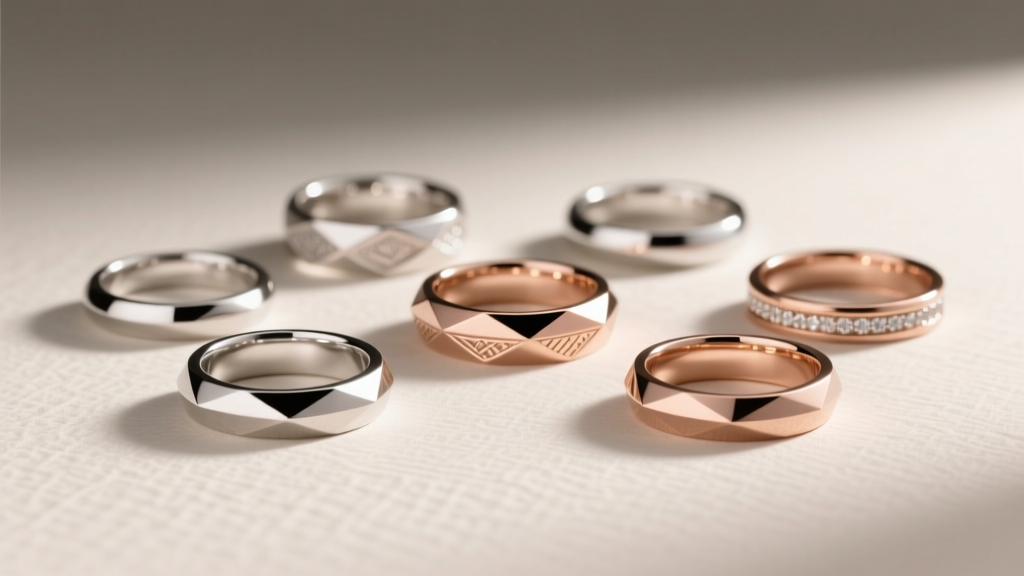 Custom Contour Wedding Bands Online (2026)
 Is Bill Maher Wearing a Wedding Ring? The Truth Revealed
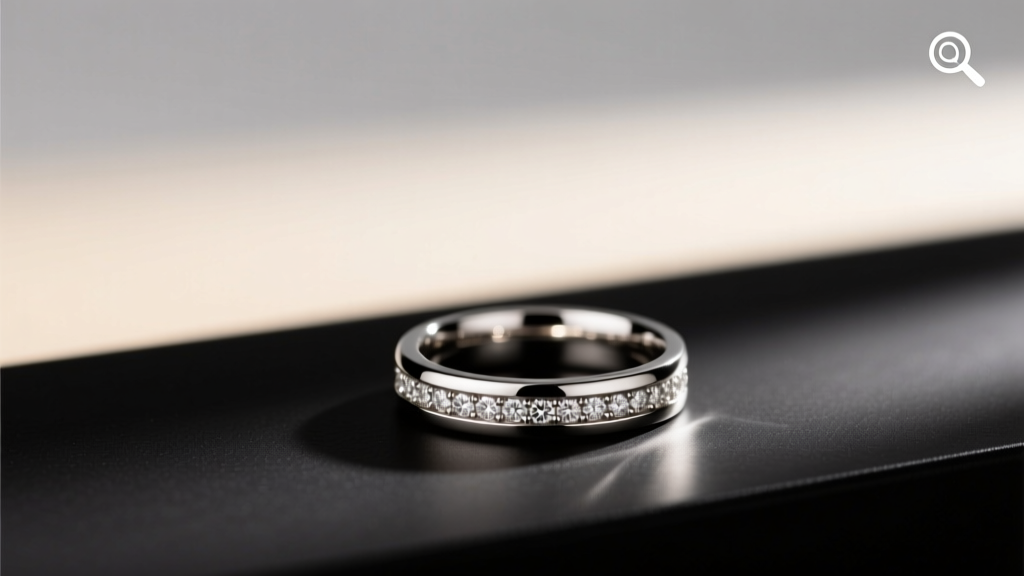 How Much Is My Wedding Ring Worth? (2026)
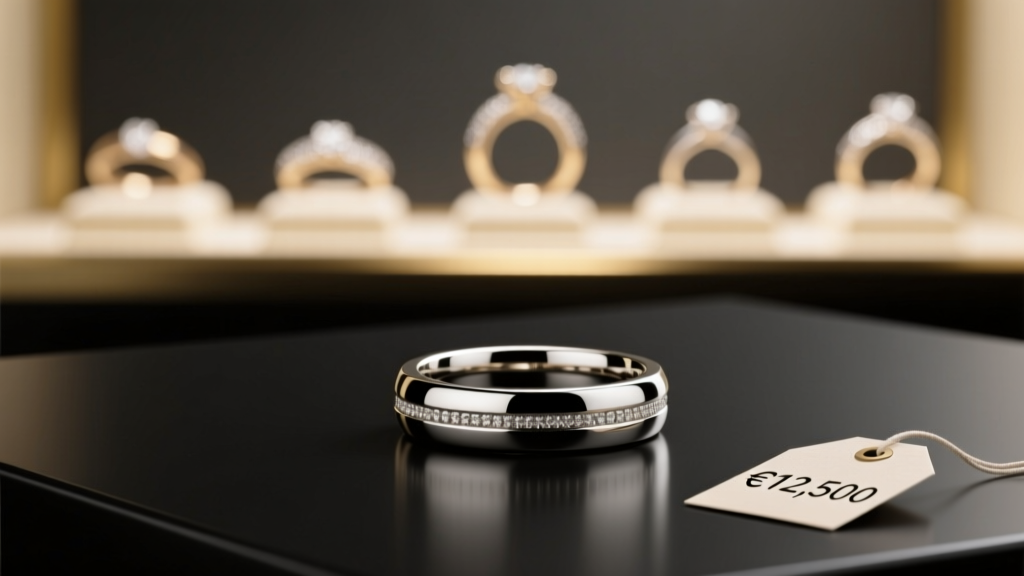 De Beers Wedding Rings: Real Value & 5 Better Alternatives
 Claddagh Wedding Ring: Left vs. Right Hand Rules (2026)
 Line Hoop for Wedding Dress: Ultimate Guide (2026)
 Men’s Wedding Rings Materials: Top 7 (2026)
 How to Choose an Engagement Ring She Will Never Take Off
 De Beers Wedding Rings: 7 Hidden Truths (2026)
 Titanium Wedding Bands Are They Right for You