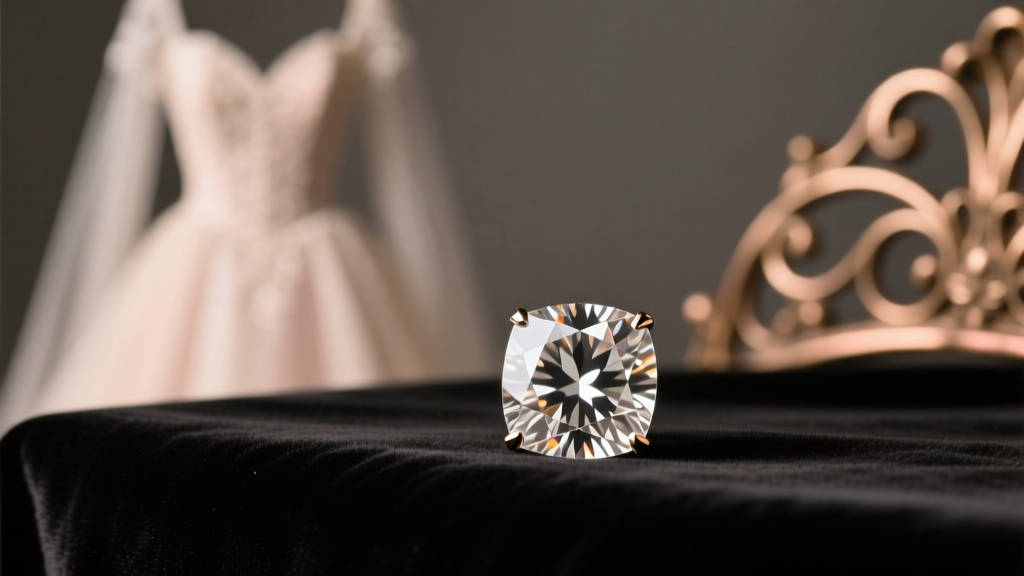
Cushion Cut Diamonds Vintage Appeal and Brilliance
Cushion cut diamonds have a way of feeling both familiar and fresh—like a treasured heirloom you “happen” to find in a modern boutique. With their soft, pillow-like outline and romantic sparkle, cushion cuts have become a favorite for couples who want an engagement ring that nods to vintage style without sacrificing presence on the hand.
Part of the appeal is versatility. Cushion cut engagement rings can read antique and delicate in a halo or bezel setting, or bold and contemporary in a sleek solitaire. They also offer a different personality from the sharper geometry of a princess cut or the long lines of an oval. For many shoppers, the cushion cut sits in that sweet spot: refined, forgiving on the eye, and full of character.
This guide breaks down how cushion cut diamonds sparkle, how to choose quality, what settings flatter the shape, and how to spend wisely—so you can shop with confidence for an engagement ring or wedding band that feels right for your story.
What Is a Cushion Cut Diamond?
A cushion cut diamond is a square or rectangular diamond with rounded corners and gently curved sides—often described as a “pillow” shape. Cushion cuts date back to the 19th century, evolving from old mine cuts and early brilliant styles. Today’s cushion cuts range from truly antique-inspired to intensely sparkly modern versions.
Cushion Cut vs. Round, Princess, Oval, and Radiant
- Round brilliant: The benchmark for maximum sparkle and consistent performance. Cushion cuts can be equally lively, but their sparkle pattern is different—often chunkier and more romantic.
- Princess cut: Sharper corners and a more angular, modern look. Cushion cuts feel softer and often hide minor corner wear better due to rounded edges.
- Oval: Elongates the finger strongly. Elongated cushion cuts can offer a similar lengthening effect with a more vintage silhouette.
- Radiant cut: Brilliant-style faceting with clipped corners and a crisp outline. Cushions can be brilliant, too, but typically look less “glassy” and more plush in outline.
The Two Main Cushion Styles: “Chunky” vs. “Crushed Ice”
Cushion cuts aren’t one-size-fits-all. Their faceting patterns vary widely, which changes how they reflect light.
Chunky Facets (Antique/Vintage-Inspired)
Chunky cushion cuts show larger facets that create bold, slower flashes of light—often described as “candlelight” sparkle. This style is popular for vintage engagement rings, especially when paired with milgrain, filigree, or an old-world halo.
Crushed Ice (Modern Brilliant Look)
Crushed ice cushions have many small facets that produce a splintery, shimmering effect. They can look very bright under spotlighting and tend to blend reflections together. Some shoppers love the glitter; others prefer the clearer facet pattern of chunky cushions.
Buying tip: Ask to see a few cushion cuts side-by-side (or compare videos) so you can identify the sparkle style you prefer. This is one of the biggest “feel” differences that specs alone won’t capture.
Quality Factors: How to Choose a Great Cushion Cut Diamond
When shopping for cushion cut diamonds, the classic 4Cs (cut, color, clarity, carat) still apply—but “cut quality” requires extra attention because cushions don’t have a single standardized cut grade across all labs.
Cut and Proportions: Prioritize Light Performance
Unlike round diamonds, cushion cuts can vary dramatically in depth, table size, and facet arrangement. A well-cut cushion should look bright, balanced, and lively without obvious dark zones.
- Watch for a “bow-tie” shadow: Common in elongated shapes, including elongated cushions. A slight bow-tie can be normal, but it shouldn’t dominate the center.
- Avoid “windowing”: If you can see through the center like glass, the stone may be leaking light.
- Face-up size matters: Deep cushion cuts can look smaller than their carat weight suggests. Compare millimeter measurements, not just carat.
Color: Warmth Can Look Beautiful in Vintage Styles
Cushion cuts can show color slightly more than rounds, especially in larger stones. For a bright white look in white metals (platinum or white gold), many couples choose around G–H color or higher. For vintage-inspired rings—especially in yellow gold or rose gold—slightly warmer diamonds (I–J) can look intentional and romantic while offering better value.
Clarity: Choose Eye-Clean Over Perfect on Paper
Cushion cuts can hide inclusions fairly well due to their faceting, particularly crushed ice styles. Many shoppers can comfortably choose VS2 or SI1 clarity if the diamond is eye-clean (no visible inclusions from the top at normal viewing distance). Always confirm with magnified images and, ideally, a video.
Carat and Shape Ratio: Square vs. Elongated Cushion
Cushion cuts range from near-square to noticeably rectangular. If you want a classic cushion silhouette, look for a length-to-width ratio close to 1.00–1.05. For a more elongated look (similar to an oval effect), consider 1.10–1.25. Choose what flatters your hand and matches the setting style.
Best Settings for Cushion Cut Engagement Rings
Cushion cuts are famously adaptable. The “right” setting is the one that protects the stone, complements its outline, and fits your lifestyle.
Solitaire: Timeless and Modern
A cushion cut solitaire engagement ring highlights the stone’s shape without distraction. Four-prong settings feel airy and classic; six-prong adds security and a slightly more vintage vibe. Consider a slightly tapered band to keep the look elegant and balanced.
Halo: Vintage Glam and Extra Sparkle
Halo engagement rings are a natural match for cushions because the rounded outline pairs beautifully with a frame of pavé diamonds. A cushion halo can make the center diamond look larger and enhance brilliance. For a true vintage look, choose milgrain edges and a slightly softer, antique-style halo (not overly tight and uniform).
Bezel and Half-Bezel: Sleek Protection
Bezel-set cushion cut diamonds are trending for couples who want clean lines and durability. A full bezel offers excellent protection—ideal for active lifestyles—while a half-bezel keeps more of the diamond visible for a lighter feel. Bezel settings also reduce snagging, a common complaint with high-prong rings.
Three-Stone Rings: Meaningful and Balanced
A cushion center diamond paired with tapered baguettes, half-moons, or round side stones creates a timeless, elegant engagement ring. Three-stone designs are both classic and on-trend, especially with mixed shapes and refined, low-profile baskets.
Metal Choices: Platinum, White Gold, Yellow Gold, and Rose Gold
- Platinum: Naturally white, durable, and heavy with a premium feel. Great for secure prongs and daily wear; develops a soft patina over time.
- 14K or 18K white gold: Bright and sleek; often rhodium-plated for extra whiteness. 14K is slightly more scratch-resistant than 18K due to higher alloy content.
- Yellow gold: A classic choice for vintage-style cushion cut engagement rings. Warmth can complement slightly lower color grades and antique-inspired designs.
- Rose gold: Romantic and modern-vintage. Works beautifully with halos, bezel settings, and delicate pavé, though very warm diamonds may appear warmer against rose tones.
Trend watch: Mixed-metal rings are gaining popularity—such as a yellow gold band with platinum prongs—to keep warmth in the shank while maintaining a crisp, white frame around the diamond.
Matching Wedding Bands with Cushion Cut Engagement Rings
Cushion cut engagement rings pair well with many wedding band styles:
- Classic plain band: Timeless, practical, and lets the engagement ring shine.
- Pavé diamond band: Adds brilliance; choose similar stone size and setting style for a cohesive set.
- Contour or curved band: Ideal for halos or low-set cushions where a straight band leaves a gap.
- Vintage-inspired band: Look for milgrain, engraving, or alternating shapes (marquise/round) to echo an antique look.
Price Range and Value Tips for Cushion Cut Diamonds
Cushion cut diamond prices vary based on carat, color, clarity, and the specific cutting style. In general, cushion cuts can offer better value than round brilliants of comparable quality, though high-performing, well-proportioned cushions can command premium pricing.
- Compare by millimeters: Two diamonds with the same carat weight may face up very differently. A slightly shallower (but still well-cut) cushion can look larger.
- Consider near-colorless ranges: Going from F to G or H can reduce price while still looking bright in most settings, especially in yellow or rose gold.
- Choose eye-clean clarity: An SI1 that’s truly eye-clean can free budget for a larger carat or a more intricate setting.
- Prioritize cut appearance over paper specs: For cushions, visual performance (video, ASET/Ideal Scope images, expert review) often matters more than chasing the highest grades.
Care and Maintenance: Keeping a Cushion Cut Brilliant
Cushion cuts can collect oils and lotions that dull sparkle, especially in pavé or halo settings. A simple routine keeps your engagement ring and wedding band looking their best.
- At-home cleaning: Soak in warm water with mild dish soap for 15–20 minutes, then gently brush with a soft toothbrush (especially under the basket and around pavé). Rinse and pat dry with a lint-free cloth.
- Avoid harsh chemicals: Chlorine and abrasive cleaners can damage metals and loosen settings over time.
- Remove for impact activities: Gym workouts, heavy lifting, gardening, and certain sports can bend prongs or chip stones.
- Professional checkups: Have prongs and pavé inspected every 6–12 months, especially for halos and micro-pavé bands.
Common Mistakes to Avoid When Shopping for Cushion Cut Diamonds
- Buying by carat weight alone: Always check length and width in millimeters so you know how large the diamond appears face-up.
- Assuming all cushions sparkle the same: Decide whether you prefer chunky facets or crushed ice—then shop within that style.
- Ignoring light performance: A cushion can have great color and clarity yet look sleepy if it leaks light. Ask for videos and, when possible, light performance images.
- Choosing a fragile setting for your lifestyle: Very delicate pavé or high-set prongs may snag or wear faster. If you’re hands-on daily, consider a lower profile, sturdier prong design, or a bezel.
- Mismatching band and engagement ring height: Halos and baskets can prevent a flush fit with a straight wedding band. Plan the set together to avoid gaps or discomfort.
FAQ: Cushion Cut Diamonds for Engagement Rings
Do cushion cut diamonds sparkle as much as round diamonds?
A well-cut cushion can be extremely brilliant, but the sparkle pattern differs. Rounds often show more uniform scintillation, while cushions can show either bold, chunky flashes (antique-style) or a glittery crushed-ice shimmer (modern style).
Is a cushion cut diamond a good choice for a vintage engagement ring?
Yes. Cushion cuts are one of the best cuts for vintage-inspired engagement rings because their shape and facet patterns connect naturally to antique styles. Pair with milgrain, engraving, or a halo for a true heirloom feel.
What’s the best setting to protect a cushion cut diamond?
A bezel is the most protective option, followed by a sturdy prong setting with well-built corner coverage. While cushions have rounded corners, they still benefit from secure prongs—especially if the diamond is more square with pronounced edges.
What color grade looks best in yellow gold with a cushion cut?
Many couples love G–I in yellow gold for a balance of brightness and value. If you like a warmer, antique look, I–J can be beautiful—especially in vintage settings with milgrain and warmer metal tones.
Can I pair a cushion cut engagement ring with a straight wedding band?
Often yes with solitaires or higher-set designs. Halo and low-profile cushion settings may require a contour (curved) wedding band to sit close. Try on bands alongside the engagement ring whenever possible.
Are elongated cushion cut diamonds trending?
Yes. Elongated cushions are popular right now because they offer a flattering finger-lengthening effect similar to ovals, while keeping that soft, vintage-meets-modern cushion outline.
Next Steps: Choosing a Cushion Cut You’ll Love for Life
If you want a diamond that blends vintage appeal with standout brilliance, the cushion cut deserves a top spot on your shortlist. Focus on the sparkle style you prefer (chunky or crushed ice), compare face-up size in millimeters, and choose a setting and metal that match your daily routine—whether that’s a classic solitaire, a romantic halo, or a sleek bezel.
For more guidance on engagement rings, wedding bands, diamond shapes, and metal types, explore more jewelry guides on weddingsift.com.
More Articles
 Shower With Wedding Ring? 3 Steps to Prevent Damage
 Wedding Band Order: Top or Bottom? (2026)
 Wedding Band Thickness vs Engagement Ring: 3 Rules (2026)
 How to Choose a Wedding Band With a Damascus Steel Pattern
 How to Choose a Wedding Band With Diamond Accents
 How to Choose an Engagement Ring With a Pave Band
 How to Resize a Silicone Wedding Band Safely
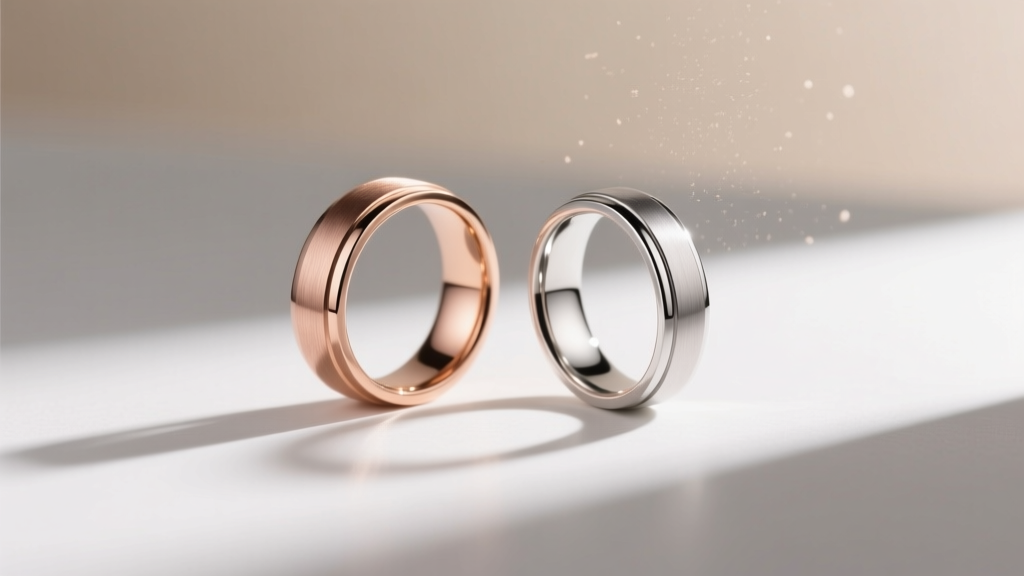 Wedding Bands Can Be Different Colors (2026)
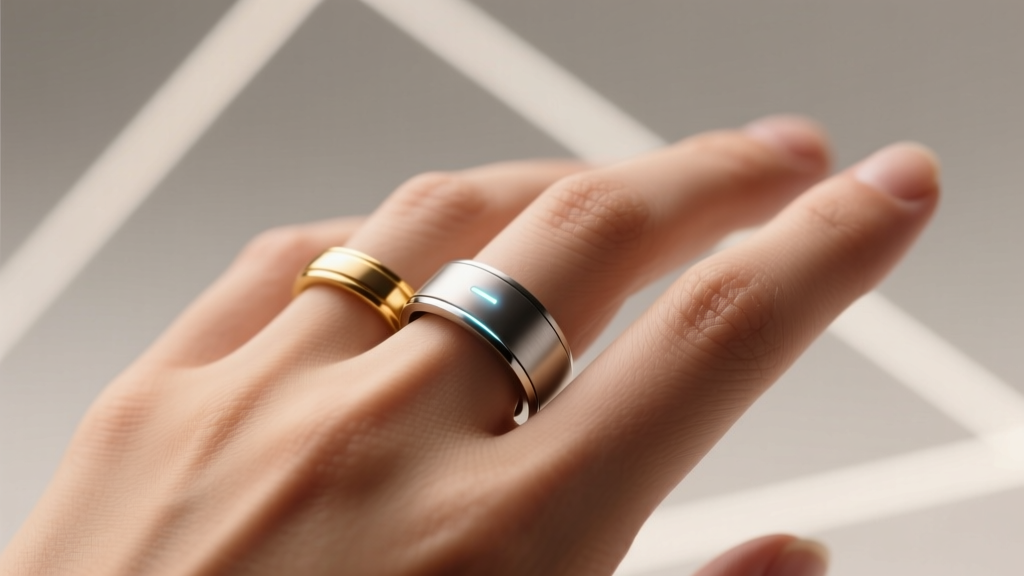 Smart Ring on Wedding Finger: Truth & Trade-Offs
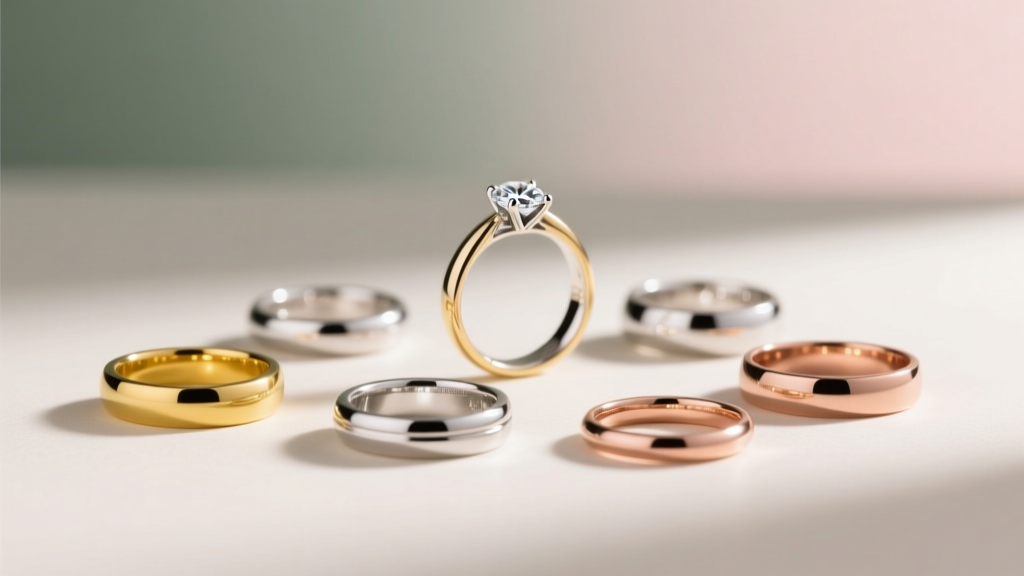 Wedding Ring Metals: Gold, Silver, Platinum & Rose Gold