How to Choose a Wedding Band With a Damascus Steel Pattern
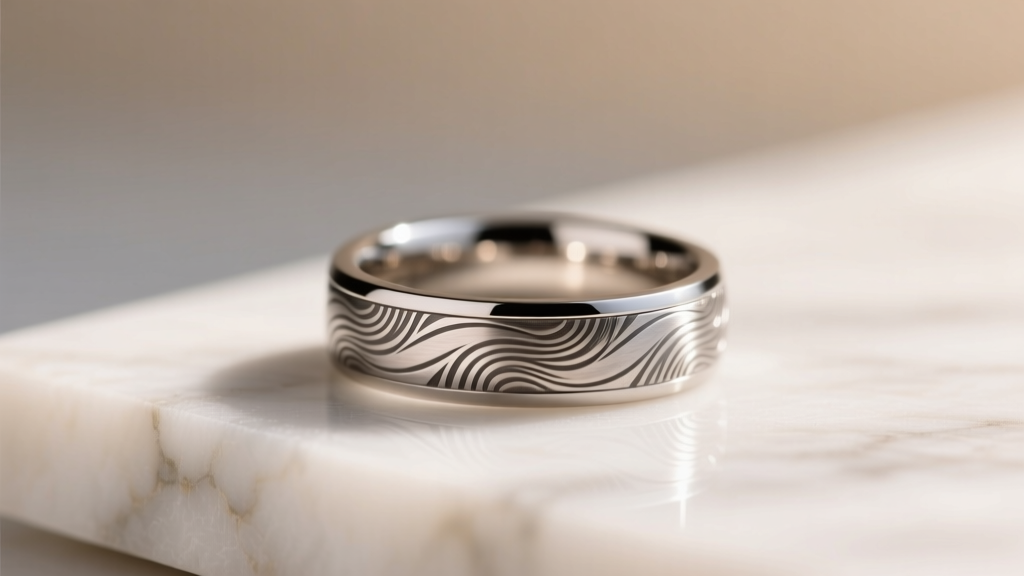
A Damascus steel wedding band stands out the moment you see it. Instead of a single flat color, you get flowing waves, topographic lines, or woodgrain-like ripples that look different under every angle of light. For couples who want a wedding ring that feels personal and a little unconventional—without drifting into “trendy for the sake of trendy”—Damascus steel hits a sweet spot.
The pattern isn’t just decoration; it’s the result of how the metal is made. That craftsmanship affects durability, comfort, price, and how the ring will age over decades. If you’re shopping for engagement rings and wedding bands as a set, Damascus adds even more choices: you can keep the engagement ring classic and let the band be the statement, or coordinate both rings with matching accents like a diamond set in a modern bezel.
This guide breaks down what Damascus steel really is, which styles wear best day-to-day, how to judge quality, and how to avoid common shopping mistakes—so you end up with a wedding band you’ll still love on your 10th anniversary.
What Makes a Damascus Steel Pattern Unique?
The basics: layered metals and forged patterns
Damascus-style jewelry is typically created by layering two or more metals, forging them together, and manipulating the billet (twisting, folding, or laddering) to create a visible pattern. When the metal is etched, the layers react differently and the pattern appears with contrast. Think of it as a “fingerprint” created by the making process—no two rings look exactly the same.
Common pattern types you’ll see
- Woodgrain / flowing: smooth, organic lines; timeless and easy to pair with other rings.
- Twist: spiral movement around the band; feels modern and dynamic.
- Ladder / raindrop: more geometric; high contrast and bolder character.
- Mosaic: intricate, tile-like visuals; usually higher cost due to complexity.
Trend-wise, couples are gravitating toward patterns with high contrast and clean silhouettes—often paired with matte finishes, beveled edges, or subtle gemstone accents for a contemporary look.
Damascus Steel Materials: What You’re Actually Buying
Damascus steel vs. Damascus stainless steel
Many wedding bands described as “Damascus” are made from layered steels. Some are closer to traditional carbon steel blends; others use stainless steel for improved corrosion resistance. Stainless-based Damascus generally holds up better to moisture and everyday wear, while carbon-steel-heavy mixes can be more prone to oxidation if not cared for.
Damasteel® and premium stainless Damascus
If you see Damasteel mentioned, that’s a well-known premium stainless Damascus material used in jewelry. It’s valued for consistent quality, strong corrosion resistance, and crisp etching that shows the pattern clearly. It often costs more than generic Damascus steel, but it’s also a safer bet for low-maintenance wear.
Popular inlays and pairings (and what they mean for durability)
Damascus steel is frequently combined with other metals for contrast or symbolism:
- Yellow gold or rose gold inlays: adds warmth and a classic bridal feel; great for pairing with a traditional engagement ring.
- Platinum or white gold edges: refined and timeless, but pricier; useful if you want a brighter, whiter frame around the pattern.
- Titanium or tungsten cores: boosts scratch resistance or structure, but affects resizing options (more on that below).
- Meteorite inlay: striking and on-trend; requires careful sealing and moisture awareness.
- Wood inlay: looks amazing, but needs more careful water/chemical avoidance for longevity.
If you’re sensitive to metals, ask for the exact composition. Some Damascus mixes may include nickel, which can be an issue for nickel-sensitive wearers.
Choosing a Style That Looks Great and Wears Well
Band width: proportion and comfort
Damascus patterns show more clearly on wider bands, but width should match your hand and lifestyle:
- 4–6mm: a balanced, classic width; comfortable for smaller hands; easy to pair with an engagement ring.
- 7–8mm: popular for a bolder look; gives the pattern room to shine.
- 9–10mm+: statement territory; best if you like substantial rings and don’t mind extra presence.
Profile and edges: comfort-fit is worth it
Look for a comfort-fit interior (slightly rounded inside). It reduces pressure points and makes the ring easier to slide on and off—especially helpful if your fingers swell with heat or activity.
Exterior profiles to consider:
- Flat: modern and clean; shows pattern clearly.
- Dome: timeless; slightly softer look and feel.
- Beveled: crisp, contemporary edges; pairs well with minimalist engagement ring settings.
Finish: matte vs. polished vs. hammered
A polished finish can brighten contrast, but it also shows scratches sooner. Matte or satin finishes are trending because they feel modern and disguise fine wear. Hammered or distressed finishes can add texture, but make sure it’s intentional craftsmanship rather than uneven finishing.
Gemstones and Settings That Pair Well With Damascus
Damascus steel bands can absolutely include gemstones—just choose styles that fit the metal’s rugged elegance.
Best gemstone choices for daily wear
- Diamonds (especially round brilliant): timeless, bright, and durable (Mohs 10).
- Black diamonds: a current favorite with alternative wedding bands; dramatic against steel patterning.
- Sapphires (blue, white, or black): durable (Mohs 9) and classic; a great “something blue” option.
- Moissanite: high sparkle and excellent durability; often a strong value pick.
Settings that make sense with patterned metal
- Bezel setting: sleek, secure, and modern; ideal for active lifestyles.
- Flush / gypsy setting: stone sits level with the surface; low snag risk and very wearable.
- Channel setting: clean line of stones; choose if you want more brilliance without prongs catching.
Prong settings can work, but they’re easier to catch on fabric and may require more upkeep. If you want a single accent stone, a flush-set round diamond or sapphire is a timeless, practical choice.
Quality Factors: How to Spot a Great Damascus Steel Wedding Band
Pattern clarity and consistency
You want a pattern that looks intentional, not muddy. High-quality Damascus shows distinct contrast and flow. Ask to see close-up photos in multiple lighting conditions. If buying online, look for actual product photos rather than only renderings.
Etching and finishing
The pattern is revealed through etching. A good finish looks even, with no blotchy patches. Ask whether the ring is sealed or treated to improve corrosion resistance, especially if it’s a carbon-steel-forward blend.
Craftsmanship details
- Seamless construction: a clean join (or no visible seam) is a sign of careful work.
- Clean edges and comfort-fit interior: should feel smooth, not sharp.
- Secure stone setting: stones should sit straight and tight with no rattling.
Resizing and long-term serviceability
One of the biggest practical questions: Can it be resized? Many Damascus steel rings can be resized within limits, but it depends on the exact metal mix and whether the ring includes inlays, stones, or a hard core like tungsten. If you’re unsure about your size—or you’re shopping far ahead of the wedding—choose a design that allows resizing or confirm the maker’s exchange policy.
Practical Buying Tips for Couples
- Order a sizing kit if buying online. Comfort-fit rings often feel slightly different than standard-fit.
- Match your lifestyle to your finish: matte/satin for low visibility of scratches; polished if you love shine and don’t mind refinishing.
- Coordinate with an engagement ring thoughtfully: if your engagement ring is a solitaire (round, oval, or cushion cut), a simple Damascus band with clean edges looks balanced. If the engagement ring has pavé or a halo, consider a narrower Damascus band or one with a subtle inlay to avoid visual competition.
- Ask about maintenance services: re-etching, refinishing, or sealing can refresh contrast over time.
- Confirm metal content if you have allergies or want nickel-free options.
Care and Maintenance: Keeping the Pattern Looking Sharp
Daily care
- Remove the ring for heavy lifting, yard work, or abrasive tasks to reduce scratching.
- Avoid chlorine (pools/hot tubs) and harsh cleaners, which can dull finishes and affect etching over time.
Cleaning at home
Use warm water, mild dish soap, and a soft toothbrush. Rinse thoroughly and dry with a lint-free cloth. Avoid ultrasonic cleaners unless the jeweler confirms the ring and any gemstones/settings are suitable.
Refreshing the finish
Over years, Damascus contrast can soften slightly due to wear. Many makers can refinish or re-etch the surface to bring back crisp pattern definition. If your ring includes gold inlays or gemstones, professional servicing is the safest route.
Price Range and Value Tips
Damascus steel wedding bands generally offer strong value because the look is highly detailed without the cost of an all-platinum or heavy gold band. Typical price ranges:
- $150–$400: simpler Damascus bands, basic finishes, minimal customization.
- $400–$900: premium Damascus materials (often stainless-based), better finishing, comfort-fit, custom widths, optional inlays.
- $900–$2,000+: Damasteel or complex patterns, gold/platinum inlays, flush-set diamonds or sapphires, fully custom work.
Best ways to maximize value:
- Prioritize comfort-fit and a finish that matches your lifestyle.
- If you want a gemstone, a single flush-set diamond or sapphire gives a premium look with minimal snag risk and typically lower setting cost than multi-stone designs.
- Pay for better material and craftsmanship rather than extra width you may not enjoy wearing daily.
Common Mistakes to Avoid When Shopping for Damascus Steel Rings
- Choosing based on photos alone: pattern contrast varies by lighting. Request real photos or video, and understand your ring will be one-of-a-kind.
- Ignoring resizing limitations: confirm resizeability or exchange options before ordering, especially for tungsten-core or heavily inlaid styles.
- Picking a finish that fights your routine: polished bands show wear faster; matte hides wear better but looks less shiny.
- Overcomplicating the design: Damascus already has visual movement. Too many extra elements (multiple inlays, heavy texturing, and many stones) can look busy over time.
- Skipping allergy checks: ask for exact alloys if you’re nickel-sensitive.
- Assuming “steel is indestructible”: it’s durable, but it can scratch and certain blends can corrode if neglected.
FAQ: Damascus Steel Wedding Bands
Are Damascus steel wedding bands durable enough for everyday wear?
Yes—especially stainless-based Damascus and premium options like Damasteel. They handle daily wear well, though they can still scratch like most metals. Choosing a satin or matte finish helps keep minor wear less noticeable.
Will the Damascus pattern fade over time?
The pattern is part of the metal layers, but the contrast you see is enhanced by etching and finishing. Over time, surface wear can soften the contrast slightly. Professional refinishing or re-etching can restore the crisp look.
Can Damascus steel rings be resized?
Sometimes, within limits. Resizing depends on the alloy mix, band construction, and whether the ring has inlays, gemstones, or a hard core. Always confirm resizing or exchange policies before purchase.
Do Damascus steel rings rust?
Stainless Damascus options are highly resistant to corrosion. Some carbon-steel-heavy blends can oxidize if frequently exposed to moisture or chemicals. Good sealing, proper drying, and routine cleaning help prevent issues.
What gemstones look best with Damascus steel?
Diamonds (including black diamonds), sapphires, and moissanite pair beautifully. For settings, bezel and flush-set stones are favorites because they look modern and stay secure for daily wear.
How do we match a Damascus wedding band with an engagement ring?
If the engagement ring is classic (solitaire, three-stone, or simple pavé), choose a Damascus band with a clean profile and a complementary finish. Coordinating small details—like a rose gold inlay that matches a rose gold engagement setting—creates a cohesive set without forcing an exact match.
Your Next Step: Choose a Band That Feels Personal and Practical
The best Damascus steel wedding band combines a pattern you love with the right comfort-fit, finish, and long-term serviceability for your lifestyle. If you want a modern look that still feels timeless, consider a medium-width (6–8mm) band with a satin finish and optional flush-set diamond or sapphire—classic sparkle meets a one-of-a-kind forged pattern.
Once you’ve narrowed down your preferred pattern and profile, confirm the exact materials, resizing options, and maintenance support. Then you can buy with confidence, knowing your wedding ring will look intentional on day one and still feel like “you” years from now.
For more expert guidance on wedding bands, engagement ring styles, gemstones, and metal choices, explore more jewelry guides on weddingsift.com.
More Articles
 Why Wedding Rings Slip Off (and 5 Fixes)
 Does Priscilla Presley Still Have Elvis’s Wedding Ring?
 Moissanite vs Diamond: Honest 2026 Guide
 Stefana Wedding Crowns: Easy DIY with Authentic Symbolism
 Pearl and Diamond Engagement Rings Classic Combination
 Wedding Ring Sizing: 5 Safe, Permanent Methods (2026)
 Three-Stone Engagement Rings Past Present Future Meaning
 Eternity Ring vs Wedding Band: What Jewelers Won’t Tell You
 How Much to Solder Wedding Rings (2026)
 Can You Wear a Wedding Ring in an MRI? (2026)