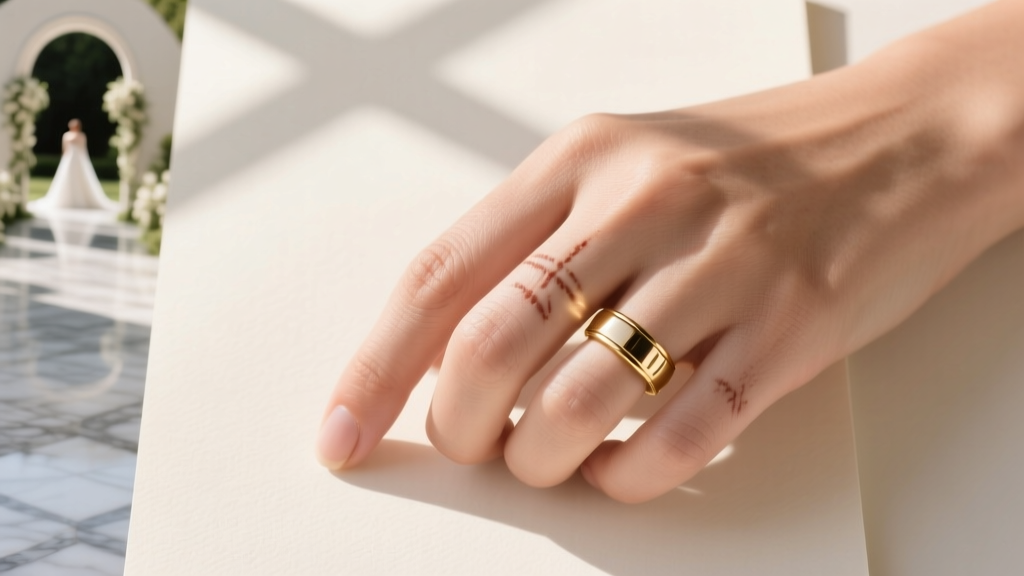
How to Prevent Wedding Ring Tan Lines and Discoloration
You finally have the engagement ring and wedding band you’ll wear every day—then summer hits, vacations happen, and a familiar pale stripe appears under your ring. Wedding ring tan lines are common, but they can be frustrating, especially when you’ve invested in a beautiful piece of fine jewelry meant to look effortless on your hand.
Ring-related discoloration isn’t always just a “tan line,” either. Some people notice redness, dark smudges, or dull-looking skin around the band. The good news: most causes are predictable, and prevention is usually simple once you understand how metals, settings, and daily habits interact.
This guide breaks down why wedding ring tan lines happen, how different metals and ring styles affect them, and what you can do—both while shopping and after you buy—to keep your ring and your skin looking their best.
Why Wedding Ring Tan Lines and Discoloration Happen
1) Sun exposure + an “umbrella effect”
A wedding band blocks UV light where it sits, so surrounding skin tans while the covered area stays lighter. Wider bands, stacked rings, and chunky settings create a stronger shadow, making the contrast more noticeable—especially if you tan easily or use self-tanner.
2) Trapped moisture, soap, and lotion
Rings can trap water, sunscreen, hand cream, and soap residue against the skin. That softens the skin (maceration) and can cause temporary redness, itching, or a dull, grayish look. This is most common with snug rings, wide bands, and settings with minimal airflow (like full bezels).
3) Metal reactions and oxidation
True “green finger” is often linked to copper oxidation (common in some lower-karat gold alloys). Sterling silver can tarnish and leave dark marks when it reacts with sulfur compounds in the air, skincare, or household cleaners. These marks typically wipe off, but they’re a sign your ring and skin are interacting with moisture and chemicals.
4) Fit and friction
A ring that’s too tight increases friction and traps more moisture. A ring that’s too loose can rotate, rubbing skin unevenly and collecting more debris under the band. Both scenarios can lead to irritation or discoloration that looks worse than a normal tan line.
How Ring Metals Affect Tan Lines and Skin Discoloration
14K vs. 18K gold: durability and skin friendliness
14K gold is a classic choice for engagement rings and wedding bands because it balances durability with fine-jewelry value. It contains more alloy metals than 18K, which can make it slightly more likely to react for those with sensitivities—depending on the exact alloy mix.
18K gold has a higher gold content and is often a bit gentler on sensitive skin, but it’s softer. If you’re active with your hands, 14K may resist scratches and dents better, helping the ring stay smooth (less friction against skin).
Yellow, white, and rose gold differences
- Yellow gold tends to be a comfortable everyday metal; it’s a timeless classic and popular for both minimalist bands and vintage-inspired settings.
- White gold is usually plated with rhodium for a bright, silvery finish. Rhodium can reduce skin interaction, but it wears over time (often 6–24 months depending on wear). When plating thins, the underlying alloy may be more noticeable against skin.
- Rose gold contains more copper for its blush tone. It’s trendy and romantic, but copper can oxidize and may be more likely to leave a faint mark for some wearers—especially with frequent hand sanitizer use.
Platinum: a premium low-reaction option
Platinum is naturally white, dense, and often recommended for sensitive skin. It develops a soft patina over time rather than flaking plating. Platinum is one of the best choices if you want a wedding band that stays consistent against skin with minimal risk of discoloration from metal reaction. It’s also a top pick for secure settings (like prongs holding a diamond) because of its strength.
Sterling silver and alternative metals
Sterling silver is affordable and beautiful, but it tarnishes more readily than gold or platinum, which can contribute to dark marks. For everyday wedding wear, silver is better for occasional use or fashion stacking rather than a primary forever band.
Tungsten and titanium are popular modern band metals because they’re durable and budget-friendly. They’re less likely to discolor skin from oxidation, but note that tungsten can’t be resized easily, and titanium resizing is limited—fit matters for comfort and reducing moisture trapping.
How Ring Style and Setting Influence Tan Lines
Band width and profile
Wide bands (6mm–10mm) and stacked sets create a sharper “no-sun” zone. If you prefer wider styles (a current trend, especially for men’s wedding bands and bold unisex looks), consider a comfort-fit interior—a softly rounded inner profile that reduces pressure and friction.
Bezel vs. prong settings
- Bezel settings (a metal rim around the stone) are sleek and protective—a modern favorite for active lifestyles. They can trap a bit more moisture near the top of the finger if the ring fits snugly.
- Prong settings (like classic solitaire engagement rings) allow more airflow and are easier to clean, which can reduce buildup that contributes to skin irritation.
Vintage details and pavé considerations
Timeless styles like pavé bands, milgrain edges, and engraved vintage-inspired rings look stunning, but their extra texture can hold lotion, sunscreen, and soap. If you love these details, plan for more frequent cleaning to prevent residue from transferring to skin.
Preventing Wedding Ring Tan Lines: Daily Habits That Work
Rotate “ring-free” time strategically
If you’re in direct sun (beach, hiking, pool days), remove your ring for short periods so the skin can tan more evenly. Keep your ring in a secure travel case—never loose in a bag or pocket.
Dry under the ring after washing
After handwashing, rinse thoroughly, then dry your hands well. Slide the ring slightly (without forcing it) to dry the skin beneath. This simple step prevents the damp environment that leads to redness and dull-looking skin.
Apply sunscreen and lotions the right way
Put on sunscreen and hand cream first, let it absorb, then put your ring back on. This reduces residue buildup under the band and helps keep diamonds and gemstones brighter.
Avoid harsh chemicals while wearing your ring
Remove rings before using bleach, chlorine, heavy-duty cleaners, or hair dye. These can discolor metals, dull gemstones, and increase skin irritation. Chlorine is especially rough on some gold alloys and can weaken prongs over time.
Care and Maintenance: Keep the Ring (and Skin) Clean
At-home cleaning for diamonds and durable gemstones
For diamond engagement rings and sturdy stones like sapphires and rubies (corundum), use a bowl of warm water with a few drops of mild dish soap. Soak 10–15 minutes, gently brush with a soft toothbrush around the setting (especially under the stone), rinse, and pat dry with a lint-free cloth.
Extra caution with softer or treated gemstones
Emeralds (often oiled), opals, pearls, and some treated stones require gentler care. Avoid ultrasonic cleaners and harsh scrubbing. If your ring features an emerald-cut emerald or an opal halo, ask your jeweler for a stone-specific cleaning plan to prevent damage.
Professional checks: prongs, plating, and polish
Schedule a professional inspection every 6–12 months. A jeweler will check prongs (especially on solitaire and pavé settings), tighten stones, deep-clean, and advise if rhodium replating is needed for white gold. A smooth, well-maintained finish reduces friction and irritation on skin.
Buying Tips to Minimize Tan Lines and Discoloration
Prioritize correct sizing (including seasonal changes)
Fingers swell in heat and during travel. If you’re between sizes, discuss sizing beads or a slightly adjusted fit with your jeweler. A ring that’s comfortably snug—secure but not tight—reduces trapped moisture and rubbing.
Choose a skin-friendly metal for your lifestyle
- For sensitive skin: consider platinum or high-quality 18K gold.
- For low-maintenance everyday wear: 14K yellow gold and platinum are consistent performers.
- If you love white metal: platinum or white gold with rhodium plating (plan for upkeep).
Look for quality craftsmanship in the finish and edges
Well-finished bands have smooth inner edges and consistent polish, reducing irritation. Comfort-fit interiors and neatly set stones (no snagging prongs) make daily wear easier and help prevent the micro-friction that can worsen discoloration.
Price Range Considerations and Value Tips
What you can expect to pay
- Sterling silver bands: often $50–$200 (best for occasional wear)
- Titanium/tungsten bands: typically $100–$600 (durable, but resizing limits)
- 14K gold wedding bands: commonly $300–$1,500+ depending on width and weight
- 18K gold bands: often $500–$2,500+ (higher gold content)
- Platinum bands: frequently $800–$3,000+ (premium metal, heavier feel)
Where to spend for long-term comfort
If ring tan lines and irritation are your concern, value is often found in better fit, comfort-fit shaping, and metal choice rather than extra design complexity. A simpler, well-made band in platinum or high-quality gold can wear more comfortably than an ornate ring that traps residue.
Common Mistakes to Avoid When Shopping
- Buying a ring that feels “a little tight” because you’re afraid of losing it. A too-tight ring traps moisture and can irritate skin.
- Choosing white gold without planning for rhodium maintenance. If you love bright white metal, budget for occasional replating.
- Ignoring how your engagement ring and wedding band sit together. Gaps and tight stacking can increase friction and grime buildup. Consider a curved band or custom fit for flush stacking.
- Assuming all gold is the same. Alloy mixes vary; if you have sensitivities, ask about nickel-free options and consider platinum.
- Wearing rings through heavy cleaning, swimming, or gym sessions. Chemicals and sweat contribute to both metal dullness and skin issues.
FAQ: Wedding Ring Tan Lines and Discoloration
How do I get rid of a wedding ring tan line fast?
The quickest approach is balance: remove the ring for short, safe sun exposure periods so the lighter area can catch up. For an event, a body makeup product or self-tanner can camouflage the contrast—apply carefully and let it dry fully before wearing your ring again.
Why does my ring leave a dark mark on my finger?
Dark marks are usually from tarnish or metal oxidation combined with moisture, lotion, or soap under the band. Sterling silver is a common culprit, but some gold alloys can also react. Cleaning the ring and keeping the skin dry typically solves it.
Is platinum better than white gold for sensitive skin?
Often, yes. Platinum is naturally white and usually very skin-friendly, while white gold depends on alloy content and rhodium plating. If you’ve reacted to fashion jewelry before, platinum is a strong choice for a wedding band you’ll wear daily.
Does ring width affect tan lines?
Yes. Wider bands and stacked sets block more sunlight and create a more noticeable tan line. If you love the bold wide-band trend, consider rotating ring-free time outdoors and keeping the fit comfortable to prevent irritation.
Can diamonds or gemstones cause discoloration on skin?
Diamonds themselves won’t discolor skin, but settings can trap products underneath. Also, some gemstone rings (especially those with textured pavé or halo settings) collect more residue, which can transfer to skin if the ring isn’t cleaned regularly.
Next Steps: Choose a Ring You’ll Love Wearing Every Day
Wedding ring tan lines are usually a simple side effect of daily wear—sunlight, fit, and routine. The best prevention comes from choosing a comfortable, well-crafted ring in a skin-friendly metal (platinum and quality gold are top choices), then keeping both your hands and your ring clean and dry. Pair that with smart habits—remove your ring for chemicals, let lotions absorb first, and schedule quick checkups for prongs and finishes—and you’ll avoid most discoloration issues before they start.
If you’re still comparing metals, settings, or wedding band styles, explore more jewelry guides on weddingsift.com to find the engagement ring and wedding band combination that fits your lifestyle as beautifully as it fits your finger.
More Articles
 Platinum Wedding Band Cleaning: Safe 3-Step Method (2026)
 Custom Engagement Rings Design Your Dream Piece
 Birthstone Wedding Rings A Unique Alternative
 Irish Wedding Ring: Claddagh Placement & Metal Guide (2026)
 Custom Contour Wedding Bands Online (2026)
 Chlorine and Wedding Rings: What Jewelers Won’t Tell You
 How to Propose Without the Ring First
 Best Venues for Performance: A Metalsmith’s Practical Guide to Stage, Studio, and Public Exhibition Spaces
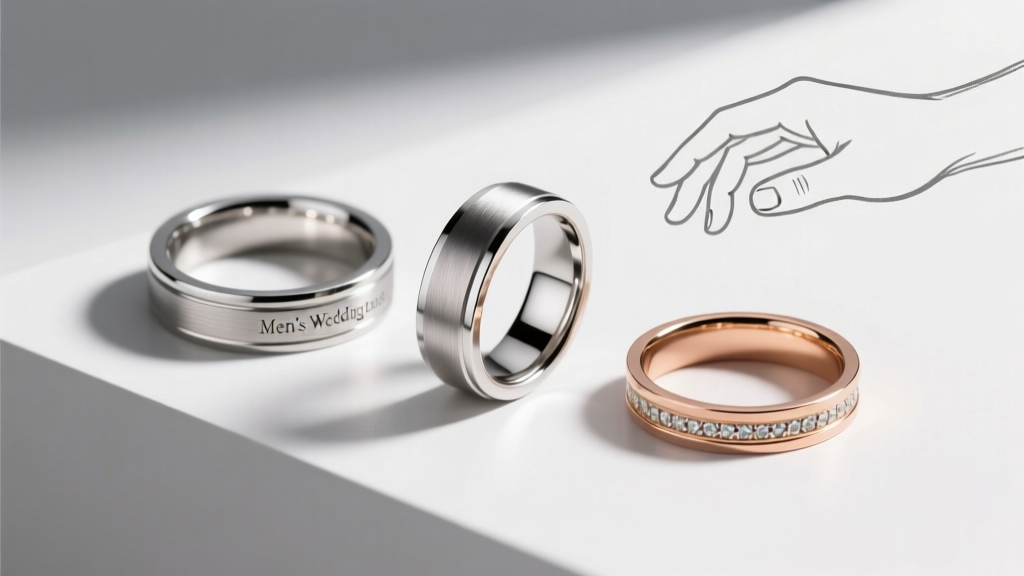 Men's Wedding Bands Materials and Styles Compared
 Lab Diamond vs Moissanite: Honest Comparison