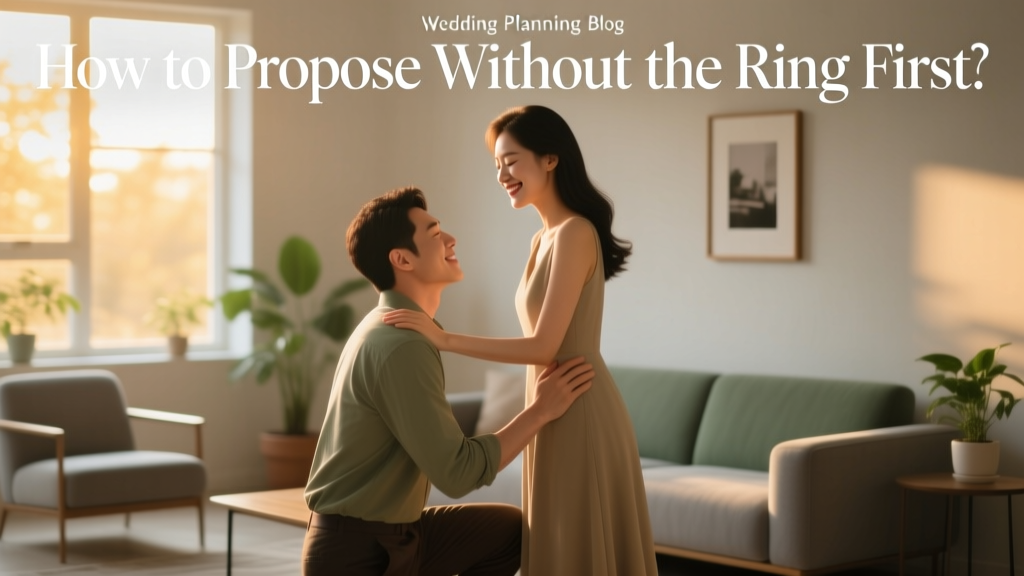
How to Propose Without the Ring First
Not every proposal starts with a diamond ring box. Maybe the ring isn’t ready yet, you want your partner to help choose the engagement ring, or you’re prioritizing a surprise moment over a surprise setting. Proposing without the ring first is more common than many couples realize—and when it’s done thoughtfully, it can feel even more personal.
The key is knowing what to give (or how to propose) in a way that still feels intentional, romantic, and “real,” while keeping your future engagement ring shopping smooth. As a jeweler would tell you: the proposal is the promise; the ring is the symbol you choose together. This guide covers practical alternatives, smart engagement ring planning, and how to avoid the common mistakes that cost time and money.
If you’re shopping for engagement rings and wedding bands but aren’t ready to buy the final ring today, you’ll find a clear path forward here—materials, styles, settings, budgeting, and the trends couples are choosing right now.
Why Couples Propose Before the Ring
Proposing without the ring can be a deliberate choice, not a compromise. Common reasons include:
- Choosing the engagement ring together to match style, lifestyle, and comfort.
- Custom design timelines (handmade settings, bespoke engraving, or sourcing a specific center stone) often take 3–8+ weeks.
- Stone sourcing for a specific diamond cut, a fancy color diamond, or an ethical gemstone (like a traceable sapphire) may take longer.
- Budget planning—you may prefer to allocate funds carefully rather than rush into a purchase.
- Size uncertainty when you don’t want to guess a ring size and risk resizing limits.
What to Propose With Instead (That Still Feels Special)
A “Placeholder” Engagement Ring
A temporary engagement ring is one of the most popular approaches. It gives you that classic ring moment, without locking you into the final engagement ring design.
Great placeholder choices:
- Sterling silver or gold vermeil with a simple solitaire look.
- Moissanite (brilliant, durable, and budget-friendly) in a classic round or oval cut.
- Minimalist bands in 10k gold or platinum with a small accent stone.
Style tip: Choose a simple setting like a 4-prong solitaire or low-profile bezel. These feel intentional and won’t compete with the future “forever” ring.
A Proposal Band (Then Upgrade to the Engagement Ring)
Instead of a temporary ring, some couples propose with a band—either a plain metal band or a slim diamond band—and later choose the engagement ring. This works especially well for partners who prefer understated jewelry or plan to wear a wedding band alone.
Popular band styles: thin pavé bands, half-eternity diamond bands, and minimalist knife-edge bands.
A Gemstone or Diamond Loose Stone
If you know your partner would love being involved in the design, proposing with the center stone can be incredibly meaningful.
What works best:
- Diamonds (round brilliant, oval, or emerald cuts are top choices).
- Sapphires (blue is timeless; peach, teal, and parti sapphires are trending).
- Moissanite as a center stone for a custom ring with standout sparkle.
Jeweler’s note: If you go this route, keep the stone secure in a presentation box and insure it quickly. Ask for a lab grading report (GIA for natural diamonds; IGI/GIA for many lab-grown diamonds; reputable lab reports for sapphires when available).
A Necklace, Bracelet, or Watch with Engagement Meaning
For partners who don’t wear rings daily (healthcare, trades, athletics), a piece of fine jewelry can be the perfect proposal token. A pendant that holds a small diamond, an initial charm, or a birthstone can later complement the engagement ring and wedding band set.
Just the Proposal—Plus a Planned Ring Appointment
Some of the most confident proposals are ring-free: you propose sincerely, then reveal you’ve booked a ring consultation or arranged a custom design session. The surprise is the moment, and the follow-through is built in.
Planning the Ring After the Proposal: A Jeweler’s Roadmap
Step 1: Set a Budget That Matches Your Priorities
Forget rigid “rules.” A better approach is to decide what matters most:
- Bigger center stone vs. higher color/clarity
- Platinum durability vs. 14k gold value
- Natural diamond vs. lab-grown diamond
- Custom craftsmanship vs. ready-to-ship settings
Value tip: Many couples get the best balance by choosing a lab-grown diamond in a timeless cut (round, oval, emerald) and putting savings toward a durable setting and matching wedding band.
Step 2: Choose the Right Gemstone (Diamonds and Beyond)
If you’re shopping engagement rings, diamonds are still the top choice—especially round brilliant cuts for maximum sparkle. But colored gemstones are a major current trend, and classics like sapphire never go out of style.
Diamond quality factors (the 4Cs):
- Cut: The biggest driver of brilliance. Prioritize “Excellent” or “Ideal” cut for round diamonds.
- Color: Near-colorless (G–I) often looks white once set in gold.
- Clarity: Eye-clean SI1–VS2 can offer strong value.
- Carat: Size is personal. Consider “spread” (how large it looks face-up) especially for oval and pear cuts.
Gemstone alternatives:
- Sapphire: Durable (9 on Mohs scale), available in many colors; excellent for daily wear.
- Ruby: Bold, classic, and durable; looks stunning in yellow gold.
- Emerald: Gorgeous but softer; best for careful wear and protective settings.
- Moissanite: Very durable with bright fire; ideal for larger looks on a budget.
Step 3: Pick a Metal That Fits Lifestyle and Style
Metal choice affects durability, color tone, and maintenance.
- 14k gold: Best everyday value; durable and widely available in yellow, white, and rose.
- 18k gold: Richer color, slightly softer; ideal for those who want a luxe feel.
- Platinum: Naturally white, dense, and durable; develops a patina over time that many love.
- White gold: Bright and modern, typically rhodium-plated; may need re-plating every 1–3 years depending on wear.
Trend watch: Yellow gold engagement rings remain a favorite for a warm, timeless look, while mixed-metal stacks (yellow gold ring + platinum wedding band, or vice versa) are increasingly popular.
Step 4: Choose a Setting That Protects the Stone
Setting style changes both look and longevity.
- Solitaire: Timeless and showcases the center stone; prong solitaires are classic.
- Bezel: Sleek, modern, very secure—excellent for active lifestyles.
- Halo: Adds sparkle and visual size; a popular glamour option.
- Three-stone: Symbolic and balanced; looks beautiful with round, oval, or emerald cuts.
- Pavé band: Extra sparkle, but requires more maintenance and careful wear.
Craftsmanship detail: Ask about prong thickness, gallery support, and how stones are set (hand-set vs. cast-in-place). Quality setting work helps prevent loose stones and snagging.
Practical Buying Tips for Ring Shopping After a Ring-Free Proposal
- Book a sizing at a jeweler. Accurate ring size prevents resizing stress—especially for eternity bands and intricate pavé.
- Bring lifestyle notes: work, hobbies, gloves, gym habits, and whether they want a low-profile ring.
- Compare diamond certificates and prioritize cut for sparkle.
- Ask about matching wedding bands early. Some engagement ring settings need a contoured band to sit flush.
- Confirm timelines for custom rings, engraving, and resizing before you commit.
Care and Maintenance: Keeping the Ring (and Placeholder) Looking New
Once you have the engagement ring (and even while using a proposal ring), care matters.
- Clean at home: Warm water, mild dish soap, and a soft toothbrush. Rinse well and pat dry with a lint-free cloth.
- Avoid harsh chemicals: Take rings off for bleach, chlorine, and strong cleaners.
- Schedule inspections: Every 6–12 months, check prongs and settings—especially for pavé and halo styles.
- Store separately: Diamonds can scratch other jewelry; use a soft pouch or separate compartments.
- Re-plate white gold: If the rhodium wears and the ring looks warmer, a jeweler can restore the bright finish.
Price Ranges and Value Tips (Placeholder to Forever Ring)
Budgets vary widely, but here are realistic ranges many couples see when shopping engagement rings and wedding bands:
- Placeholder ring: $50–$500 (sterling silver to simple gold or moissanite)
- Simple solitaire engagement ring: $1,500–$6,000+ (depends heavily on center stone and metal)
- Lab-grown diamond engagement ring: Often $2,000–$8,000+ for strong size/quality combinations
- Natural diamond engagement ring: Commonly $4,000–$15,000+ depending on the 4Cs
- Wedding bands: $300–$2,500+ (plain gold bands to diamond eternity styles)
Value tips that don’t sacrifice beauty:
- Choose G–I color and eye-clean clarity instead of paying for “perfect on paper.”
- Consider oval, pear, or marquise cuts for a larger face-up look per carat.
- Prioritize setting quality—a secure, well-made setting protects your investment.
- Ask about warranty, resizing, and maintenance packages.
Common Mistakes to Avoid
- Guessing ring size blindly: Resizing is sometimes limited (especially for eternity bands or certain designs).
- Buying a trendy style without considering daily wear: Ultra-high settings snag; delicate pavé can need more upkeep.
- Over-focusing on carat and ignoring cut: A well-cut smaller diamond can outshine a larger poorly cut stone.
- Skipping the matching band plan: Some engagement rings don’t stack easily with standard wedding bands.
- Not insuring a valuable stone: Particularly if you propose with a loose diamond or gemstone.
- Choosing a soft gemstone for an unprotected setting: Emeralds and opals need extra care and protective designs.
FAQ: Proposing Without the Ring First
Is it okay to propose without an engagement ring?
Yes. Many couples prefer to choose the engagement ring together. A ring-free proposal can feel confident and modern, as long as your partner will appreciate the approach.
What should I propose with if I don’t know their ring style?
A simple placeholder ring, a classic pendant, or a planned ring appointment works well. If you choose a placeholder, keep it minimal (solitaire or slender band) so it doesn’t conflict with their future preferences.
Can I propose with a lab-grown diamond and still make it feel traditional?
Absolutely. Lab-grown diamonds are chemically and visually the same as natural diamonds. A timeless setting like a platinum or 14k yellow gold solitaire keeps the look classic.
How long does it take to design a custom engagement ring after the proposal?
Many custom rings take 3–8 weeks depending on CAD design approvals, stone sourcing, and production. Add time if you want hand engraving, specialty settings, or rare gemstones.
What engagement ring settings are best for active lifestyles?
Low-profile solitaires, bezels, and sturdy prong settings with good gallery support are excellent. Avoid very high settings and extremely delicate micro-pavé if the ring will be worn during hands-on activities.
Should we shop for wedding bands at the same time as the engagement ring?
It’s smart to at least discuss wedding band pairing early. Even if you buy later, confirming stack fit (flush, contoured, or notched) prevents surprises.
Next Steps: Make the Proposal Memorable, Then Choose the Ring With Confidence
Proposing without the ring first lets you focus on the moment and choose the engagement ring with clarity afterward. Whether you use a placeholder ring, propose with a meaningful piece of jewelry, or plan a ring shopping date, the best approach is the one that fits your partner’s personality and your shared values.
When you’re ready to shop, prioritize a well-cut center stone, a durable metal like 14k gold or platinum, and a setting built for everyday life. From there, you can refine the details—diamond shape, prong style, band width, and wedding band pairing—into a set that feels truly yours.
For more expert guidance on engagement rings, wedding bands, gemstones, and care tips, explore more jewelry guides on weddingsift.com.
More Articles
 Wedding Ring Etiquette for Second Marriages
 Lab-Grown vs Natural Diamonds in 2026
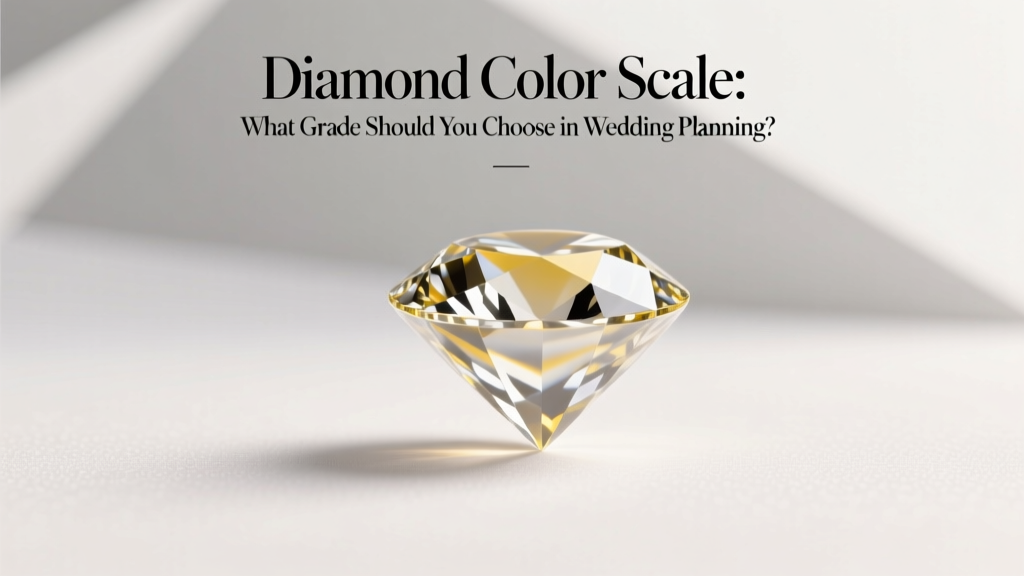 Diamond Color Scale What Grade Should You Choose
 Jewelry Explained for Party: What to Wear, Why It Works, and How to Avoid Common Mistakes
 A. Jaffe Men’s Wedding Bands: Fit, Finish & Value Guide
 Favors Common Mistakes
 How Do You Wear a Wedding Ring Set the Right Way
 Wedding Band vs Engagement Ring: Key Differences Explained
 How to Wear Wedding Ring Set: A Definitive Guide
 Vintage Engagement Rings A Complete Buying Guide