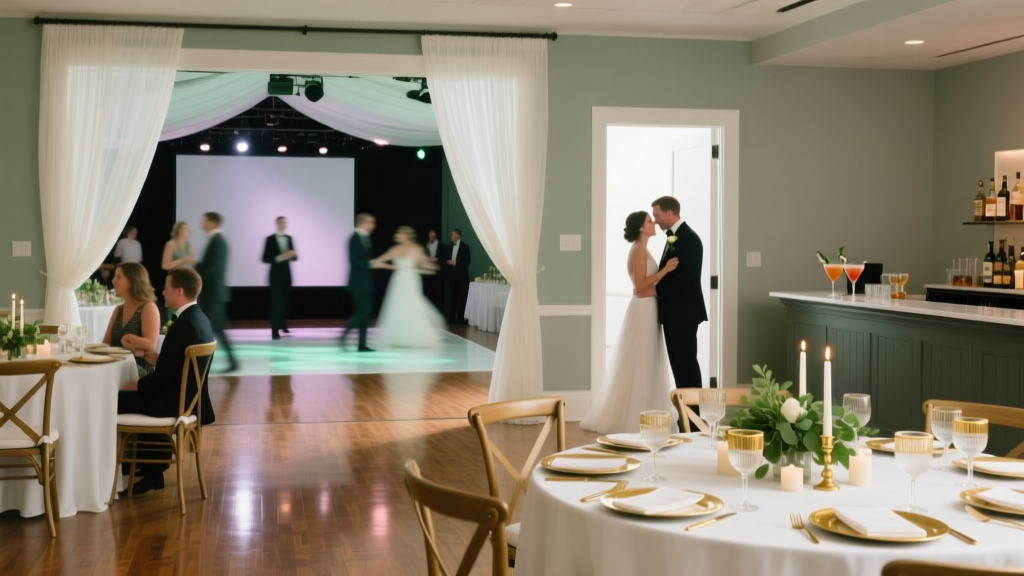
Wedding Planning How to Manage the Reception Flow
You can spend months picking the perfect venue, dress, menu, and playlist—then wonder why the reception still felt a little… off. Usually, it’s not the decor or the food. It’s the flow. When guests aren’t sure what’s happening next (or they’re waiting too long for it), the energy dips, timelines slip, and you end up feeling like you’re hosting instead of celebrating.
The good news: a smooth wedding reception flow isn’t about a rigid schedule or rushing through traditions. It’s about guiding people from one moment to the next in a way that feels effortless—so your guests are comfortable, your vendors can do their jobs, and you and your partner get to stay present.
This guide breaks down exactly how to plan your reception timeline, coordinate key events (grand entrance, first dance, toasts, dinner, cake cutting, and more), and avoid the most common reception pacing mistakes—while keeping your budget and your sanity intact.
What “Reception Flow” Really Means (And Why It Matters)
Your reception flow is the rhythm of the evening: when guests arrive, when they’re seated, when food is served, when formal moments happen, and when the party really takes off. Great flow makes everything feel intentional, even if your vibe is casual.
Signs your reception flow is working
- Guests always know where to be and what’s happening next.
- There’s something to do during natural “wait times” (photos, room flips, vendor resets).
- The dance floor fills up without needing to beg people to dance.
- Vendors aren’t scrambling because timing was unclear.
- You’re not answering logistics questions all night.
Reception flow is a guest experience tool
Think about your guests: they’re hungry, they’re excited to see you, and many are navigating an unfamiliar venue. A well-planned wedding reception timeline reduces confusion and keeps people comfortable—especially older guests, families with kids, and anyone who traveled.
Start With Your Non-Negotiables
Before you build a timeline, decide what matters most. Your reception doesn’t need every tradition. It needs the moments that feel like you.
Quick checklist: choose your “must-haves”
- Grand entrance (yes/no)
- First dance (private or public?)
- Parent dances (one, two, or skip)
- Toasts (who, how many, how long)
- Dinner style (plated, buffet, family-style, stations, food trucks)
- Cake cutting or alternative dessert moment
- Bouquet/garter traditions (keep, modernize, or skip)
- Special cultural moments (tea ceremony, horah, money dance, etc.)
- Last dance or send-off (sparkler, bubbles, confetti, none)
Pro tip: Keep formalities to a reasonable number. A reception with too many announcements can feel like a school assembly. Most couples are happiest with 3–5 “spotlight moments,” then lots of time for eating, mingling, and dancing.
Build Your Reception Timeline: A Step-by-Step Plan
Use this framework as your base, then customize based on your start time, dinner style, and priorities. The best reception timelines have breathing room.
Step 1: Confirm your fixed times
- Ceremony end time (and any travel time to the reception)
- Cocktail hour length (typically 60 minutes; 75–90 if you have lots of photos)
- Venue end time and any required “last call”
- Caterer service timing (when they need access, when dinner can be served)
- Sunset time (for golden hour portraits)
Step 2: Decide when dinner should be served
Guests notice food timing more than almost anything. If your ceremony ends at 5:00 pm, trying to serve dinner at 8:00 pm usually backfires—especially if cocktail hour is light on substantial bites.
General guideline: Aim to start dinner 60–90 minutes after the ceremony ends (including travel). If you’re doing a long cocktail hour, upgrade the hors d’oeuvres so people aren’t hungry.
Step 3: Place your formalities where they support the energy
You have two popular approaches:
Planner perspective: If your crowd loves to dance, protect the dance floor time. If your crowd loves to talk and mingle, don’t force a high-energy sequence too early.
Step 4: Add buffer time (this is where the magic happens)
Things take longer than they look on paper—bustling a dress, lining up a grand entrance, distributing champagne, welcoming guests to seats. Add buffers so the night stays relaxed.
- 5–10 minutes for guests to find seats after cocktail hour
- 10 minutes for vendor coordination before big moments (entrance, toasts)
- 10–15 minutes for plate clearing before speeches or dances
- 5–10 minutes for a private couple breather (yes, schedule it!)
Sample Reception Timelines (Realistic Scenarios)
These examples assume a single-location ceremony and reception. Adjust for travel if you have separate venues.
Scenario A: Classic 5:00 pm ceremony, plated dinner, dancing-focused crowd
- 5:00–5:30 Ceremony
- 5:30–6:30 Cocktail hour (couple photos + guests mingle)
- 6:30–6:40 Guests invited to reception space, find seats
- 6:40–6:50 Grand entrance + first dance
- 6:50–7:05 Welcome + toasts (keep to 2–3 speakers)
- 7:05–8:00 Plated dinner service
- 8:00–8:10 Parent dances (or one combined song)
- 8:10–9:30 Open dancing
- 9:30–9:40 Cake cutting + dessert opens
- 9:40–10:55 Dancing + late-night snack
- 10:55–11:00 Last dance / send-off
Scenario B: Earlier start, buffet dinner, family-heavy guest list
- 4:00–4:30 Ceremony
- 4:30–5:30 Cocktail hour (add kid-friendly snacks)
- 5:30–5:40 Guests seated
- 5:40–6:40 Buffet dinner (tables released by DJ/MC)
- 6:40–7:00 Toasts + thank-you remarks
- 7:00–7:10 First dance
- 7:10–8:30 Dancing
- 8:30–8:40 Dessert/cake cutting
- 8:40–9:30 Final dancing (consider a “family send-off” for kids)
Scenario C: Long Catholic ceremony + photos, later reception start
If your ceremony ends later and photos are longer, protect guests from a long hungry gap.
- Extend cocktail hour to 90 minutes
- Upgrade hors d’oeuvres to “heavy apps” (mini sliders, satay, flatbreads)
- Consider a lounge area so older guests can comfortably wait
- Keep formalities shorter so you still get strong dance time
How to Keep Guests Engaged During Transitions
Transitions are where reception flow falls apart: moving from cocktail hour to dinner, dinner to dancing, dancing to dessert, etc. Your job is to make those transitions clear and pleasant.
Tools that help (without feeling bossy)
- A strong MC (DJ, bandleader, or a confident friend). They should be warm, clear, and brief.
- Signage for seating, bars, guest book, photo booth, and restrooms.
- Music continuity so there’s never awkward silence.
- Lighting shifts: brighter for dinner, dimmer/colored for dancing. This subtly signals “phase changes.”
- Room layout: keep the dance floor visible, don’t hide the bar, and avoid bottlenecks near entrances.
Real-world example: the “Where do we sit?” moment
If you’re doing escort cards, assign someone (planner, coordinator, or a helpful cousin) to stand near the display for the first 15 minutes of seating. That one person answering “Which table is 12?” prevents a mini traffic jam and keeps your timeline on track.
Vendor Coordination: Who Controls the Flow?
You shouldn’t be running the reception. A smooth wedding reception requires a clear point person and a shared timeline.
Your flow team (and what they need)
- Planner/coordinator: runs the timeline, cues vendors, solves problems quietly.
- DJ/MC or bandleader: makes announcements, manages mic handoffs, keeps energy moving.
- Caterer: controls meal pacing, clears plates, coordinates special meals.
- Photographer/videographer: needs a heads-up before every major moment.
- Venue manager: enforces rules, end times, and room access.
Checklist: what to share 2–4 weeks before the wedding
- Reception timeline with exact times (or ranges with clear cues)
- List of formalities in order
- Names and pronunciation for introductions
- Toast speakers and their order
- Special songs (first dance, parent dances, last dance)
- Any surprises (fireworks, confetti poppers, choreographed dance)
- VIP and family photo considerations (mobility needs, early departures)
Budget note: If a full-service planner isn’t in your budget, a day-of coordinator (or month-of coordinator) is often the best money you can spend for reception flow. They prevent delays that can cost you overtime charges from the venue, DJ, photographer, and shuttle service.
Budget-Friendly Ways to Improve Reception Flow
Flow doesn’t require a bigger budget—it requires smart pacing and clear communication. A few upgrades can have an outsized impact, though.
High-impact, lower-cost improvements
- Upgrade cocktail hour food instead of adding a longer open bar.
- Limit speeches and set a time cap (2–3 minutes each).
- Do one parent dance or a shortened medley.
- Skip bouquet/garter if it doesn’t fit your crowd (more dance time, less awkwardness).
- Create a simple timeline sign (e.g., “Dinner at 7, Dessert at 9”) near the bar or seating area.
When to spend a little more
- Extra bar staff if your guest count is high (long drink lines kill momentum).
- Late-night snack if you’re partying past 10 pm (keeps energy up and helps with drinking).
- Lighting if your venue is large or your dance floor needs a “pull.”
Common Reception Flow Mistakes (And How to Avoid Them)
Mistake 1: Too much downtime between ceremony and dinner
Fix: Keep cocktail hour around 60 minutes unless you’re feeding guests more substantially. If photos will take longer, consider doing a first look or family photos before the ceremony.
Mistake 2: Toasts that drag on
Fix: Choose 2–3 speakers, ask for 2–3 minutes each, and have your DJ/MC hold the mic and guide transitions. If someone loves to talk, invite them to give a toast at the rehearsal dinner instead.
Mistake 3: Starting dancing too late
Fix: If dancing matters to you, aim to open the dance floor no later than 90 minutes after guests enter the reception space. Front-load formalities or keep them short.
Mistake 4: No clear “cues” for guests
Fix: Use gentle announcements, signage, and a consistent flow of background music. Guests shouldn’t have to guess what’s next.
Mistake 5: Ignoring the room layout
Fix: Place the bar away from the entrance to prevent bottlenecks. Keep the dance floor visible from dinner tables. Make sure there’s a clear path for servers.
Planner Pro Tips for a Reception That Feels Effortless
- Create a “golden hour pocket.” Schedule 15 minutes for sunset photos. Your coordinator can invite guests to the dance floor while you slip out.
- Eat something. Ask your caterer to plate a meal for you immediately, or have the coordinator bring you appetizers during cocktail hour. Hungry couples feel every delay more intensely.
- Build a last 30-minute strategy. Energy shifts late-night. Plan a late snack, a hype song set, then a final slow song or last dance.
- Tell vendors what matters most. If you care more about dancing than perfectly timed cake cutting, say so. The best teams prioritize with you.
- Have a weather backup that preserves flow. If you’re moving indoors, pre-assign who moves signage, who redirects guests, and where the ceremony-to-reception path goes.
FAQ: Managing Wedding Reception Flow
How long should a wedding reception be?
Most receptions run 4–5 hours. If you want lots of dancing, 5 hours gives breathing room. If your crowd is more low-key or your venue has an early end time, 3.5–4 hours can still feel complete with a tight plan.
Should we do toasts before or after dinner?
Before dinner works well if you’re keeping speeches short and want to protect dance time later. After dinner is great if you want guests to eat sooner and relax. If you’re unsure, do one welcome toast before dinner and keep the rest after plates are cleared.
What’s the ideal cocktail hour length?
Typically 60 minutes. If you need 90 minutes for photos or room transitions, plan “heavy appetizers,” add seating, and make sure there’s enough bar staffing so guests aren’t standing in long lines.
How do we keep the dance floor busy?
Open dancing earlier, keep formalities concise, and ask your DJ/band to start with universally loved songs. Lighting helps a lot, and placing the dance floor near the bar and main seating area makes it feel more inviting.
Do we need a coordinator to manage reception flow?
You don’t have to, but it’s one of the best ways to protect your experience. If a coordinator isn’t possible, assign a trusted, organized person (not in the wedding party) to cue vendors, watch the timeline, and handle questions.
How do we handle guests who leave early?
If you have many older guests or families with kids, consider scheduling key moments earlier (first dance, cake cutting, family photos). You can also do a “family send-off” around 9 pm while keeping the party going for everyone else.
Your Next Steps: Turn This Into a Timeline You Can Trust
To manage your wedding reception flow, you don’t need a minute-by-minute script—you need a realistic timeline, clear cues, and a point person to run it. Start by listing your must-have moments, then build around dinner timing and guest comfort. Add buffer time, share the timeline with vendors, and give yourselves permission to let the night unfold naturally.
If you want an easy win this week, do these three things:
- Draft a reception timeline with start/end times and your formalities in order.
- Decide who is MCing (and confirm they’re comfortable keeping things moving).
- Review food timing so guests aren’t waiting too long to eat.
You’re not just planning a party—you’re creating a night your people will remember for how it felt. Warm, fun, welcoming, and unmistakably you.
For more supportive, practical planning help, explore the wedding planning guides on weddingsift.com.
More Articles
 Wedding Without a License: Meaning, Legality & Options
 Wedding Registry Checklist: Where to Put It (2026)
 What to Write on a Wedding Shower Card (2026)
 Shave Arms for Wedding? 7 Factors Photographers See
 How to Hand Bead a Wedding Dress: Pro Guide (2026)
 Wedding Day Hair and Makeup Timeline Planning
 What to Wear to Wedding After Party (2026)
 Wedding Planner DIY: Save $3,200+ (2026)
 Should I Get Legally Married Before Wedding? (2026)
 Wedding RSVP Timeline: When to Send Invites (2026)