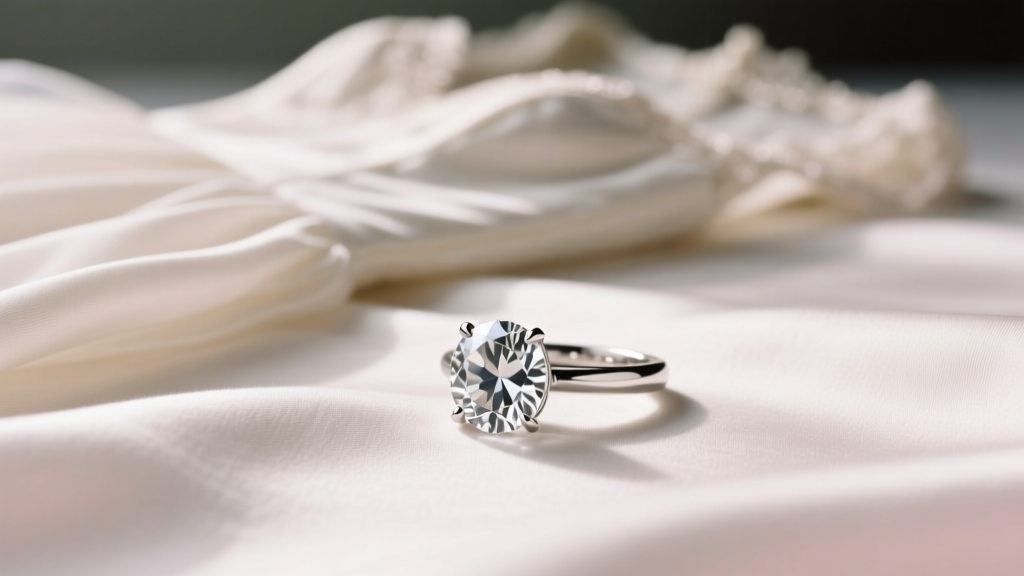
Old Mine Cut Diamonds Antique Charm
Old Mine cut diamonds have a way of stopping people mid-sentence. They don’t sparkle like a brand-new brilliant; they glow, flash, and flicker with a softer, candlelit personality that feels unmistakably antique. For couples shopping for an engagement ring or wedding band set, that character can be the difference between a ring that’s simply beautiful and one that feels like it already has a story.
These diamonds are often found in true antique engagement rings, but they’re also appearing in today’s custom designs and vintage-inspired bridal jewelry. If you’re drawn to heirloom style, warm romantic sparkle, and craftsmanship you can see without a loupe, an Old Mine cut may be the perfect center stone.
This guide breaks down what makes Old Mine cut diamonds special, how to judge quality, what settings and metals flatter them, and how to shop smart—whether you’re buying an authentic antique ring or commissioning a new ring with an antique-cut diamond.
What Is an Old Mine Cut Diamond?
The Old Mine cut is an early diamond cut that predates modern round brilliant cutting. It was most popular in the 1700s through the late 1800s, especially in Georgian and Victorian jewelry. Many Old Mine cut diamonds were shaped by hand, guided by the natural shape of the rough crystal rather than by strict symmetry targets.
Key identifying features
- Cushion-like outline: Often square to rectangular with rounded corners—think “pillowy” rather than perfectly round.
- High crown and deep pavilion: A taller top and deeper bottom compared with many modern cuts.
- Small table: The flat facet on top is typically smaller than what you’ll see on today’s diamonds.
- Open culet: Many Old Mine cuts have a visible culet (a small facet at the very bottom) that can look like a tiny dot in the center.
- Chunky facets: Broad, bold facet patterns that create larger flashes of light rather than a pinfire sparkle.
Old Mine Cut vs. Old European Cut vs. Modern Cushion
Shopping vintage diamonds can feel like learning a new language. Here’s how the most commonly confused cuts compare—especially helpful when browsing engagement rings online or looking at estate jewelry in person.
Old Mine Cut vs. Old European Cut
Old Mine cut diamonds are typically cushion-shaped and earlier in history. Old European cut diamonds came later (late 1800s to early 1900s) and are usually rounder, acting as a bridge toward the modern round brilliant. Both can have open culets and chunky facets, but Old European cuts tend to show more round symmetry and slightly different facet geometry.
Old Mine Cut vs. Modern Cushion Cut
Modern cushion cuts may share the cushion outline, but they’re usually cut for stronger, more predictable brilliance under electric lighting. Their facet patterns can be “crushed ice” (many tiny sparkles) or more structured. Old Mine cuts lean toward broader light flashes and a softer, romantic look—especially flattering in vintage-inspired engagement rings.
Why Couples Love Old Mine Cut Diamonds
1) Antique character you can see
The charm is real: slightly off-round outlines, hand-cut personality, and that signature chunky scintillation. If you want a ring that doesn’t look mass-produced, an Old Mine cut delivers.
2) A timeless match for vintage and modern settings
Old Mine cuts are at home in Victorian halos and Edwardian filigree, but they’re also trending in clean, modern solitaires. Right now, many couples are pairing antique-cut diamonds with minimalist settings—letting the stone’s personality be the focal point.
3) A meaningful, sustainable choice
Many Old Mine cut diamonds are reclaimed from antique jewelry or estate pieces. For couples prioritizing sustainability, an antique diamond can be a beautiful way to choose “new-to-you” without new mining.
Quality Factors: How to Evaluate an Old Mine Cut Diamond
Old cuts don’t always fit neatly into modern grading expectations. The goal isn’t perfect symmetry—it’s a diamond that looks lively, faces up beautifully, and fits your style.
Cut: focus on beauty over numbers
Lab reports may not provide a modern cut grade for antique cuts. Instead, look at:
- Face-up presence: Does it look bright in the center, or overly dark?
- Facet pattern: Do you like bold flashes (chunky sparkle) versus a more splintery look?
- Outline: Slight asymmetry can be charming; extreme unevenness may bother you long-term.
Color: warmth is part of the aesthetic
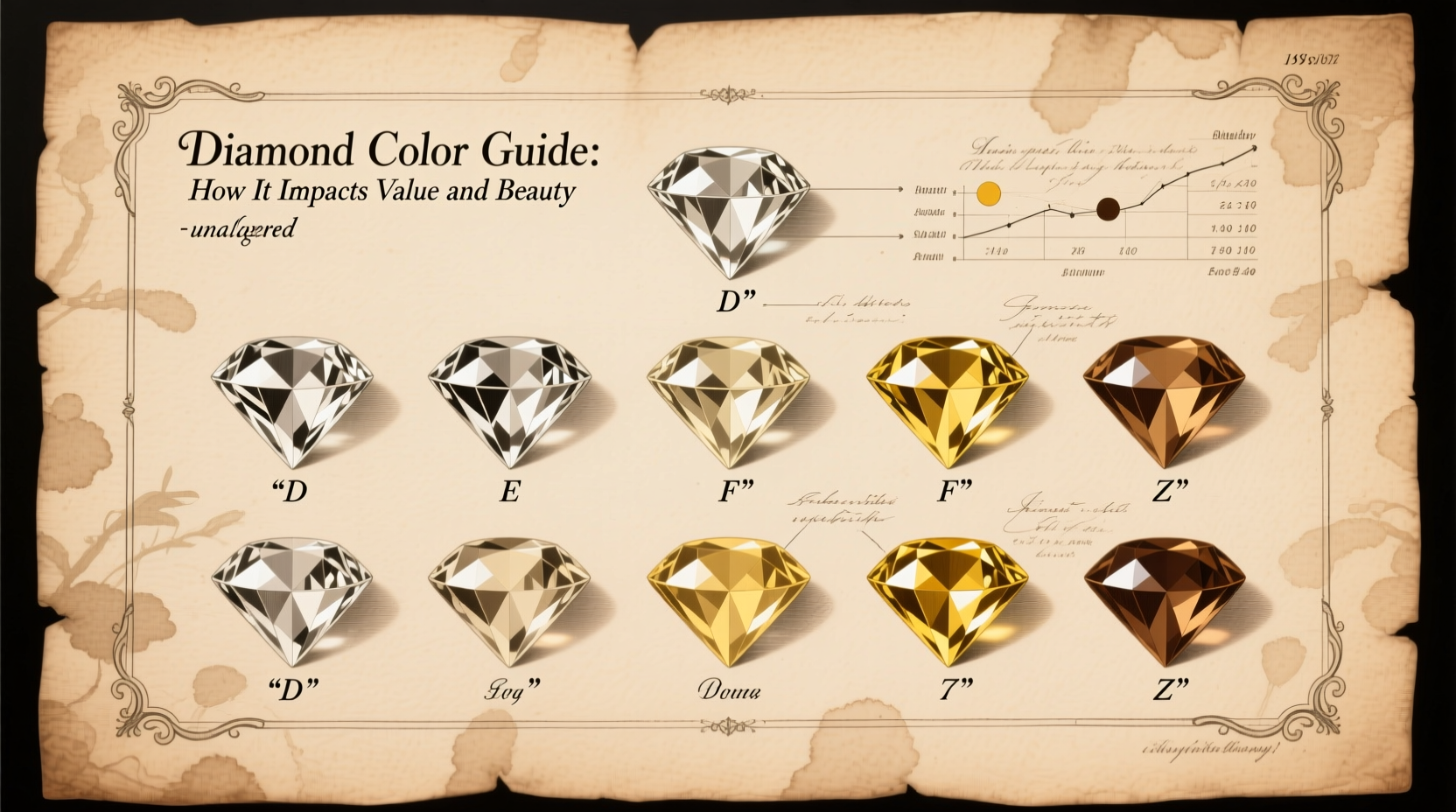
Old Mine cut diamonds often appear in the G–M range, sometimes warmer. Many couples love that soft ivory tone—especially in yellow gold engagement rings. If you prefer a whiter look, consider H–J in platinum or white gold, or choose a setting that visually brightens the stone.
Clarity: prioritize eye-clean and structural safety
Because many Old Mine cuts are deep, inclusions may hide well. Look for eye-clean stones and pay special attention to:
- Feathers near corners: Cushion outlines can be vulnerable if inclusions reach the surface at the edge.
- Chips and abrasions: Common in antique diamonds. Minor wear can be acceptable; major chips can affect durability and value.
Carat and “spread”: antique cuts can face up smaller
Due to deeper proportions, a 1.00 ct Old Mine cut may look smaller than a 1.00 ct modern cushion. If finger coverage matters, compare millimeter measurements, not just carat weight.
Best Metals and Settings for Old Mine Cut Engagement Rings
Metal choices
- Yellow gold (14k or 18k): A classic pairing that complements warmer color and enhances antique vibes.
- Platinum: Traditional for many antique-style rings; durable and naturally white, great for intricate milgrain and filigree.
- White gold: Similar look to platinum at a lower price; consider rhodium re-plating needs over time.
- Rose gold: Trend-forward and romantic; can emphasize warmth in the diamond, which many couples love.
Settings that flatter Old Mine cuts
- Bezel setting: Smooth, secure, modern—also great for protecting slightly worn antique girdles.
- Claw prongs or double prongs: Highlights the cushion shape and keeps the ring airy.
- Halo setting: A vintage-inspired halo with milgrain can amplify finger coverage and add period charm.
- Three-stone rings: Old Mine center with tapered baguettes or antique side stones balances timeless and contemporary style.
- Cathedral or low-profile solitaires: For everyday comfort; low profiles are trending for practical wear.
Buying Tips: How to Shop Confidently
Decide: authentic antique ring vs. new setting with an antique-cut diamond
An authentic antique engagement ring offers true history and craftsmanship. A new setting with an Old Mine cut diamond can give you antique charm with modern durability and customization (band width, prong style, setting height).
Ask for videos in multiple lighting conditions
Old Mine cuts can look dramatically different in daylight, office lighting, and warm evening light. Request:
- Close-up video rotating the diamond
- Indoor and outdoor clips
- Side profile photos to assess depth and culet
Confirm grading and authenticity
When available, ask for a report from a major lab (like GIA) or a reputable antique specialist’s appraisal. For estate pieces, confirm whether the diamond is original to the setting and whether any repairs or replacements were done.
Match the wedding band early
If you’re buying an engagement ring and wedding band set, check whether the engagement ring sits low, has a protruding gallery, or requires a contoured band. Many vintage-style rings pair best with a curved wedding band or a thin, plain gold band for a timeless look.
Care and Maintenance for Antique-Cut Diamonds
- Clean gently at home: Warm water, mild dish soap, and a soft toothbrush are usually safe for diamonds and solid gold/platinum settings.
- Avoid harsh chemicals: Chlorine and strong cleaners can damage metal alloys and dull finishes like milgrain.
- Check prongs twice a year: Antique settings and delicate claws need routine inspection.
- Store separately: Diamonds can scratch other jewelry—and each other—so use individual pouches or compartments.
- Professional servicing: For true antique rings, work with a jeweler experienced in vintage jewelry restoration to preserve details and integrity.
Price Range and Value Tips
Old Mine cut diamond pricing varies widely based on size, overall beauty, and whether you’re buying a loose stone or an antique engagement ring. As a general guide:
- Under 0.50 ct: Often found in antique clusters and delicate rings; can be a budget-friendly entry point for vintage style.
- 0.50–1.00 ct: A popular range for solitaire and halo engagement rings; pricing depends heavily on color/clarity and visual performance.
- 1.00–2.00+ ct: Rarer in well-matched, attractive cuts; premiums increase quickly, especially for bright, eye-clean stones.
Value tips that actually help
- Buy by millimeter size and look: Don’t overpay for carat weight that hides in depth.
- Consider a slightly warm color: J–M can look stunning in yellow gold and may offer better value than higher color grades.
- Choose a protective setting: A bezel or secure prongs can reduce the risk of damage and repair costs over time.
- Prioritize condition for daily wear: A diamond with significant chips may cost less, but repairs or recutting can erase the savings.
Common Mistakes to Avoid When Shopping Old Mine Cut Diamonds
- Expecting modern symmetry: Slight irregularity is normal; judge beauty and balance, not perfection.
- Ignoring the culet: Some love a visible culet; others see it as a “hole.” Make sure you like it before committing.
- Relying on carat weight alone: Always compare dimensions and face-up spread.
- Skipping an inspection on antique rings: Check for worn prongs, thin shanks, past sizing, and fragile filigree.
- Choosing the wrong band pairing: A straight band may not sit flush; plan your wedding band from the start.
FAQ: Old Mine Cut Diamonds
Are Old Mine cut diamonds good for everyday wear?
Yes, as long as the diamond is in good condition and set securely. Protective settings (bezel, sturdy prongs) and regular prong checks make a big difference—especially for genuine antique rings.
Do Old Mine cut diamonds sparkle less than modern diamonds?
They sparkle differently. Modern round brilliants are optimized for bright, fast scintillation. Old Mine cuts offer broader flashes and a softer glow that many people find more romantic and “vintage.”
Can I get an Old Mine cut diamond in a new engagement ring setting?
Absolutely. Many couples choose a loose Old Mine cut diamond and have it set into a new platinum or gold setting for added durability and a customized fit with a wedding band.
What setting looks best with an Old Mine cut?
Bezel, halo, and solitaire settings are all excellent. For a timeless look, a simple solitaire in yellow gold is hard to beat. For antique drama, a milgrain halo or engraved shank complements the stone’s history.
Are Old Mine cut diamonds more affordable?
Sometimes, especially if the stone is warmer in color or smaller in spread for its carat weight. Exceptional Old Mine cuts—bright, eye-clean, well-proportioned, and larger—can command premium prices due to rarity and demand.
How do I know if an Old Mine cut diamond is authentic?
Ask for a reputable lab report when possible, along with an independent appraisal for estate rings. Authentic stones typically show the classic cushion outline, small table, high crown, and (often) an open culet—plus natural hand-cut character.
Old Mine Cut Diamonds: A Confident Next Step
If you want an engagement ring that feels timeless rather than trendy—but still stands out in a sea of modern brilliants—an Old Mine cut diamond is a standout choice. Look for a stone that you genuinely love in real-life lighting, choose a secure setting in platinum or gold, and plan your wedding band pairing early so your bridal set feels intentional and comfortable.
For more expert guidance on engagement rings, wedding bands, diamond cuts, and vintage-inspired settings, explore more jewelry guides on weddingsift.com.
More Articles
 Can You Resize a Wedding Ring Bigger? (2026)
 How to Choose a Wedding Band With a Satin Finish
 Diamond Cut Guide Understanding Brilliance and Fire
 How to Clean Wedding Rings at Home Safely (2026)
 Oval Diamonds Illusion of Larger Size
 Theme vs Really: Jewelry Soldering Compared
 Lab-Grown vs Natural Diamonds (2026)
 How to Choose a Wedding Band With a Geometric Pattern
 How to Choose a Wedding Band With a Ceramic Material
 Diamond Color Scale: What G vs I Really Means