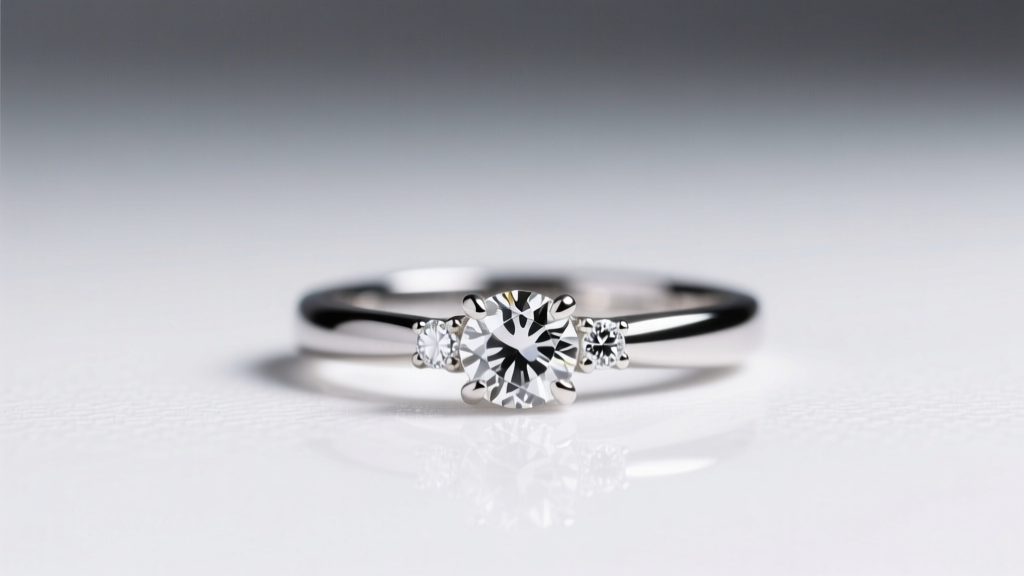
How to Choose an Engagement Ring With Side Stones
Side stones can transform an engagement ring from simple to unforgettable. Whether they’re a pair of tapered baguettes that make a center diamond look longer and cleaner, or a row of pavé diamonds that adds sparkle from every angle, side stones create presence on the hand—often without needing a much larger center stone.
They also add design complexity, which means your choice affects comfort, durability, maintenance, and budget more than many couples expect. A side-stone engagement ring can be a timeless classic (think three-stone rings) or right on trend (hidden halos and micro-pavé). The key is choosing a design that matches your lifestyle, your center stone, and the way you want the ring to look for decades.
This guide breaks down side-stone styles, the best metal and gemstone pairings, quality details to watch for, and practical buying tips so you can shop confidently—online or in-store.
What “Side Stones” Mean in Engagement Ring Design
Side stones are smaller gems set alongside a center stone. They can be placed on the shoulders of the ring, down the shank, or around the center in a halo-like frame. In most engagement rings with side stones, the main goal is to:
- Amplify sparkle (more facets reflecting light)
- Increase visual size (a wider face-up look on the finger)
- Add shape and structure (especially with baguettes or trapezoids)
- Create symbolism (past-present-future in three-stone rings)
Side stones can be diamonds or colored gemstones like sapphires. Diamonds are the most common for bridal jewelry because they’re hard, durable, and easy to match with most wedding bands.
Popular Side-Stone Engagement Ring Styles (Trends + Timeless Classics)
Three-Stone Rings (Classic and Meaningful)
A three-stone engagement ring features two side stones flanking the center stone. This is one of the most timeless engagement ring styles, and it works beautifully with round, oval, cushion, and emerald cuts.
- Best for: Couples who want a substantial look with strong symbolism
- Common side-stone shapes: Trapezoids, tapered baguettes, pears, half-moons
- Design tip: Keep side stones around 20–35% of the center stone’s width for balanced proportions
Pavé and Micro-Pavé Bands (Maximum Sparkle)
Pavé settings place small diamonds along the band, held by tiny beads of metal. Micro-pavé uses even smaller stones for a glittery “diamond ribbon” effect—still trending in modern bridal jewelry for its high shine.
- Best for: A glamorous look and strong finger coverage
- Watch for: Prong quality and secure setting work (more on that below)
- Pairing note: Consider a plain wedding band or a curved contour band to avoid abrasion between rings
Channel-Set Side Stones (Clean, Secure, and Practical)
Channel settings hold side stones between two metal walls, protecting the edges. This style is a favorite for active lifestyles and for couples who want sparkle without snagging.
- Best for: Everyday wear and a sleek profile
- Stone shapes: Round or princess cut diamonds are common; baguettes create an elegant, linear look
Baguette or Tapered Side Stones (Elegant and Architectural)
Baguettes and tapered baguettes are step-cut stones with long facets, offering a refined, mirror-like shine. They’re especially popular with emerald-cut and oval center stones because they enhance length and symmetry.
- Best for: A tailored, vintage-meets-modern vibe
- Trend angle: Clean lines and “quiet luxury” design aesthetics pair well with baguettes
Hidden Accents and “Secret” Side Stones (Subtle Trend)
Hidden halos, peekaboo diamonds, or small side accents tucked under the center setting are a current trend for couples who want detail without an overly sparkly top view.
- Best for: Minimalists who still want a special detail
- Bonus: Often lower cost than full pavé while still feeling custom
Choosing the Right Center Stone Shape for Side Stones
The center stone cut influences how side stones should be shaped and set for the most flattering look.
- Round brilliant: Pairs with almost anything; pavé bands and tapered baguettes are especially popular.
- Oval: Looks stunning with tapered baguettes, pears, or pavé; consider side stones to enhance width if you want a bolder footprint.
- Emerald cut: Best with step-cut side stones (baguettes, trapezoids) for a cohesive, elegant look.
- Princess cut: Works well with channel-set princess side stones or geometric trapezoids.
- Pear and marquise: Side stones can stabilize the look; consider a three-stone with pears or tapered baguettes for balance.
Proportion tip: Side stones should support the center, not compete with it. If the side stones are too large or too sparkly relative to the center, the ring can look visually “split” rather than cohesive.
Gemstone Choices: Diamonds vs. Colored Side Stones
Diamond Side Stones (Most Popular for Bridal)
Diamonds are ideal for side stones because they’re durable (Mohs 10) and match nearly every center stone. For a cohesive look, aim for side stones within 1–2 color grades of your center diamond.
Clarity guidance: Many side stones are small enough that inclusions are hard to see. SI1–VS2 is often a smart value range for pavé and smaller accents.
Sapphire Side Stones (A Timeless Pop of Color)
Sapphires (Mohs 9) are a classic alternative, especially in vintage-inspired engagement rings. Blue sapphire side stones can make a white diamond center look brighter and whiter by contrast.
Style note: Color accents are trending, but sapphire side stones are also historically timeless—especially in three-stone and Art Deco-inspired designs.
Gemstones to Be Cautious With for Side Stones
Some gems can be too soft for daily-wear side stones, especially in exposed settings:
- Opal, pearl: Not recommended for side stones in engagement rings due to softness and sensitivity.
- Emerald: Beautiful but often included and more prone to chipping; best in protective settings and for careful wearers.
Metal Matters: Platinum vs. Gold for Side-Stone Rings
Platinum (Durable, Secure for Pavé)
Platinum is dense and naturally white, and it’s prized for holding small stones securely—especially micro-pavé. It develops a patina over time rather than wearing away quickly.
- Best for: Pavé, intricate settings, long-term durability
- Consider: Higher cost and slightly heavier feel
14K vs. 18K Gold (Strength vs. Richness)
Gold is measured in karats. For engagement rings with side stones:
- 14K gold: More durable due to higher alloy content; a popular choice for everyday wear and pavé bands.
- 18K gold: Richer color and higher gold content; slightly softer, so craftsmanship matters more with tiny prongs.
White gold: Usually rhodium-plated for a bright white finish; it may need re-plating over time. Yellow or rose gold: Warm tones that can highlight diamonds beautifully and are a strong trend for modern bridal sets.
Quality Factors to Check (Craftsmanship Makes the Difference)
Side Stone Matching: Color, Cut, and Size Consistency
Well-matched side stones look seamless. Ask about:
- Color matching (especially in pavé rows)
- Cut quality for sparkle (even tiny diamonds should be well-cut)
- Calibration (stones precisely sized to the setting)
Setting Security: Prongs, Beads, and Channels
Small stones rely on metalwork. Look for:
- Even, smooth prongs/beads with no sharp edges
- Stones seated level (not tilted)
- Channel walls that are sturdy and symmetrical
Ring Comfort and Wedding Band Fit
Side-stone rings often sit taller or have wider shoulders. Try to confirm:
- Profile height (higher settings snag more easily)
- Flush fit with a wedding band (you may need a contour band)
- Comfort fit interior for daily wear
Price Range and Value Tips for Side-Stone Engagement Rings
Side stones add cost through both diamonds and labor. Typical factors include total carat weight, stone quality, metal type, and complexity of setting work.
- Budget-friendly (approx. $1,500–$3,500): 14K gold, petite pavé or small accent stones, modest center stone.
- Mid-range (approx. $3,500–$8,000): Higher quality pavé, three-stone designs, platinum options, larger center diamond.
- Premium (approx. $8,000+): Designer-level craftsmanship, large center stone, extensive pavé, custom matched side stones, platinum and hand-finishing.
Value tip: If you want more sparkle without paying for a much larger center diamond, side stones can be a smart upgrade. Alternatively, choose a slightly lower color grade center diamond (still eye-clean) and invest in excellent setting craftsmanship and a secure side-stone design.
Practical Buying Tips (Online or In-Store)
- Ask for close-up videos: Pavé and prong work should look even and tidy from multiple angles.
- Confirm side stone specs: Total carat weight, average color/clarity, and whether stones are natural or lab-grown diamonds.
- Check the warranty and maintenance policy: Side-stone rings benefit from routine inspections and occasional tightening.
- Plan the bridal set: Choose the wedding band at the same time if possible, especially for pavé or three-stone rings that may need a curved band.
- Consider lifestyle: If you work with your hands or wear gloves often, channel-set or sturdier prong designs are usually a better long-term choice than ultra-fine micro-pavé.
Care and Maintenance for Engagement Rings With Side Stones
Side stones can collect lotion and soap quickly, dulling sparkle. A simple care routine keeps your engagement ring and wedding band looking crisp.
- At-home cleaning: Warm water, mild dish soap, and a soft toothbrush. Rinse well and dry with a lint-free cloth.
- Avoid harsh chemicals: Chlorine and strong cleaners can damage metal alloys and loosen settings over time.
- Store separately: Pavé diamonds can scratch other jewelry; use a soft pouch or a separate compartment.
- Professional inspections: Have prongs and side stones checked every 6–12 months, especially for pavé and shared-prong designs.
Common Mistakes to Avoid When Shopping
- Choosing ultra-delicate micro-pavé for a very active lifestyle: It can be done, but prioritize thicker prongs and a reputable jeweler.
- Ignoring wedding band compatibility: Some three-stone and cathedral settings won’t allow a straight band to sit flush.
- Overpaying for side stone clarity: Tiny diamonds don’t need flawless clarity; focus on secure setting and matched appearance.
- Mismatched metal and maintenance expectations: White gold may require rhodium upkeep; platinum develops patina—neither is “bad,” but know what you prefer.
- Not checking craftsmanship up close: Side stones highlight setting quality; uneven pavé is a red flag.
FAQ: Engagement Rings With Side Stones
Do side stones make the center diamond look bigger?
Yes. Side stones increase the overall sparkle and width of the ring’s top view, which makes the center stone appear larger and more prominent—especially with tapered baguettes or pavé shoulders that lead the eye inward.
Are pavé side stones secure enough for everyday wear?
They can be, if the ring is well-made. Look for sturdy bead or shared-prong work, a slightly thicker band, and a jeweler that offers routine inspections. Micro-pavé is more delicate than channel-set styles.
What’s the best metal for side-stone engagement rings?
Platinum is excellent for security and long-term wear, especially for pavé. 14K gold is also a strong choice for durability and value. 18K gold is beautiful but slightly softer, so craftsmanship matters more.
Can I use colored gemstones as side stones?
Yes—sapphires are the most popular and durable option. If you choose softer stones (like emeralds), use protective settings and plan for more careful wear and maintenance.
How do I match a wedding band to a side-stone engagement ring?
Start by checking whether a straight band will sit flush. Three-stone and cathedral settings often need a contour or curved wedding band. If your engagement ring has pavé, consider whether you want a matching pavé band or a simpler band to reduce wear between rings.
Next Steps: Choose a Side-Stone Design That Fits Your Life and Your Style
The best engagement ring with side stones is the one that balances beauty with real-life wear. If you love timeless elegance, a three-stone ring with tapered baguettes or trapezoids is hard to beat. If you want modern sparkle, pavé remains a top trend—just prioritize secure craftsmanship and a practical band width. For couples who want something distinctive but lasting, sapphire side stones or hidden accents add personality without feeling trendy in a way that dates quickly.
When you’re ready, explore more engagement ring and wedding band guides on weddingsift.com to compare settings, metals, diamond shapes, and bridal set pairings with confidence.
More Articles
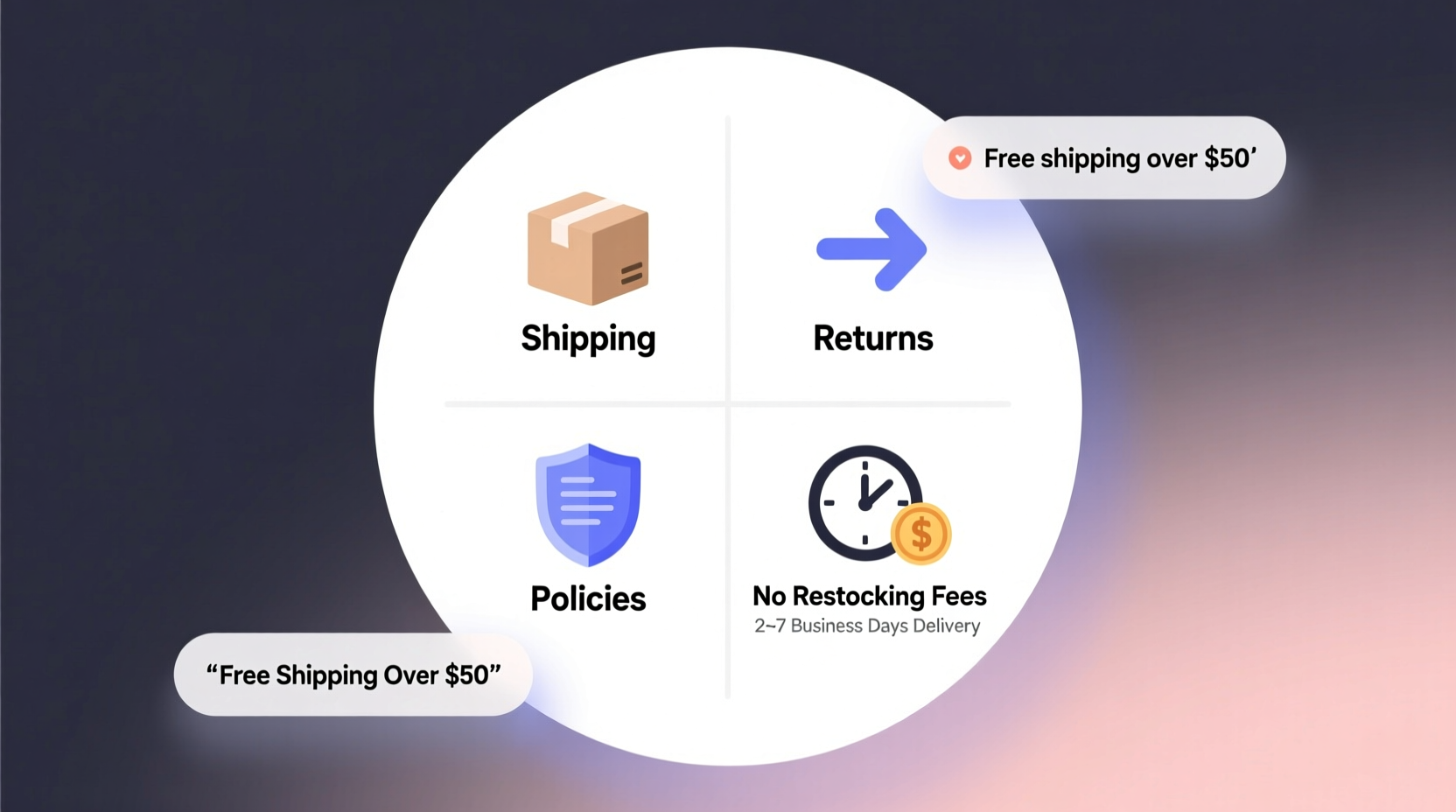 Ring Returns Made Simple: No Fees, No Hassle
 Wedding Band Wearing Rules & Exceptions (2026)
 Cheap vs Premium Wedding Venues Compared
 How Much Does a Men's Wedding Ring Weigh? (2026)
 A. Jaffe Wedding Bands in Fayetteville, AR (2026)
 Wedding Band Spinning Fixes: 7 Non-Permanent Solutions
 Paris Hilton's Ring: The 20-Carat Truth
 How to Choose a Wedding Band With an Inlaid Design
 Stop Wedding Rings from Spinning: 7 Non-Damaging Fixes
 Wedding Band or Engagement Ring First? (2026)