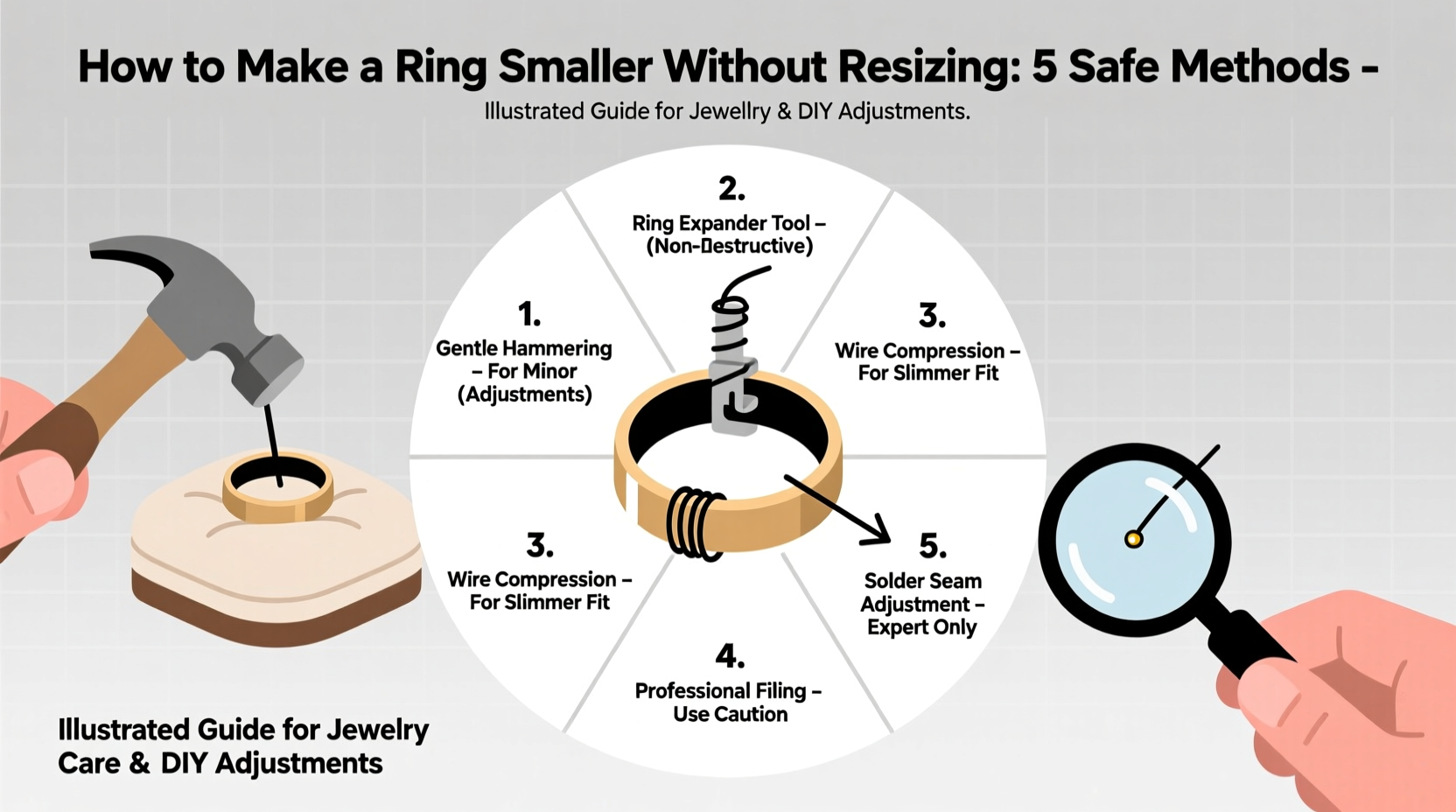
How to Make a Ring Smaller Without Resizing (2026)
If you're wondering how to make a ring smaller without resizing, you're not alone. Many people seek non-permanent, cost-effective ways to achieve a snug fit—especially for heirloom rings, delicate settings, or when waiting for professional service. The good news is that several proven methods allow you to adjust your ring's fit safely and reversibly. From sizing beads and spring inserts to adhesive wraps and adjustable ring guards, this guide covers five practical techniques to tighten loose rings without altering the band permanently.
Why You Might Need to Make a Ring Smaller Without Resizing
A ring that slips off too easily isn’t just inconvenient—it can lead to loss, damage, or discomfort during daily wear. While resizing is often recommended by jewelers, it’s not always ideal. Some rings shouldn’t be resized due to design complexity, material brittleness (like vintage pieces), or embedded stones along the band. Others may only need a temporary fix—for example, during pregnancy fluctuations, seasonal finger shrinkage in cold weather, or while traveling.
Additionally, resizing alters the ring permanently. For family heirlooms or antique jewelry, irreversible changes may reduce sentimental or resale value. That’s why many wearers explore alternatives to traditional resizing. These methods are also budget-friendly compared to professional metalwork, which can cost $30–$150 depending on the jeweler and metal type.
Method 1: Sizing Beads – Discreet and Durable
One of the most trusted non-resizing solutions is adding sizing beads. This technique involves soldering small metal beads inside the underside of the ring shank to reduce interior diameter. Typically made from the same metal as the ring (e.g., gold, platinum), these beads are nearly invisible when worn.
Pros:
- Minimal visibility—placed on the inner rim
- Durable and long-lasting
- Preserves original design
- Can adjust fit by ¼ to ½ size
Cons:
- Requires a skilled jeweler (not DIY)
- Slight reduction in comfort if beads are too large
- Not suitable for very wide bands
Sizing beads work best for engagement rings with smooth interiors and are commonly used for rings that spin or slide frequently. They’re especially effective for narrow-to-medium bands where even a small internal protrusion makes a noticeable difference.
Method 2: Spring Inserts (Also Known as Ring Grips)
Spring inserts, sometimes called ring grips or tension inserts, are flexible metal wires inserted into the base of the ring. Made from springy alloys like titanium or stainless steel, they press outward against the inner walls of the band, creating gentle pressure that holds the ring securely on your finger.
Advantages:
- No permanent alteration to the ring
- Adjustable tension over time
- Works well for rings with intricate designs
- Can compensate for up to half a size
Drawbacks:
- May require periodic adjustment by a jeweler
- Can wear out after several years
- Less common than other methods—fewer jewelers offer them
Unlike sizing beads, spring inserts don’t take up space but instead provide dynamic resistance. This makes them ideal for people whose finger size fluctuates seasonally. However, because installation requires precision, always consult a certified jeweler familiar with this method.
Method 3: Adhesive Ring Size Adjusters
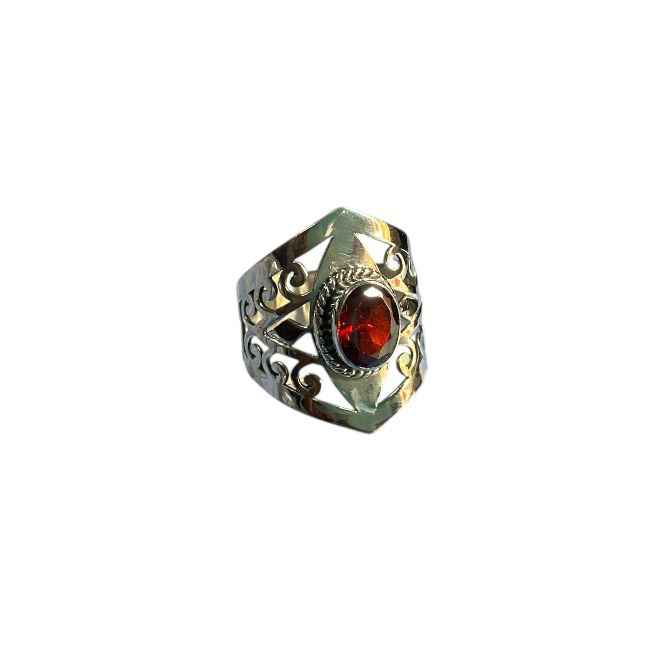
For a completely reversible and affordable solution, consider adhesive ring size adjusters. These are thin strips or dots made of medical-grade silicone or polymer that stick to the inside of the ring.
Available in clear or metallic finishes, they blend with the ring’s interior and add just enough thickness to improve fit. Brands like Ring Menders and EZ-Size offer kits with multiple sizes and shapes.
Benefits:
- Fully removable and repositionable
- Inexpensive (under $10)
- Easy to apply at home
- Ideal for temporary use
Limits:
- May degrade over time with frequent handwashing
- Not suitable for high-moisture environments (e.g., swimming)
- Less durable than permanent options
To apply: clean the inside of the ring thoroughly with alcohol, let dry, then press the adjuster firmly into place. Replace every few months or when peeling occurs. This method is perfect for travelers or those testing whether a resize is truly needed.
Method 4: Silicone or Metal Ring Guards (Ring Snuggies)
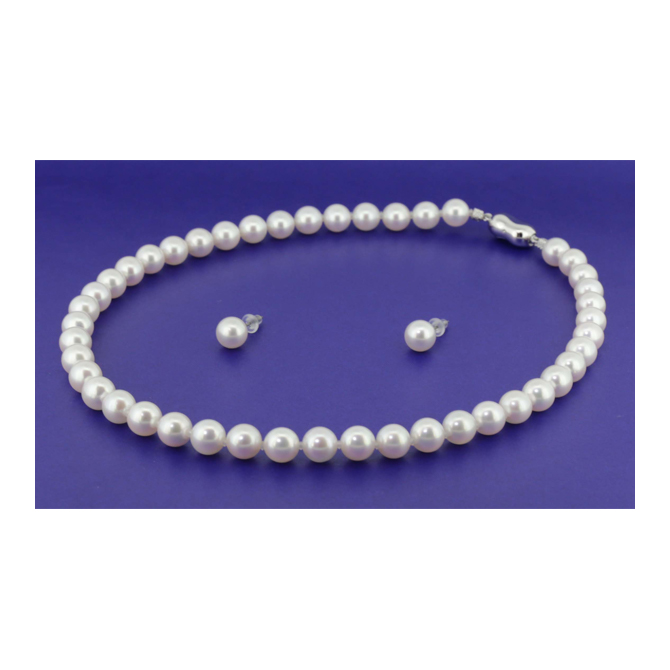
Another popular option is using a ring guard, also known as a ring snuggie or ring clip. These are separate accessories worn above or below your main ring to prevent slippage.
They come in two forms:
- Silicone ring guards: Stretchy, soft bands that grip the finger and hold the ring in place. Often used with wedding bands.
- Metal ring guards: Rigid clips that attach to the side of the ring or wrap partially around the shank.
Why choose a ring guard?
- No modification to the original ring
- Instant fit correction
- Available in various styles and metals
- Can double as fashion accents
However, some users find silicone guards less elegant or prone to tearing. Metal versions are more durable but may alter the aesthetic of delicate rings. Always ensure the guard matches your ring’s width and curvature for optimal performance.
Method 5: Wrap-On Solutions – Wire and Thread Techniques
A lesser-known but creative approach is wrapping the shank with thin wire or thread. While not recommended for valuable or frequently worn rings, this DIY trick works in emergencies.
Using fine gauge silver or gold-filled wire, you can tightly wind it around the base of the ring to reduce its effective size. Alternatively, nylon thread coated with clear nail polish can create a temporary ridge.
Important notes:
- This method risks scratching soft metals or gemstone settings
- May trap dirt and moisture underneath
- Not suitable for water exposure or heavy activity
Use this only as a last resort and remove carefully to avoid damaging the ring. It’s best suited for costume jewelry or short-term fixes before seeing a professional.
When Should You Avoid Non-Resizing Methods?
While these alternatives are useful, they aren’t right for every situation. Consider avoiding them if:
- The ring is more than one full size too large
- You plan to wear it daily for years
- The band has structural weaknesses or cracks
- You have sensitive skin and react to adhesives or certain metals
In such cases, professional resizing remains the safest and most effective solution. Also, rings with eternity settings (stones all around) usually cannot be resized without risking stone displacement.
Regional Differences and Jewelry Standards
Jewelry sizing standards vary globally. In the U.S., ring sizes range from 3 to 13, while the UK uses letters (A to Z), and Europe uses circumference in millimeters. A size adjustment that works in one country might not translate directly elsewhere.
Moreover, climate affects finger size. People in colder regions often experience smaller fingers in winter, making temporary fixes more common. In contrast, humid climates may cause swelling, requiring looser fits. Always measure your finger at the end of the day when it’s largest for accurate sizing.
Common Misconceptions About Making Rings Smaller
Misconception 1: All rings can be resized easily.
Truth: Materials like tungsten, ceramic, or titanium cannot be resized due to their hardness.
Misconception 2: Tape or glue is a safe long-term fix.
Truth: Household adhesives can corrode metals or irritate skin. Only use jewelry-safe products.
Misconception 3: Any jeweler can install spring inserts.
Truth: Not all jewelers are trained in advanced fitting techniques. Ask about experience before proceeding.
How to Verify Which Method Is Right for Your Ring
Before choosing any method, assess your ring’s characteristics:
| Factor | Consideration |
|---|---|
| Material | Gold, silver, platinum—most can accept inserts; tungsten/ceramic cannot. |
| Design | Full eternity bands limit options; solitaires offer more flexibility. |
| Budget | Adhesive adjusters cost under $10; sizing beads may cost $50–$100. |
| Usage | Daily wear favors durable solutions; occasional wear allows temporary fixes. |
| Sentimental Value | Heirlooms benefit from reversible, non-invasive methods. |
Consult a reputable jeweler for a professional opinion. Bring your ring in for inspection and discuss your lifestyle needs—whether you type often, swim, or do manual labor—to determine the safest fit solution.
Final Tips for Maintaining Ring Fit Over Time
Finger size naturally changes with age, weight, temperature, and health conditions like arthritis. To maintain proper fit:
- Weigh yourself monthly if dieting—weight loss often leads to smaller fingers.
- Avoid wearing rings in hot tubs or saunas where heat expands skin temporarily.
- Have your ring professionally cleaned and inspected annually.
- Keep a spare ring adjuster on hand for travel or seasonal changes.
Frequently Asked Questions
Can I make a ring smaller at home without tools?
Yes, using adhesive adjusters or silicone guards requires no tools and can be applied at home safely.
Do ring sizing beads damage the ring?
No, when installed correctly by a professional, sizing beads are safe and do not weaken the band.
How much can you reduce a ring without resizing?
Most non-resizing methods adjust fit by ¼ to ½ size. Larger adjustments typically require resizing.
Are spring inserts permanent?
They are semi-permanent—installed by a jeweler but can be removed later without major damage.
What’s the cheapest way to make a ring smaller?
Adhesive ring size adjusters are the most affordable, costing less than $10 and available online.
More Articles
 Wedding Jewelry Timeline: When to Buy Each Piece
 Ring Sizing Tips You Can Do at Home Accurately
 How to Wear a 2-Piece Wedding Ring (2026)
 Eternity Bands Symbolism and Styling Tips
 How to Choose a Wedding Band With a Polished Finish
 Do People Wear Wedding Rings on the Right Hand? The Truth
 How to Choose an Engagement Ring With a Pear-Shaped Stone
 Gold Ring Weight: How Many Grams? (2026)
 Wedding Band vs Engagement Ring: Key Differences Explained
 26th Wedding Anniversary: Traditional and Modern Gift Guide